
Vandaag of morgen in huis

Kwaliteit gegarandeerd

Welkomstaanbiedingen ontgrendelen: GRATIS bezorging | Tot 80% korting | Gratis 30 dagen JoyPlus-proefperiode
Download de app
A facial sunscreen SPF 50 might seem straightforward to choose on paper. Yet there are clear differences in filters, texture, how it feels on the skin, water resistance, and ease of use. If you only look at a high SPF or a nice-looking bottle, you could end up with a cream that stings around the eyes, leaves a white cast, or feels too heavy under make-up.
As a Joybuy Product Recommendation Officer, I filter product information based on verifiable features. Below, you’ll discover which characteristics truly matter when it comes to sunscreen for the face, and which options suit different usage scenarios.
SPF mainly refers to protection against UVB radiation. For daily sun protection, UVA protection is also important. So check whether the product states it offers broad-spectrum UVA and UVB protection. On Korean sunscreens, you’ll often see the PA rating, such as PA+++ or PA++++. European products also frequently use the UVA symbol on the packaging.
A product with SPF 30 may be sufficient for some situations, but if you’re often outdoors, prone to developing pigmentation, or want a higher safety margin, you’ll usually look for an SPF 50 sunscreen.
A gel, serum, or fluid can be pleasant for daily use, but that says nothing about performance during swimming or sports. For intensive outdoor use, explicitly look for the term water-resistant. If this isn’t stated in the product information, don’t assume the protection remains intact after swimming or heavy sweating.
The Anessa Perfect UV Sunscreen Skincare Milk is described in the product description as lightweight and water-resistant. Other facial products, such as Anua Heartleaf Silky Moisture Suncream, explicitly state that the product is not water-resistant.
Niacinamide, hyaluronic acid, aloe vera, rice extract, or centella can make a formula appealing. However, they don’t solely determine how the sunscreen works on your skin. According to brands’ own product information, these ingredients can contribute to hydration or a comfortable skin feel, but that’s no guarantee for preventing pigmentation, skin ageing, or irritation.
Also watch out for potential sensitivities. Fragrance, alcohol denat., and certain UV filters may be less suitable for some users. Always test a new product on a small patch of skin first, and stop if you experience persistent redness, itching, or a burning sensation.
For daily use on the face and neck, a product with SPF 50 or SPF 50+ is a practical choice. Apply the sunscreen as the last step of your morning routine, before sun exposure. Applying too thin a layer significantly reduces protection.
Reapply after swimming, sports, sweating, or towel-drying. For prolonged exposure, the product information from several brands advises reapplying every two hours. Sunscreen does not replace seeking shade, wearing clothing, or avoiding strong midday sun.
Using the right amount and reapplying regularly are at least as important as the choice between SPF 30 and SPF 50.
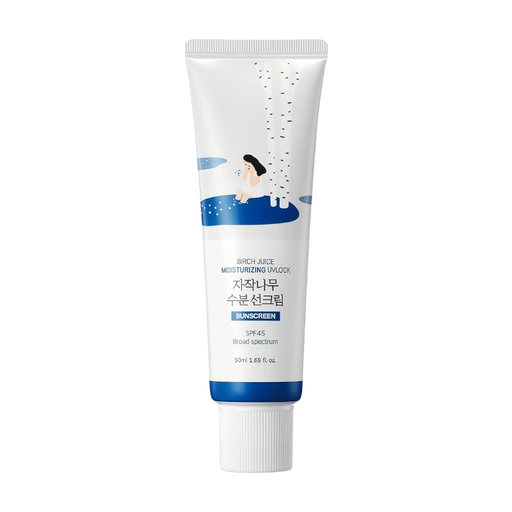
Why this fits the profile: A daily SPF 50 formula with a 50 ml volume and an ingredients list that includes glycerine, niacinamide, and several forms of hyaluronic acid.
The product information lists multiple UV filters and advises reapplying after swimming, sweating, or towel-drying. Do not expect water resistance unless it is explicitly stated.
SPF 50, 50 ml volume, and hydrating ingredients such as glycerine and sodium hyaluronate.
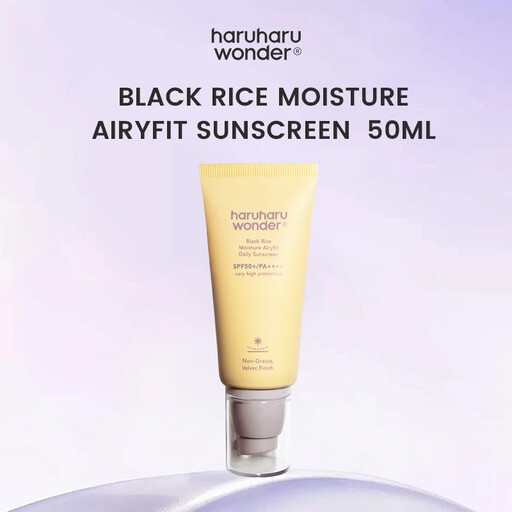
Why this fits the profile: This Korean sunscreen combines SPF50+ with PA++++ and is positioned in the product description as a lightweight formula for daily use.
The description mentions an airy-fit texture with no white cast. If you have sensitive skin, always check the most recent INCI list on the packaging.
SPF50+, PA++++, 50 ml volume, and a product description that mentions fast absorption and a non-greasy finish.

Why this fits the profile: The compact size is practical for a bag or travel. According to the product description, the milk formula is lightweight and water-resistant.
The product description states water resistance, but reapplication is still necessary after swimming or heavy sweating. The 12 ml volume is less suitable as your only supply for daily use.
SPF50+, water-resistant product claim, and a portable 12 ml size.
We’ve put together a full, up-to-date list of products that fully meet these strict selection criteria and comply with current European safety regulations.
Not everyone has the same sun exposure. For daily commuting, SPF 30 can offer sufficient protection if you apply the product generously and regularly. SPF 50 provides a higher protection factor and is a practical choice for lots of outdoor activities, fair skin, or when you want extra attention to UVA and UVB protection.
Check the expiry date and batch number on the packaging. Store sunscreen in a cool, dry place, away from direct sunlight and high temperatures. A change in smell, colour, or texture could be a reason not to use the product any longer. Always follow the manufacturer’s usage instructions.
Apply a lightweight sunscreen in sufficient, even layers and let each layer sink in briefly. A chemical or hybrid formula often leaves less visible cast than a product with lots of mineral filters. With a mineral sunscreen containing zinc oxide, a slight white cast can occur according to product information. That effect varies by skin type and skin tone.
