
Vandaag of morgen in huis

Kwaliteit gegarandeerd

Welkomstaanbiedingen ontgrendelen: GRATIS bezorging | Tot 80% korting | Gratis 30 dagen JoyPlus-proefperiode
Download de app
Buying a facial sunscreen SPF 50 sounds simple. Yet many shoppers end up with a product that feels too greasy, stings around the eyes or leaves a white cast. Marketing claims like “invisible”, “anti-ageing” or “hydrating” don’t always tell you how a cream will perform in your daily routine.
The main pitfalls to watch out for are:
SPF 50 or SPF 50+ is relevant for protection against UVB radiation, which causes redness and sunburn. For daily sun protection, UVA protection is also important. UVA penetrates deeper and plays a role in long-term sun damage and visible skin ageing.
A product with SPF 50+ PA++++ indicates a high protection rating according to the PA system. For other products, check the packaging for an explicit mention of UVA and UVB protection. Also look at the usage instructions: regular reapplication is still necessary, even with a high factor.
Dry skin can benefit from a hydrating sunscreen with glycerine, hyaluronic acid, panthenol or soothing oils. Oily or combination skin often feels more comfortable with a lightweight facial sunscreen that has a matte or dry-touch finish.
If you’re prone to clogged pores, look for “non-comedogenic”, but treat this as a product feature rather than a personal guarantee. For sensitive skin, fragrance-free formulas are worth considering. Always check the current ingredients list on the packaging, as formulations can change.
A tube of 40 to 60 ml is practical for daily use in the city and fits easily into a bag. A larger size is more convenient for your neck, arms and other exposed areas, but not every body sunscreen feels pleasant on the face.
For sport, the beach or skiing, water and sweat resistance, reapplication and protection against reflection are important considerations. A facial sunscreen for under make-up should also absorb quickly and not pill when you apply skincare or make-up over it.
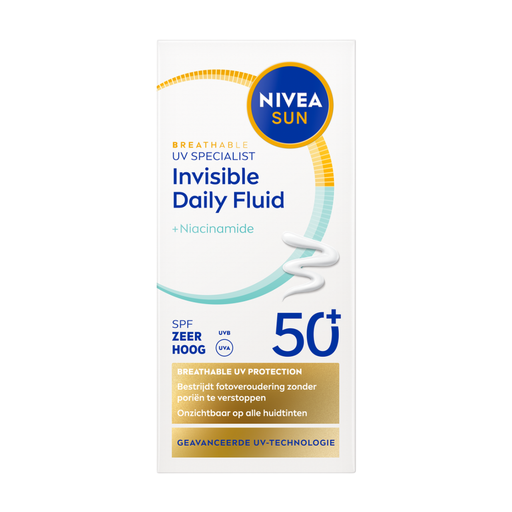
Why this suits the profile: The 40 ml packaging and ultra-light fluid are practical for anyone looking for a simple daily facial sunscreen, even under make-up.
According to the product description, the formula is non-greasy, fast-absorbing and designed not to leave white residue. Shaking before use is part of the instructions.
SPF 50+, UVA/UVB protection, niacinamide and, according to the brand description, a matte finish for up to 8 hours in an instrumental test with 35 volunteers.
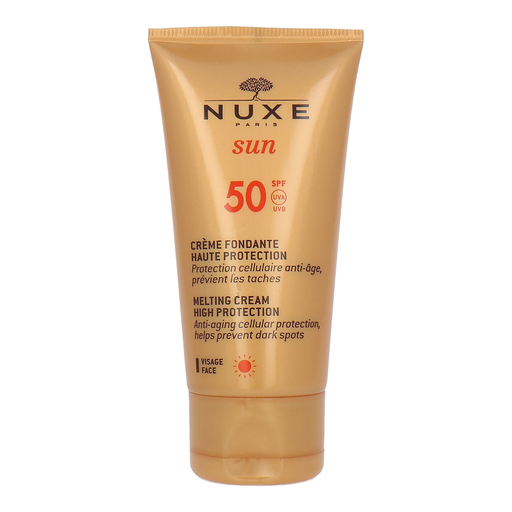
Why this suits the profile: The creamy formula is aimed at adults who want a nourishing skin feel alongside protection and prefer a cream over a watery fluid.
The product information mentions a silky texture and suitability for all skin types. If you’re after a mattifying effect, bear in mind the cream consistency.
SPF 50+, stated UVA and UVB protection, 50 ml content and, according to the product description, a hydrating cream for the face.
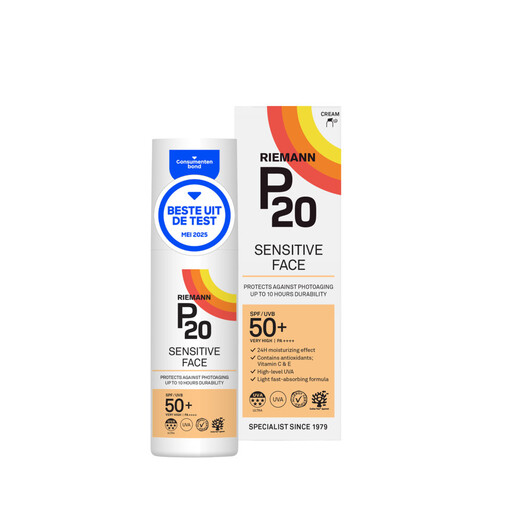
Why this suits the profile: This is a targeted choice for adults who want a facial product and need to carefully manage their protection during outdoor activities.
The usage instructions mention applying generously before exposure and reapplying after towel drying or heavy sweating. This makes the routine clearer for intensive outdoor use.
SPF 50+, 50 g, glycerine, panthenol and squalane in the ingredients list; the manufacturer positions this product for sensitive skin.
We’ve put together a full, up-to-date list of products that fully meet these strict selection criteria and comply with current European safety regulations.
Yes, an SPF 50 face product can be used daily if the formula feels comfortable and suits your skin type. Apply the sunscreen as the last step of your morning routine. Use enough product for your face, ears and neck, and reapply during prolonged exposure, sweating or swimming.
Check the expiry date or the symbol on the packaging. Store sunscreen in a cool place away from direct sunlight. If a product smells different, has changed colour or altered in texture, it’s best not to use it. The exact shelf life varies per product and is stated on the packaging.
A lightweight facial sunscreen is usually a fluid or gel-like formula that absorbs quickly and leaves less shine. A hydrating sunscreen often contains more nourishing ingredients and can be more comfortable for dry skin, but may feel heavier on oily skin. So choose based on texture, skin type and the rest of your morning routine.
