
Vandaag of morgen in huis

Kwaliteit gegarandeerd

Welkomstaanbiedingen ontgrendelen: GRATIS bezorging | Tot 80% korting | Gratis 30 dagen JoyPlus-proefperiode
Download de app
Buying a daily facial sunscreen SPF 50 might seem straightforward, but the differences between products are significant. Some creams feel heavy under make-up, others leave a white cast or contain fragrance when you are actually looking for a fragrance-free sunscreen. Even a high SPF does not automatically mean a product is pleasant for everyday use.
The most common pitfalls:
SPF 50 or SPF 50+ mainly refers to protection against UVB radiation. UVA radiation penetrates deeper and also plays a role in sun damage and pigmentation changes. Therefore, choose a product where both UVA and UVB protection is clearly stated.
With Korean sunscreens, you will often see a PA rating, such as PA+++ or PA++++. This is an additional classification for UVA protection. A higher rating is relevant when you spend a lot of time outdoors, develop pigment spots quickly, or are exposed to daylight for long periods every day.
Also pay attention to the difference between SPF 50 and SPF 50+. In the range, for example, the Aloe Soothing Sun Cream states SPF50+ PA+++, while Beauty of Joseon Relief Sun lists SPF50+ PA+++. The classification is useful, but applying the right amount and reapplying regularly remains at least as important.
A hydrating sunscreen often suits dry or dehydrated skin well. Ingredients such as glycerine, hyaluronic acid, rice extract or panthenol can contribute to a comfortable skin feel, but they do not tell you exactly how your own skin will react.
For oily or combination skin, a gel, serum or milk are often practical options. Look for descriptions like “lightweight texture”, “non-sticky” or “matte finish”. These are product descriptions, not a guarantee for every user.
If you have sensitive skin, check the ingredients list for fragrance, essential oils and alcohol. A fragrance-free sunscreen can be a logical choice, but even fragrance-free products can cause irritation in some individuals. If in doubt, first test a small amount on a limited area of skin.
Apply a facial sunscreen as the last step of your morning routine, before make-up. Many product instructions recommend applying 15 to 30 minutes before sun exposure. Outdoors, after swimming, sweating or towel-drying, you need to reapply. Some product descriptions mention every two hours; always follow the instructions on the packaging.
A 50 ml tube is handy for daily facial use, while a 12 ml pack, such as the Anessa Perfect UV Sunscreen Skincare Milk, can be particularly practical for a bag or travel. A small size is not automatically better value: compare volume, price per millilitre and how often you use the product.
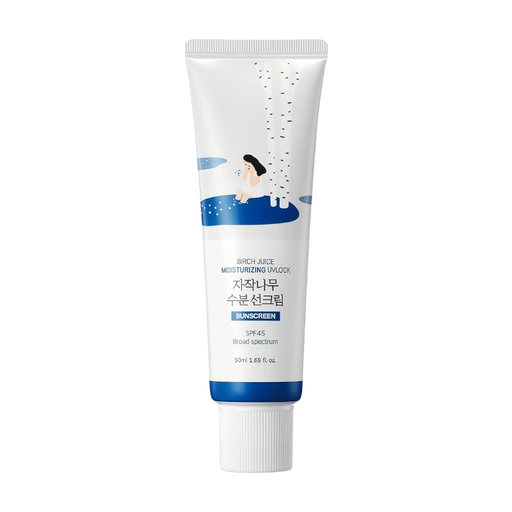
Why this fits the profile: A daily SPF 50 formula with a list of hydrating ingredients, including glycerine and various forms of hyaluronic acid.
The product information mentions multiple UV filters and gives clear instructions for reapplying. Check the packaging for the most up-to-date ingredients list.
50 ml volume; niacinamide, glycerine and hyaluronic acid are listed in the product ingredients.

Why this fits the profile: According to the product description, this Korean sunscreen is lightweight, fragrance-free and designed for daily use on the face.
The product information states no fragrance and describes a formula without a white cast. No water resistance is mentioned; so choose a different type for swimming.
SPF50+ PA+++; rice extract is listed as 30% in the product description; 50 ml tube.

Why this fits the profile: The product description mentions a lightweight milk texture and water resistance, making this size suitable for on-the-go or outdoor activities.
According to the product description, it is water-resistant. Check the instructions for use and reapply after swimming, sweating or towel-drying.
SPF50+; milk variant; compact 12 ml size for bag or travel.
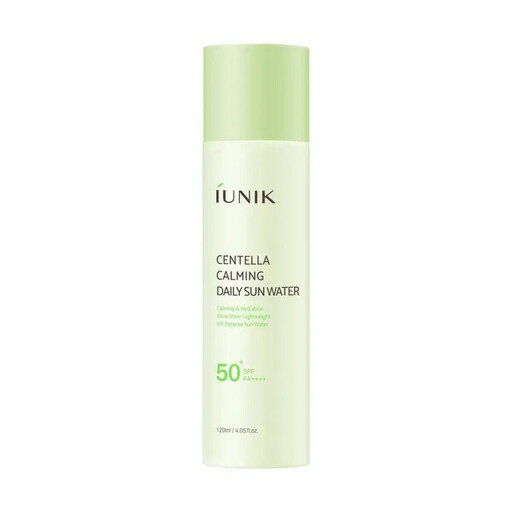
Why this fits the profile: The product description mentions a watery texture, no artificial fragrances and a lightweight finish that can work under make-up.
The product information explicitly states no sticky finish and no white cast. According to the description, the product is not water-resistant.
SPF50+ PA++++; 120 ml volume; fragrance-free according to the product description.
We have compiled a full, up-to-date list of products that fully meet these strict selection criteria and comply with current European safety regulations.
Use enough product for your face and neck. A practical method is to use two finger-length strips of sunscreen for your face and neck, spread over several thin layers if that feels more comfortable. Using too little product reduces the protection stated on the packaging.
Yes, choose a lightweight facial sunscreen with a formula that absorbs quickly and is not sticky. First apply skincare, then sunscreen, and only then make-up. Allow the sunscreen to absorb briefly. Reapplying over make-up can be tricky; so plan reapplication carefully if you will be exposed for longer periods.
Check the expiry date, the symbol for use after opening and the batch information on the packaging. Store sunscreen in a cool place out of direct sunlight. A product that smells different, changes texture or feels unusual should not be used. Bear in mind that regular reapplication is more important than keeping a pack for as long as possible.
