
Vandaag of morgen in huis

Kwaliteit gegarandeerd

Welkomstaanbiedingen ontgrendelen: GRATIS bezorging | Tot 80% korting | Gratis 30 dagen JoyPlus-proefperiode
Download de app
Finding a good facial sunscreen can feel like an impossible quest. You want high protection, but no white cast. A hydrating formula, but not a greasy film that clogs your pores. And if possible, some extra anti-aging benefits. The marketing promises are endless, but the results are often disappointing.
As a Product Recommendation Officer at Joybuy, I see the challenges consumers face every day. Many products fall short on crucial points. Let's expose the most common pitfalls so you can make an informed decision.
anti-aging facial sunscreen isn't complete.non-greasy sunscreen that still leaves a shiny, sticky film or a white cast. This makes it impractical for daily use, especially under makeup.To avoid these pitfalls, you need to pay attention to a few objective specifications. These determine whether a product lives up to its promises.
A good sunscreen offers protection against both types of harmful UV rays.
sunscreen against dark spots, a high PA rating (PA+++ or PA++++) is essential. Always look for products that explicitly mention UVA UVB protection.The best facial sunscreen is one you'll want to use every day. The texture is crucial.
hydrating sunscreen with a dewy glow for dry skin? Modern formulas are often so lightweight you can't feel them.A day cream with SPF 50 can do more than just protect. Look for active ingredients that match your skin needs. Think of hyaluronic acid for hydration, niacinamide to strengthen the skin barrier, or specific complexes aimed at reducing dark spots. This makes your sunscreen a fully-fledged part of your skincare routine.
Based on these objective criteria, we have selected a number of products that suit different user profiles.
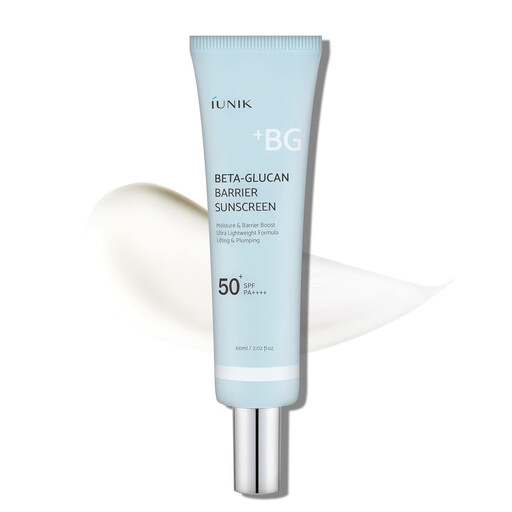
Why This Fits Their Persona: Ideal for those seeking a reliable, invisible sunscreen for everyday use. The lightweight texture works perfectly under makeup without pilling or leaving a greasy film.
This formula tackles the pitfall of a sticky layer. It absorbs quickly and leaves a matte finish, making you forget you're wearing a non-greasy sunscreen.
Offers high SPF 50+ PA++++ protection. The formula is designed to leave no white cast, making it suitable for all skin tones.
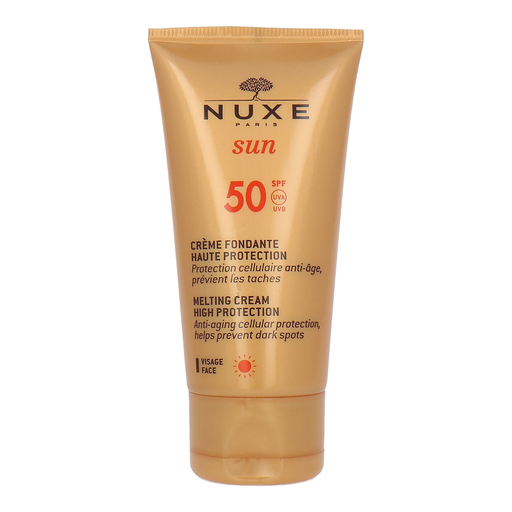
Why This Fits Their Persona: For those who see sun protection as a luxurious part of their skincare routine. This cream combines high protection with a rich, melting texture and anti-aging properties.
This product bypasses the pitfall of empty promises by offering a formula that is genuinely a hydrating sunscreen with a comfortable feel, rather than just a claim on the packaging.
Combines UVA/UVB protection with anti-aging and hydrating properties. The formula is non-comedogenic and suitable for all skin types.
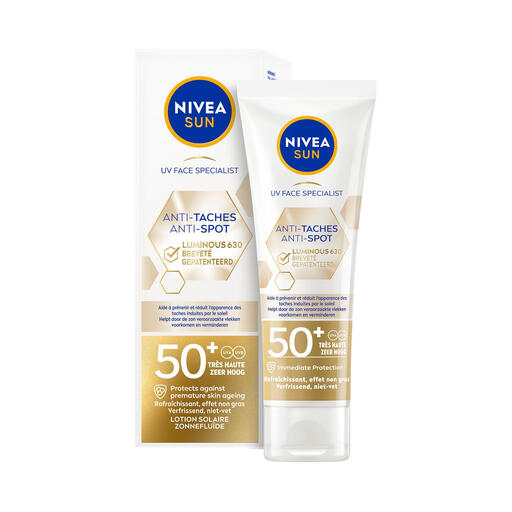
Why This Fits Their Persona: Specifically for those who not only want to prevent new dark spots but also want to address existing sun-induced spots.
This is not a generic anti-aging facial sunscreen. According to NIVEA, the formula contains the patented ingredient Luminous630, which is aimed at balancing melanin production and reducing spots.
Offers dual action: high SPF50+ protection against new spots and a targeted approach to existing pigmentation. The lightweight formula is suitable for all skin types.
We have compiled a complete, up-to-date list of products that fully meet these strict selection criteria and European regulations.
A common guideline is the two-finger rule. Apply a line of sunscreen to your index and middle fingers, from base to tip. This amount is generally sufficient for your face and neck. Applying too little product significantly reduces the indicated SPF protection.
Yes, a day cream with SPF 50 can be sufficient for daily use, provided you apply the correct amount and the product offers broad-spectrum UVA UVB protection. For days when you spend a lot of time outdoors, such as at the beach or on a hike, it is advisable to use a dedicated sunscreen and reapply it every two hours.
There's a simple mnemonic: UVB is for Burning and UVA is for Aging. A good sunscreen protects your skin from both. SPF measures protection against UVB, while the PA rating indicates protection against UVA.
