
Vandaag of morgen in huis

Kwaliteit gegarandeerd

Welkomstaanbiedingen ontgrendelen: GRATIS bezorging | Tot 80% korting | Gratis 30 dagen JoyPlus-proefperiode
Download de app
A good facial sunscreen SPF 50 should offer more than just a high protection factor. The texture, UVA protection, ingredients, volume and intended use all determine whether you'll actually use it every day. A cream that feels too greasy, stings around the eyes or washes off quickly often ends up unused in the cupboard.
SPF mainly relates to protection against UVB rays. So also look for an indication of UVA protection, such as PA+++ or PA++++, or the European UVA logo on the packaging. What's more, a high SPF doesn't mean you can stay in the sun indefinitely.
Apply the sunscreen generously to your face and neck. Using too little product significantly reduces protection. Reapply when you're outdoors, typically every two hours and after swimming, sweating or towel-drying.
A light sun fluid or sunscreen serum can work well for oily or combination skin, but dry skin may be more comfortable with a cream containing glycerine, hyaluronic acid, panthenol or other moisturising ingredients. Conversely, a rich cream can look shiny or feel heavy under make-up.
Product claims about soothing, repairing or brightening aren't guaranteed for every skin type. According to a brand's own research or information, such properties may be mentioned, but always check the ingredients list and stop if irritation occurs.
"Water-resistant" doesn't mean you don't need to reapply after swimming or exercise. What's more, not every product is water-resistant. The Anessa Perfect UV Sunscreen Skincare Milk is described as water-resistant in the product description. The Anua Heartleaf Silky Moisture Suncream, on the other hand, explicitly states that it is not water-resistant.
Also pay attention to the size. A 12ml or 15ml pack is handy for your bag or travel, but has a higher price per millilitre than a 50ml pack or a twin pack.
For daily UV protection, many adults choose SPF 50 or SPF 50+. Also check the UVA rating. The filters used can be chemical, mineral or a combination:
The Haruharu Wonder Black Rice Pure Mineral Sunscreen uses zinc oxide as its UV filter according to the ingredients list. The product information notes that a slight white cast may be noticeable at first. This is relevant if you have a darker skin tone or expect a completely transparent finish.
Don't just look at words like "glow" or "airy". Pay attention to concrete product information:
Your face needs enough product. A small pack may seem economical, but can run out quickly when you also protect your neck. So compare the price per 10ml and look at the volume:
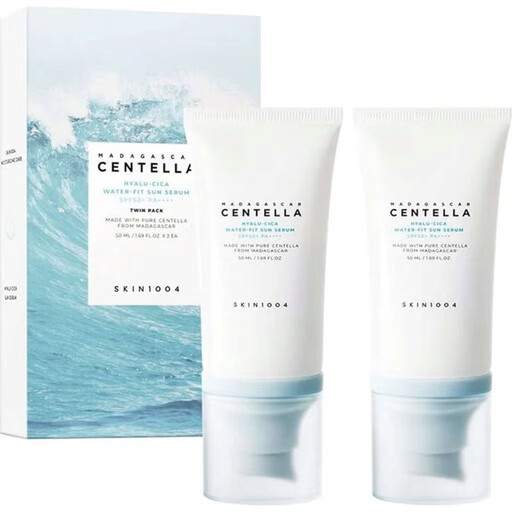
Why this fits the profile: This twin pack offers two 50ml bottles. According to the product description, it is a hydrating sunscreen serum suitable for various skin types, including dry, oily, combination and sensitive skin.
The serum texture is described as light and fast-absorbing in the product information. Check the current packaging for the full ingredients list and UVA rating.
Two 50ml bottles, SPF50 according to the product description and a nourishing Hyalu-Cica formula with hyaluronic acid.

Why this fits the profile: The small size is practical for on the go. According to the product description, the milk texture is light and water-resistant, making this product suitable for outdoor activities where reapplication is still necessary.
The water-resistance claim is stated in the product description, but towel-drying or prolonged swimming still requires reapplication. The volume is only 12ml.
SPF50+, light milk texture, water-resistance according to the product information and a compact travel size.
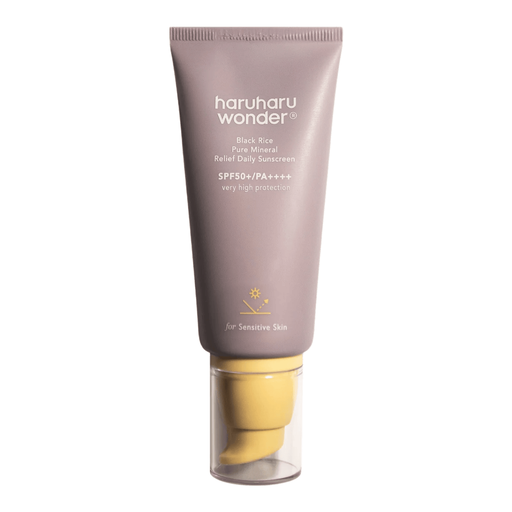
Why this fits the profile: This Korean sunscreen uses zinc oxide as its mineral UV filter according to the ingredients list. The 50ml pack is suitable for daily use on face and neck.
The product information warns of a possible white cast. This means you know in advance that careful blending is important.
Mineral filter with zinc oxide, 50ml, plus ingredients such as niacinamide, ceramide NP and sodium hyaluronate according to the ingredients list.
We've put together a full, up-to-date list of products that fully meet these strict selection criteria and comply with current European safety regulations.
Also use other sun protection measures, such as shade, clothing and a hat. No sunscreen makes prolonged exposure to strong sunlight risk-free.
SPF 50 can be suitable when you're outdoors every day, burn easily or place great importance on high UVB protection. Also look at UVA protection and apply enough product. The protection factor doesn't increase proportionally when you choose a higher SPF; correct application remains important.
Choose a formula whose ingredients you can easily check. Fragrances, alcohol or certain filters may be less comfortable for some users, but skin reactions vary from person to person. Test on a small area of skin first and stop if you experience redness, itching, swelling or a stinging sensation.
That depends on the amount you use, the size and how often you reapply. A 50ml tube used daily on face and neck will clearly not last as long as a 200ml pack. A twin pack gives you more supply, but check the expiry information before opening multiple packs.
