
Vandaag of morgen in huis

Kwaliteit gegarandeerd

Welkomstaanbiedingen ontgrendelen: GRATIS bezorging | Tot 80% korting | Gratis 30 dagen JoyPlus-proefperiode
Download de app
A face cream with SPF 50 may seem easy to choose at first glance. However, products vary considerably in texture, filters, finish and comfort. A sunscreen that feels pleasant on dry cheeks may feel heavy on oily skin. A mineral product may also leave a slight white cast, whereas a chemical formula usually dries more transparently.
The main pitfalls often have less to do with the SPF number itself and more to do with how you use the product and how well the formula suits your skin type.
SPF 50 mainly indicates protection against UVB rays, which can cause sunburn and redness. Also check whether the product states that it offers UVA protection. UVA rays penetrate deeper into the skin and are relevant during daily exposure, even when it is cloudy.
With Korean products, you will often see PA+++ or PA++++ on the packaging. This is an additional indication of UVA protection used within the Asian classification system. For products intended for use in the Netherlands, also check the information on the packaging and the European product information.
Words such as “waterproof”, “non-comedogenic”, “soothing” or “anti-ageing” do not always mean the same thing across every brand. According to a brand’s own research, for example, users may find a formula pleasant or lightweight, but that does not mean the experience will be the same for every skin type.
Instead, look for verifiable information:
A thin layer of facial sunscreen does not automatically provide the protection stated on the label. Apply a generous, even amount to your face, ears and neck. A practical guideline is around two finger lengths for your face and neck combined, depending on the packaging and texture.
Apply SPF as the final step in your morning routine. With some formulas, wait a little before applying make-up to reduce the chance of smudging or pilling. When outdoors, sweating, swimming or drying yourself, you will need to reapply.
A facial sunscreen SPF50+ is intended to provide high UVB protection. Also check for a statement confirming UVA and UVB protection. The ingredients list can provide clues about the filter type.
Chemical filters such as Diethylamino Hydroxybenzoyl Hexyl Benzoate and Ethylhexyl Triazone are found in various Korean formulas. These products often feel lightweight and generally leave little white cast. Mineral filters such as zinc oxide and titanium dioxide form a different category. They may be suitable if you prefer this type of filter, but can leave a visible layer on some skin tones.
Choose the texture based on your everyday needs:
An ingredient is not automatically good or bad without considering the full formula. Niacinamide, glycerine and sodium hyaluronate, for example, are found in several products, but the texture is determined by all the ingredients together. Always check the current INCI list on the packaging as formulas can change.
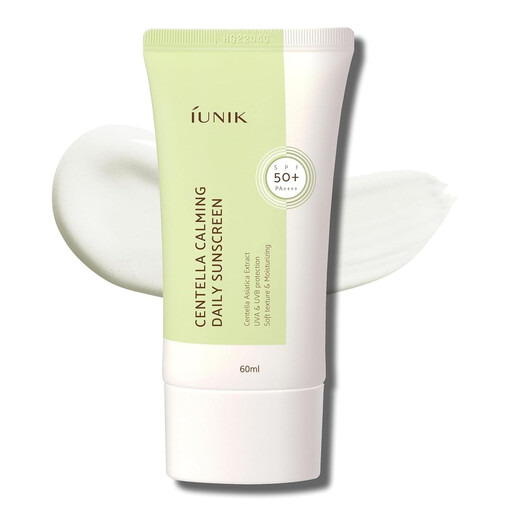
Why it suits this profile: The product description states that it has a lightweight, non-sticky formula without perfume and without a visible white cast. This makes it an accessible choice for everyday use.
The combination of SPF 50+, PA++++ and a fragrance-free formula means you are not selecting a product based on the SPF number alone.
60 ml volume; stated UVA and UVB protection; fragrance-free formula.

Why it suits this profile: According to the product description, this Korean sunscreen has a lightweight, hydrating texture and a fragrance-free formula. The ingredients list includes rice extract, glycerine and niacinamide, among others.
The product information explicitly states that it leaves no white cast and does not feel sticky. However, always check how it works with your own skin.
50 ml; SPF50+ PA+++; fragrance-free and suitable for the face.

Why it suits this profile: The product information states that it offers SPF 50+, a lightweight texture and water resistance. The compact size is practical for carrying with you and reapplying.
The stated water resistance makes it more suitable for outdoor activities than a standard everyday formula. Reapplication is still necessary after swimming or drying yourself.
SPF 50+; water-resistant formula according to the product description; 12 ml travel size.
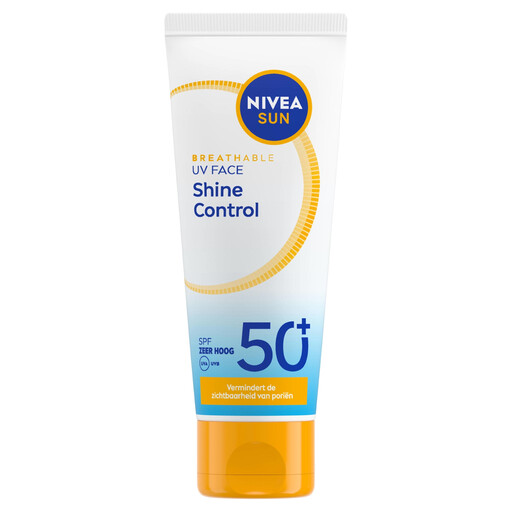
Why it suits this profile: According to the product description, the formula is lightweight, absorbs quickly and is designed to leave a mattifying finish. Ingredients such as silica, tapioca starch and rice starch are included in the list.
The finish is described more clearly than with many general sunscreens. However, check for perfume and Alcohol Denat. in the ingredients list if your skin does not tolerate them well.
40 ml; SPF 50+; stated matte and invisible finish.
We have put together a complete, up-to-date list of products that fully meet these strict selection criteria and the applicable European safety requirements.
During prolonged exposure to the sun, reapplying approximately every two hours is a practical guideline. Reapply sooner after swimming, heavy sweating or drying yourself with a towel. Your routine may be different for a daily commute, but if you spend a lot of time outdoors, regular reapplication remains important.
Yes. Choose a lightweight facial sunscreen that absorbs quickly and does not pill when you apply subsequent layers. Apply your skincare first, followed by SPF and then make-up. Test a new combination at home, as primers, creams and foundation can react differently when layered together.
Not automatically. Sunscreen for sensitive skin should primarily suit your individual tolerance. Check the ingredients list for perfume, alcohol and known allergens. Test the product on a small area and stop using it if you experience redness, swelling, itching or a burning sensation. If symptoms persist, consult a doctor or dermatologist.
