
Vandaag of morgen in huis

Kwaliteit gegarandeerd

Welkomstaanbiedingen ontgrendelen: GRATIS bezorging | Tot 80% korting | Gratis 30 dagen JoyPlus-proefperiode
Download de app
A facial sunscreen needs to do more than just protect. The texture, your skin type, the amount you use and when you apply it all determine whether you’ll actually use it every day. A cream that feels sticky, leaves a white cast or pills under make-up often ends up sitting unused in the bathroom cabinet.
If you’re looking for a facial sunscreen SPF 50, a moisturising sun cream or a lightweight, non-greasy formula, you’ll also come across plenty of marketing claims. Below, you’ll find out which features you can actually verify and which pitfalls to avoid when buying sun cream for your face.
SPF mainly tells you about protection against UVB rays – the type of radiation that causes redness from sun exposure. For daily sun protection, the UVA protection rating is just as important. So look for a UVA symbol, such as UVA in a circle, or a clear mention of broad-spectrum protection.
A higher SPF does not make prolonged or unlimited sun exposure safe. Avoid the intense midday sun, wear a hat when needed and seek out shade.
An anti-ageing day cream with SPF can be a nice addition to your morning routine. However, many people don’t apply enough of it to achieve the SPF stated on the label. If you’re spending longer periods outdoors, a separate facial sunscreen can be more practical, because you can apply it generously and reapply as needed.
A product with SPF 15, like some day creams in the range, might be suitable for short daily exposure, but offers less of a safety margin than an SPF 30 or SPF 50.
Words like “soothing”, “anti-ageing” or “for sensitive skin” don’t guarantee that a product will feel comfortable for everyone. Check the ingredients, fragrances, alcohol content and the type of UV filters used. If you have sensitive skin, it’s wise to test a small amount on a limited area first.
Claims about moisturising, soothing or anti-ageing properties come from the brand’s product description. So treat them as manufacturer information, not as a guaranteed result for every user.
For daily use on the face, many people choose SPF 30 or SPF 50. SPF 50+ is particularly useful for prolonged exposure, fair skin or outdoor activities. Also check that UVA protection is clearly stated. PA++++ is an Asian rating for UVA protection; it’s best to compare this with the information on the European packaging.
Texture is also important when it comes to sunscreen under make-up. Let your skincare and sunscreen sink in first, then apply foundation or concealer. A tinted formula can help to visually reduce redness or colour differences, but it won’t replace a separate colour corrector for every skin tone.
Not every facial sunscreen is water-resistant. A product description will sometimes state this explicitly, for example “water-resistant sunscreen” or “not water-resistant”. You need to reapply after swimming, sweating or towel-drying. Even with daily use, you’ll need to top up if you’re spending a longer time outdoors.
Apply sunscreen as the last step in your skincare routine. Use enough to cover your face, ears and neck. Always follow the specific usage instructions on the packaging.
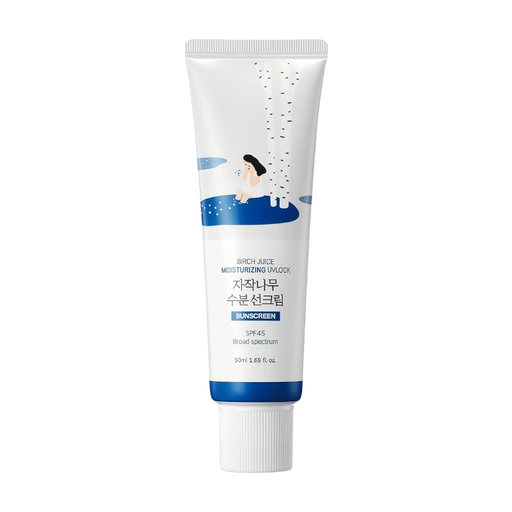
Why this fits the profile: A compact SPF 50 formula for anyone who wants daily protection combined with a caring feel on the skin.
The product information lists multiple UV filters, SPF 50 and advises reapplication after two hours or after swimming, sweating and towel-drying. This means the usage conditions are clearly stated alongside the protection claim.
50 ml content; glycerine, sodium hyaluronate and niacinamide are listed in the ingredients.
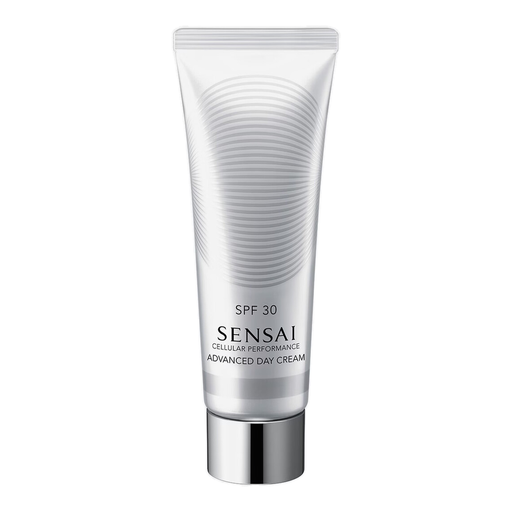
Why this fits the profile: For anyone looking for a day cream with SPF who prefers a cream consistency over a thin sun fluid.
The SPF 30, facial application and consistency are all clearly stated. This makes it clear that it’s a day cream and not a product for intensive swimming or prolonged outdoor activities.
SPF 30; suitable for all skin types according to the product data; ingredients list includes glycerine and niacinamide.

Why this fits the profile: The small packaging is handy for a bag, holidays or topping up on the go.
The product information mentions SPF 50+, a milky texture and water resistance. Do check the current packaging and usage instructions before purchasing.
SPF 50+; 12 ml content; reapplication is advised after sweating, swimming or every two to three hours.
We’ve put together a full, up-to-date list of products that fully meet these strict selection criteria and comply with current European safety regulations.
SPF 50 isn’t essential in every situation, but it does offer a higher stated UVB protection than SPF 30. For commuting, short walks and cloudy days, the amount of sun exposure you get is still the deciding factor. If you’re outside for longer, you’ll often choose SPF 30 or SPF 50 and reapply as needed.
Yes, as long as the texture absorbs quickly and doesn’t pill. Apply your usual skincare first, then a generous layer of sunscreen, and wait a moment before applying make-up. A lightweight Korean sunscreen, gel-cream or lotion is often chosen for this purpose. Test the combination beforehand, because primers and foundations can vary from one formula to another.
Check the expiry date, batch number and the symbol for the period after opening on the packaging. Store sunscreen in a cool place away from direct sunlight. If a product smells different, has changed colour or feels different to the touch, it’s best not to use it. Always follow the manufacturer’s safety and storage advice.
