
Vandaag of morgen in huis

Kwaliteit gegarandeerd

Welkomstaanbiedingen ontgrendelen: GRATIS bezorging | Tot 80% korting | Gratis 30 dagen JoyPlus-proefperiode
Download de app
Finding a good sunscreen for your face can sometimes feel like an impossible task. You're looking for protection but often end up with a product that's too greasy, leaves a white cast, or causes breakouts. Many promises on the packaging turn out to be disappointing in practice.
Before you buy another tube that ends up in the back of the cabinet, let's first discuss the most common pitfalls:
By understanding these points, you can search more effectively for a product that truly suits you.
To avoid a bad purchase, it's helpful to know which specifications really matter. Focus on these three key points when comparing products.
The SPF (Sun Protection Factor) on the packaging indicates how well a product protects against UVB radiation, the rays that cause sunburn. For daily use in the UK, a sunscreen with SPF 50 is a solid choice for the face, as it offers a high level of protection.
Just as important is protection against UVA radiation. These rays penetrate deeper into the skin and are the primary cause of premature skin aging, such as wrinkles and dark spots. A good anti-aging sunscreen therefore always offers broad-spectrum protection. Look for the UVA logo (UVA in a circle) or the PA rating (especially on Korean sunscreens), where PA++++ indicates the highest level of protection.
The texture determines whether you'll enjoy using a sunscreen daily. The formula should match your skin type and lifestyle.
mattifying sunscreen often contains ingredients like silica or tapioca starch that absorb excess sebum and prevent a shiny complexion. These are ideal as a base under makeup.day cream with SPF may feel more comfortable. These products often contain nourishing ingredients that keep the skin supple.sunscreen without a white cast, even on darker skin tones.The ingredients list tells you if a product is suitable for your specific needs.
Based on the criteria above, we have selected a number of products that cater to specific needs.
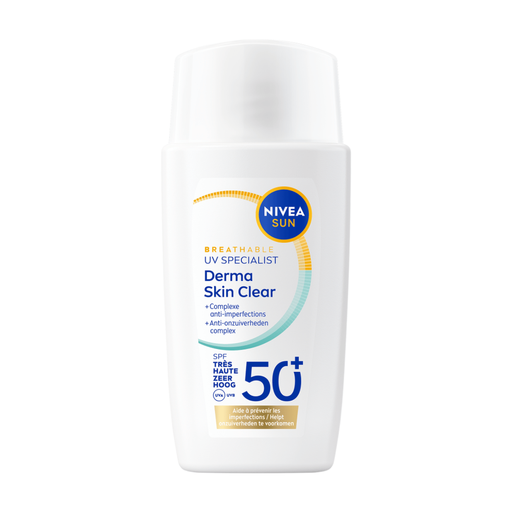
Why This Fits Their Persona: This person needs a sunscreen that not only protects but also keeps the skin matte and helps prevent blemishes. This fluid is specially designed for oily skin that is prone to shine.
The formula is non-greasy and non-comedogenic, avoiding the pitfall of a sticky film and clogged pores. It's not a "one-size-fits-all" product, but a targeted solution.
Contains Niacinamide and an Anti-Blemish Complex. According to the manufacturer, it absorbs excess oil and provides an 8-hour mattifying effect.

Why This Fits Their Persona: This user is looking for a product that does more than just protect. It must also nourish and soothe without causing irritation. This popular Korean sunscreen is known for its light, hydrating texture.
The formula is fragrance-free and absorbs quickly without leaving a white cast or sticky feeling. This bypasses the pitfall of an unpleasant texture that prevents many people from using sunscreen daily.
Combines SPF50+ PA++++ protection with 30% rice extract and probiotics. These ingredients are known for their hydrating and calming properties, making it ideal for sensitive skin.
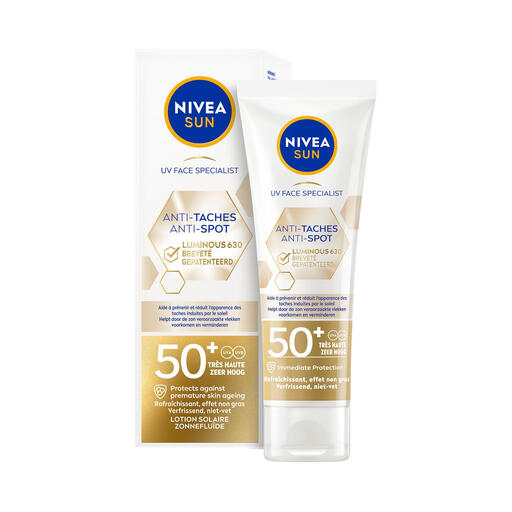
Why This Fits Their Persona: This user not only wants to prevent new sun-induced dark spots but also wants to address existing ones. A multifunctional product with a high SPF is key here.
This product goes beyond a vague "anti-pigment" claim. It contains a specific, patented ingredient (Luminous630) that is targeted at reducing spots, offering a concrete solution instead of a general promise.
According to NIVEA, this cream prevents and visibly reduces sun-induced spots. The light formula doesn't feel greasy and is suitable for all skin types.
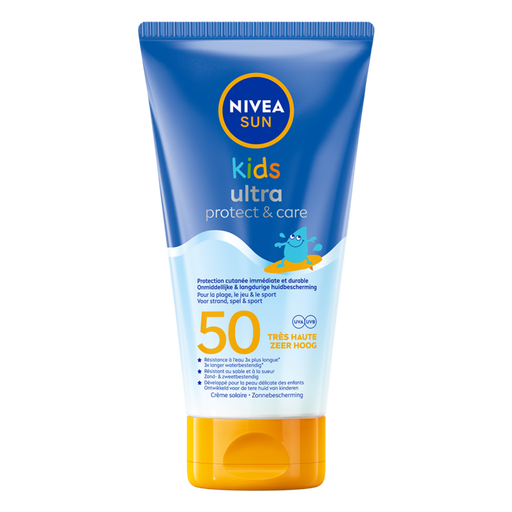
Why This Fits Their Persona: Parents need a reliable, water-resistant, and gentle `sunscreen for children` that protects sensitive skin during play. Convenience and effectiveness are essential.
This isn't an adult face cream in different packaging. The formula is specifically developed for children's skin, pediatrician-tested, and extra water-resistant, thus avoiding the "one-size-fits-all" pitfall.
The formula is long-lasting water-resistant and, according to the manufacturer, also resistant to sweat and sand. Ideal for active children at the beach or playground.
We have compiled a complete, up-to-date list of products that fully meet these strict selection criteria and UK regulations.
Yes, you can, provided the sunscreen also has hydrating properties that suit your skin type. Many modern facial sunscreens, such as a day cream with SPF, are formulated with nourishing ingredients like hyaluronic acid or glycerin. If you have very dry skin, you might find it beneficial to apply a hydrating serum first and use the sunscreen as the final step. For oily skin, a light, mattifying sunscreen is often sufficient on its own.
A common mistake is using too little product. For proper protection of your face and neck, you need about the length of two fingers (index and middle finger) of sunscreen. Apply the product generously and evenly 15-20 minutes before you go outside. Don't forget your ears, neck, and hairline. For continuous protection, it is recommended to reapply every two hours, and more frequently after swimming or sweating.
