
Vandaag of morgen in huis

Kwaliteit gegarandeerd

Welkomstaanbiedingen ontgrendelen: GRATIS bezorging | Tot 80% korting | Gratis 30 dagen JoyPlus-proefperiode
Download de app
A good facial sunscreen isn't a seasonal product, but a daily essential. Yet, the search for the perfect one is often frustrating. The selection is overwhelming, and many products don't deliver on their promises. Before you buy another tube that ends up forgotten in a drawer, let's first discuss the most common pitfalls.
Pitfall 1: The "One-Cream-Fits-All" Myth The skin on your face is thinner and more sensitive than the skin on your arms or legs. A body sunscreen is often thicker, greasier, and can clog pores (comedogenic). This leads to shine, breakouts, and an unpleasant feeling, making you more likely to skip application. A dedicated facial sunscreen is formulated with a lighter texture and often contains additional skincare ingredients.
Pitfall 2: Fixating on the Highest SPF SPF 50 does not offer double the protection of SPF 25. SPF 30 blocks about 97% of UVB rays, while SPF 50 increases this to approximately 98%. The most important thing isn't the absolute highest factor, but choosing a product you enjoy using and will therefore apply consistently and generously every day. A pleasant day cream with SPF 30 that you use consistently provides better protection than a sticky SPF 50+ that you'd rather leave on the shelf.
Pitfall 3: Ignoring Texture and Finish A sunscreen might have the right factor and ingredients, but if it leaves a white cast or feels like a thick paste, it's unlikely to become a staple in your routine. The texture (fluid, cream, gel) and the finish (matte, dewy, tinted) are crucial for ease of use and the final result on your skin.
To find a product you'll actually want to use every day, focus on a few key specifications that match your skin's needs.
The SPF (Sun Protection Factor) on the packaging indicates the level of protection against UVB radiation, the rays that cause sunburn. Equally important is protection against UVA radiation, which penetrates deeper into the skin and is responsible for accelerated skin ageing, such as wrinkles and dark spots.
Always choose a product labelled ‘broad-spectrum’ or displaying the UVA logo (the letters UVA in a circle). This guarantees that the UVA protection is at least one-third of the stated SPF factor.
Not every sunscreen is suitable for every skin type. The ingredients determine whether a product will work well with your specific needs.
Modern sunscreens are more than just protection. They can also serve as a day cream, primer, or even a light foundation.
Based on these criteria, we have selected a few products that suit different user profiles.
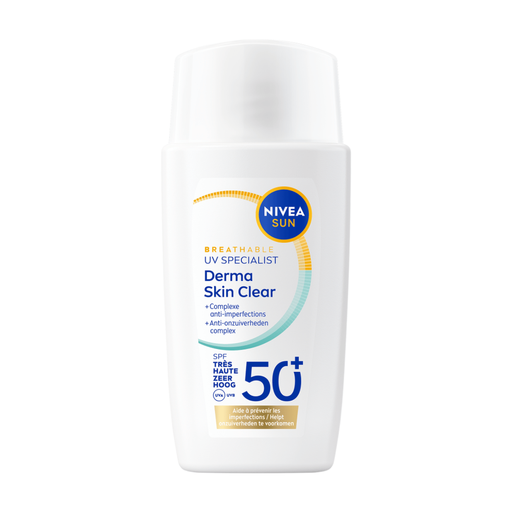
Why This Fits Their Persona: This ultra-light fluid is specifically designed for oily, blemish-prone skin. It absorbs quickly, feels non-greasy, and works perfectly as a base under make-up without clogging pores.
Its non-comedogenic formula is specifically for the face (avoids pitfall 1), and the lightweight, mattifying texture prevents a sticky feel (avoids pitfall 3).
Contains niacinamide and an anti-blemish complex to absorb excess sebum and help prevent breakouts. Provides an 8-hour mattifying effect.
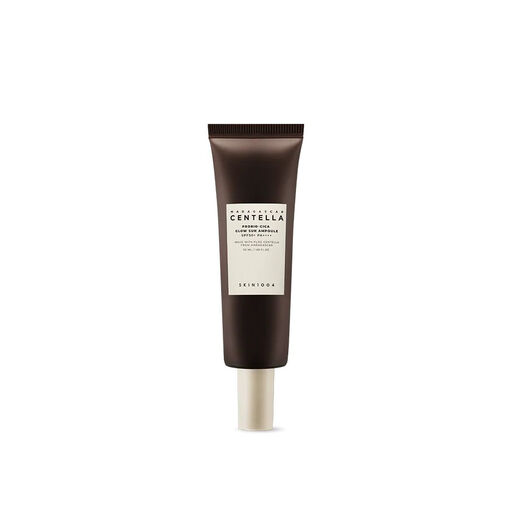
Why This Fits Their Persona: Perfect for those with sensitive, reactive skin. This formula combines sun protection with the calming properties of Centella Asiatica, delivering a hydrated, radiant finish without irritation.
This is a specialised facial product (avoids pitfall 1) with a watery ampoule texture that feels pleasant and leaves no white cast, encouraging daily use (avoids pitfall 3).
The formula is clinically tested for low irritation (0.00), making it suitable for sensitive skin. It doesn't sting the eyes and contains nourishing ingredients like niacinamide and panthenol.
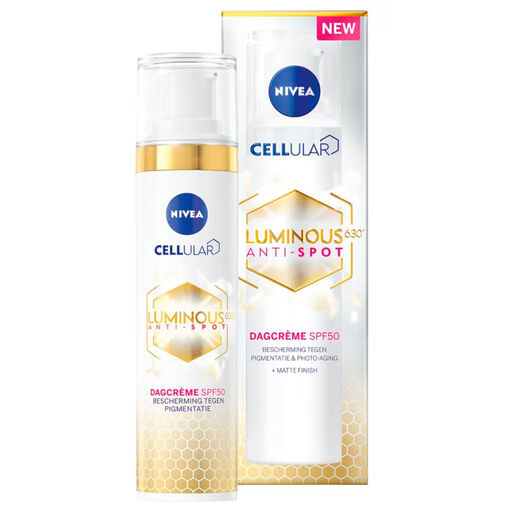
Why This Fits Their Persona: This day cream is an efficient all-in-one solution. It combines high sun protection with an active approach to targeting dark spots, a common concern for mature skin.
This product combines a high SPF 50 with active ingredients, debunking the misconception that multi-functional creams are less effective (avoids pitfall 2). Its lightweight formula is pleasant for daily use.
Contains NIVEA's patented Luminous630 ingredient, which the manufacturer claims reduces existing dark spots and helps prevent the formation of new ones. The formula is enriched with hyaluronic acid and vitamin E.
The right sunscreen is personal. If the suggestions above don't perfectly match your needs, explore our full collection.
A common guideline is the ‘two-finger rule’. Apply a line of sunscreen to your index and middle fingers, from base to tip. This amount is generally sufficient for your face and neck. Applying too little significantly reduces the stated protection factor.
It depends on the situation. For an average day with limited sun exposure (e.g., working in an office), a day cream with SPF 15 or 30 may suffice. If you spend more time outdoors, a separate sunscreen with at least SPF 30, reapplied every two hours, is a better choice for adequate facial sun protection.
No, that's a persistent myth from the past. Modern formulas, especially those with chemical filters or refined (micronised) mineral filters, are often incorporated into lightweight fluids or gels. These absorb quickly into the skin without leaving a visible white or purple cast, even at a high SPF.
