
Vandaag of morgen in huis

Kwaliteit gegarandeerd

Welkomstaanbiedingen ontgrendelen: GRATIS bezorging | Tot 80% korting | Gratis 30 dagen JoyPlus-proefperiode
Download de app
Finding a good sunscreen for your face can sometimes feel like an impossible mission. You're looking for protection but end up with a sticky feeling, a white cast, or breakouts. Many products promise the world but leave you with a shiny face that doesn't sit well under makeup. It's time to cut through the marketing jargon and focus on what really matters.
Before you buy another tube that ends up in the back of the cabinet, let's discuss a few common pitfalls:
To avoid a bad purchase, it's helpful to pay attention to a few objective specifications. These determine whether a facial sunscreen is pleasant to use and provides the right protection.
The SPF (Sun Protection Factor) on the packaging indicates how well the product protects your skin from UVB radiation, the radiation that causes sunburn. A high factor like SPF 50 is a wise choice for daily protection of the facial skin.
Just as important is protection against UVA radiation. These rays penetrate deeper into the skin and are the main cause of premature skin aging (wrinkles) and dark spots. A good sunscreen offers broad-spectrum protection. Look for the UVA logo (the letters 'UVA' in a circle) on the packaging. This guarantees that the UVA protection is at least one-third of the stated SPF factor, as recommended by the European Commission. This is crucial for an effective anti-aging sunscreen or a sunscreen for pigmentation.
The texture determines whether you'll actually want to use the sunscreen every day. Today's formulas vary enormously:
The finish is the end result on your skin: matte, satin, or a 'glowy' sheen. A Korean sunscreen is often known for its light texture and hydrating, radiant finish, while many European brands focus on an invisible, matte effect.
Modern sunscreens are often more than just sun protection. They contain active ingredients that address specific skin concerns:
Based on these criteria, we have selected a number of products that suit different skin types and preferences.
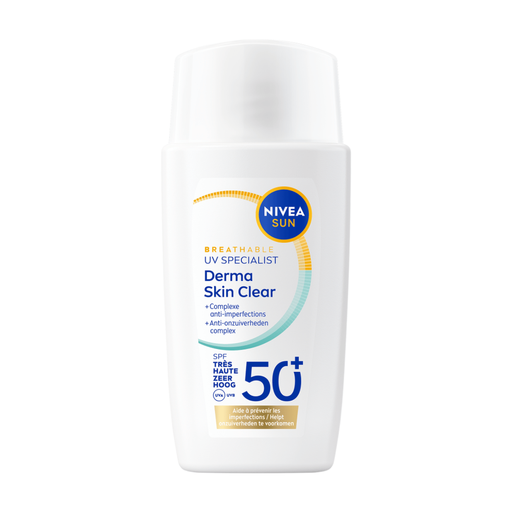
Why This Fits Their Persona: Perfect for those who want to combat daily shine and prevent blemishes. The light fluid doesn't feel greasy and works well under makeup.
This formula is specifically designed to be non-sticky and non-pore-clogging, thus avoiding the "sunscreen causes breakouts" pitfall.
Contains Niacinamide to absorb excess sebum and provides a mattifying effect that NIVEA claims lasts for 8 hours. The formula is non-comedogenic.
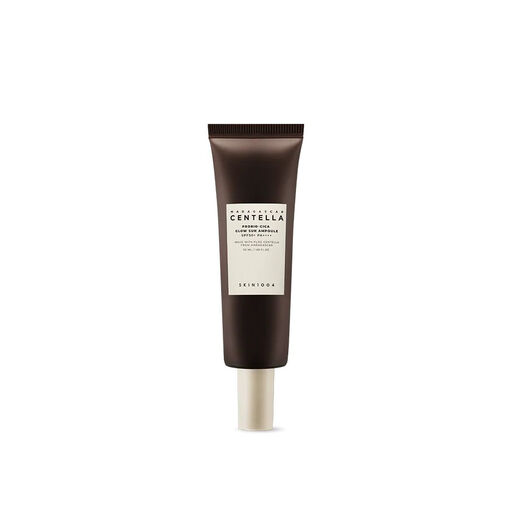
Why This Fits Their Persona: Ideal for those who love the Korean 'glass skin' trend. This sunscreen acts like a serum, hydrating the skin and leaving a healthy, radiant finish.
This ampoule-like texture proves that a high SPF 50 doesn't have to be thick or white. It absorbs like a lightweight serum and leaves no white cast.
The formula contains Centella Asiatica extract, known for its calming properties, making it also suitable for more sensitive skin seeking hydration and a glow.
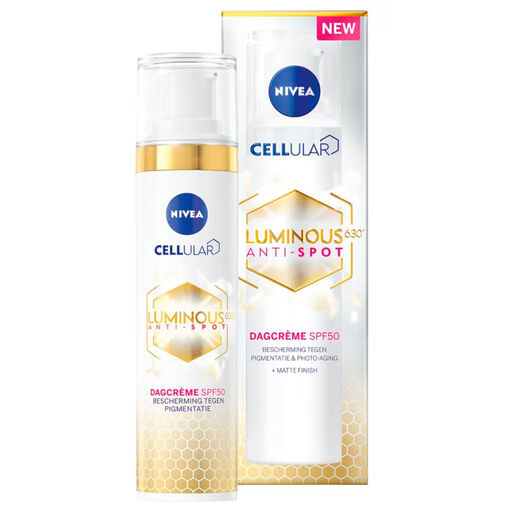
Why This Fits Their Persona: For anyone who wants to reduce existing sun-induced dark spots and prevent the formation of new ones. This is a targeted approach in a single product.
This product combines a high SPF 50 with a specific active ingredient, so you don't have to guess whether your sunscreen is doing enough against dark spots.
Contains the NIVEA-patented ingredient Luminous630 (Thiamidol), which the manufacturer claims works at a cellular level to balance melanin production.
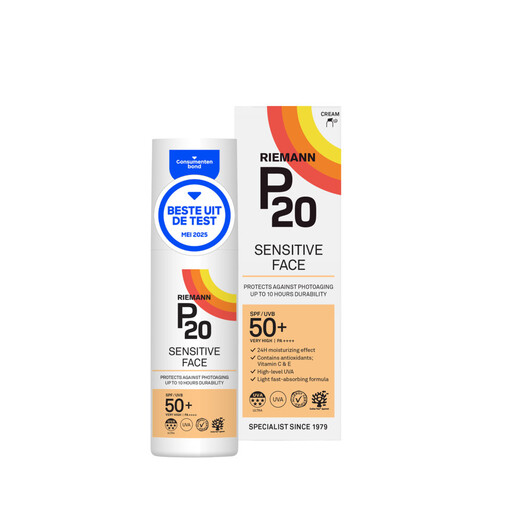
Why This Fits Their Persona: A reliable choice for **sunscreen for sensitive skin** that reacts quickly to fragrance or other irritants. This cream focuses on high, long-lasting protection without unnecessary additives.
By using a fragrance-free formula, the risk of irritation, redness, and itching—a common complaint with sunscreens—is significantly reduced.
Offers broad-spectrum UVA and UVB protection and is very water-resistant. The formula is developed to minimize the risk of allergies.
We've compiled a complete, up-to-date list of products that fully meet these strict selection criteria and UK/EU regulations.
A common guideline is the 'two-finger rule'. Apply a line of sunscreen to your index and middle fingers, from the base to the tip. This amount is generally sufficient for your face and neck to achieve the protection factor stated on the packaging.
You can, but it's not always recommended. Sunscreens for the body are often thicker, greasier, and may contain ingredients that can clog the pores on the more sensitive facial skin, causing breakouts. Products specifically for the face have a lighter texture and are often non-comedogenic.
That depends on the product and your skin type. Many modern facial sunscreens contain hydrating ingredients like hyaluronic acid or glycerin. For an oily to normal skin type, this may be sufficient. If you have (very) dry skin, you might find it more comfortable to apply a hydrating cream first and use the sunscreen as the final step in your routine.
