
Vandaag of morgen in huis

Kwaliteit gegarandeerd

Welkomstaanbiedingen ontgrendelen: GRATIS bezorging | Tot 80% korting | Gratis 30 dagen JoyPlus-proefperiode
Download de app
A good facial sunscreen is the cornerstone of any skincare routine. Yet, the search is often challenging. The selection is vast, and the promises are grand. Many products feel sticky, leave a white cast, or cause breakouts. As a result, a bottle quickly ends up unused in the cabinet.
As a Product Recommendation Officer at Joybuy, I see the challenges consumers face daily. To help you find a product you'll actually want to use every day, we'll discuss the most common pitfalls and what you really need to look for.
The 3 pitfalls when choosing a facial sunscreen:
To ensure you make the right choice, it's helpful to pay attention to a few objective specifications. These determine whether a product is suitable for your skin and lifestyle.
The SPF (Sun Protection Factor) on the packaging indicates the level of protection against UVB radiation, the radiation that causes sunburn. For daily use in the UK, SPF 30 is a solid baseline, but a sunscreen with SPF 50 for the face offers higher and more durable protection, which is especially recommended if you want to prevent skin ageing.
Just as important is protection against UVA radiation. UVA rays penetrate deeper into the skin and are the primary cause of wrinkles and dark spots. Look for the UVA logo (the letters 'UVA' in a circle) on the packaging. This guarantees that the UVA protection is at least one-third of the stated SPF, as recommended by the European Union.
The texture determines whether you'll enjoy using a product and, therefore, whether you'll actually use it every day.
Modern sunscreen products are often more than just protection. They contain active ingredients that target specific skin concerns.
Based on formula, skin type compatibility, and specific features, we've highlighted a few products that cater to different needs.
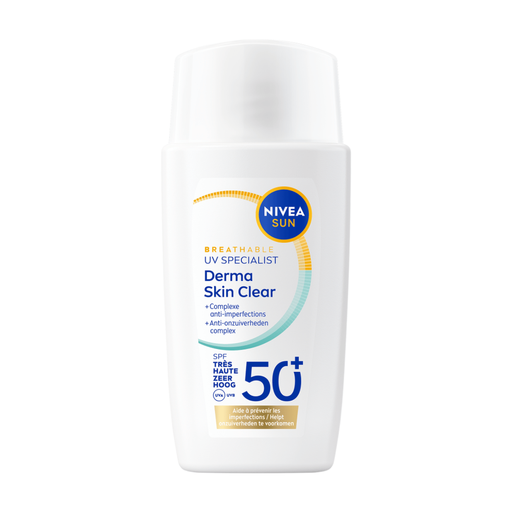
Why This Fits Their Persona: This fluid is specifically designed for oily and blemish-prone skin. The ultra-light texture absorbs quickly without leaving a sticky residue, making it a practical choice for daily use, even under makeup.
Tackles the "one-size-fits-all" pitfall. The formula with Niacinamide is non-comedogenic and, according to NIVEA, helps absorb excess sebum, which counteracts shine and blemishes.
Provides an 8-hour mattifying effect (according to an instrumental test by NIVEA) and an invisible finish, with no white cast.
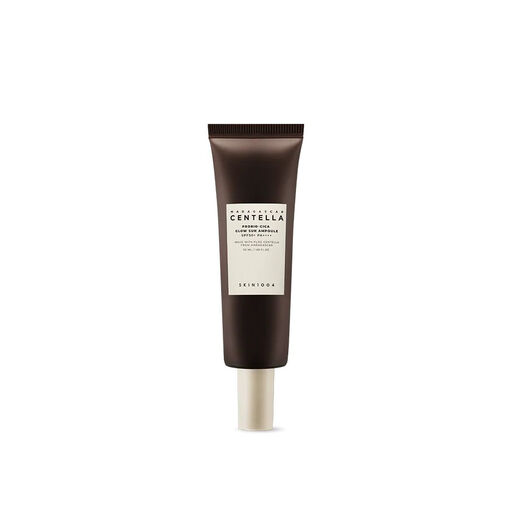
Why This Fits Their Persona: This Korean sunscreen combines high UV protection with intense hydration. The formula is focused on soothing and nourishing the skin, ideal for those who suffer from dryness or sensitivity.
This is more than just a sunscreen. It's a nourishing serum and sunscreen in one, which bypasses the "day cream with SPF" pitfall by offering both powerful protection and skincare benefits.
The watery, ampoule-like texture feels light and provides a 'glowy' finish, instantly giving dull, dry skin a healthy radiance. Contains Centella Asiatica extract, known for its calming properties.
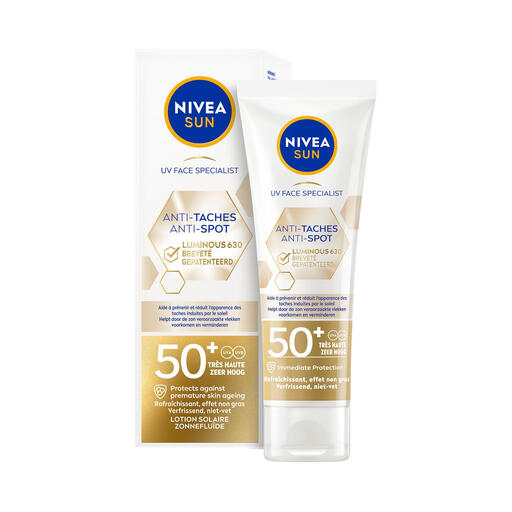
Why This Fits Their Persona: For those who want to not only protect their skin but also target existing sun-induced dark spots. This product combines high sun protection with an active ingredient aimed at achieving a more even skin tone.
This product goes beyond mere protection. It contains the patented ingredient Luminous630, which, according to NIVEA, helps to visibly reduce spots, making it a targeted solution rather than a generic sunscreen.
Offers a dual action: the high SPF 50+ protects against the formation of new spots, while the active ingredient targets existing ones. The lightweight formula does not feel greasy.
The right sunscreen is a personal choice. If the selections above don't perfectly match your needs, explore our full range.
1. How much sunscreen should I apply to my face? A common and practical guideline is the 'two-finger rule'. Apply a line of sunscreen to your index and middle fingers, from base to tip. This amount is typically sufficient for your face and neck to achieve the stated SPF protection.
2. Can I still use last year's sunscreen? Check the packaging for the 'Period After Opening' (PAO) symbol. This is an icon of an open jar with a number in it (e.g., '12M'). This number indicates how many months the product is good for after opening. If the texture, colour, or scent has changed, it's always best to replace the product.
3. Does a day cream with SPF work as well as a separate sunscreen? A day cream with SPF does offer protection, but only if you apply enough of it. A separate sunscreen, applied as the final step in your morning routine (before makeup), often provides more reliable and stable protection. Its formula is specifically designed to create a protective film over the skin that remains effective throughout the day.
