
Vandaag of morgen in huis

Kwaliteit gegarandeerd

Welkomstaanbiedingen ontgrendelen: GRATIS bezorging | Tot 80% korting | Gratis 30 dagen JoyPlus-proefperiode
Download de app
Finding a good facial sunscreen can feel like an impossible mission. The shelves are filled with promises, from an all-in-one day cream with SPF to formulas that guarantee an invisible finish. Yet, you often end up with a product that's too greasy, leaves a white cast, or causes breakouts.
As a Product Recommendation Officer at Joybuy, I see where things go wrong every day. Many choices are driven by marketing hype instead of what your skin truly needs. Let's break down the most common pitfalls so you can choose a product you'll actually want to use every single day.
The 2 biggest pitfalls when choosing a facial sunscreen:
sunscreen for oily skin requires a different formulation than one for dry or sensitive skin. A universal formula often leads to disappointment: a shiny forehead, tight-feeling cheeks, or irritation.Before you make a choice, there are a few objective specifications you need to check. These determine the sunscreen's effectiveness and comfort on the skin.
The Sun Protection Factor (SPF) indicates how well a product protects against UVB radiation, the rays that cause sunburn. An SPF 30 is a good baseline, but for daily use and optimal protection against skin ageing, an SPF 50 sunscreen is a wise choice.
Just as important is protection against UVA radiation. These rays penetrate deeper into the skin and are a major cause of wrinkles and pigmentation spots (anti-aging sunscreen). Look for products with the UVA logo (a circle with 'UVA' inside) or a PA rating (preferably PA+++ or PA++++). This guarantees broad-spectrum protection.
The texture and finish of a sunscreen are largely determined by the UV filters used. There are two main types:
sensitive skin but can sometimes make finding a sunscreen without a white cast difficult, especially for darker skin tones.Korean sunscreen formulas use modern chemical filters for a cosmetically elegant finish.A modern sunscreen does more than just protect. Look for ingredients that match your skin's needs:
mattifying sunscreen with ingredients like niacinamide (regulates sebum) or silica (absorbs excess oil).hydrating sunscreen with hyaluronic acid, glycerin, or ceramides helps maintain the skin's moisture balance.Based on objective specifications and formulas that cater to specific needs, we have highlighted a few popular choices.
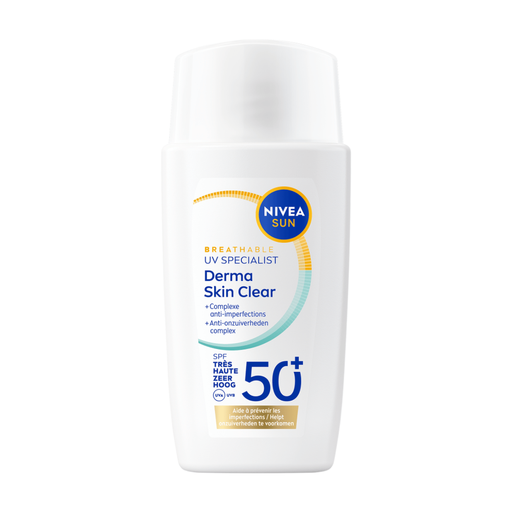
Why This Fits Their Persona: This person is looking for a lightweight, non-comedogenic sunscreen that won't make their skin shiny and helps prevent blemishes. The formula needs to feel comfortable for daily use, including under makeup.
This product breaks the "one-size-fits-all" pitfall by specifically targeting oily and blemish-prone skin. The formula is non-greasy and helps control shine.
Contains Niacinamide and an Anti-Blemish Complex. According to NIVEA, the formula absorbs excess sebum and provides an 8-hour mattifying effect.

Why This Fits Their Persona: This user, often a K-beauty fan, wants a sunscreen that feels like a luxurious, hydrating cream. A white cast, sticky feeling, or pilling under makeup is unacceptable.
This formula is the opposite of a thick, white sunscreen. Its lightweight, serum-like texture absorbs quickly and is specifically designed to be invisible on the skin.
Contains 30% rice extract and probiotics for hydration and soothing. The formula with chemical filters offers high SPF 50+ and PA++++ protection without a white cast.
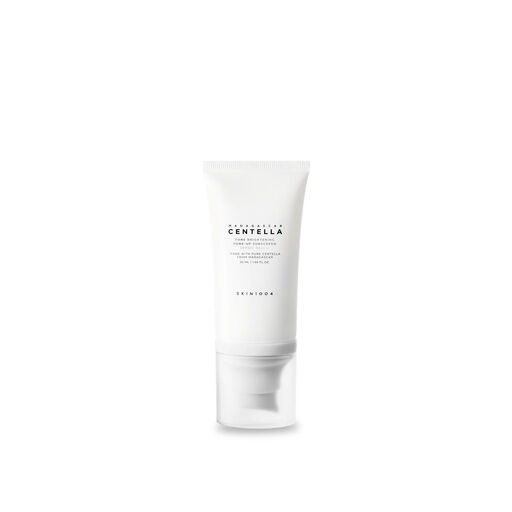
Why This Fits Their Persona: Someone with sensitive skin that is prone to redness. This person is looking for a calming product that protects while subtly evening out their skin tone, like a lightweight `tinted sunscreen`.
Instead of combining a heavy, full-coverage foundation with sunscreen, this product offers a light, breathable solution. It is specifically formulated for sensitive skin, unlike many generic tinted creams.
Combines mineral and chemical filters for SPF 50+ PA++++ protection. Contains calming Centella Asiatica Extract and brightening Niacinamide. The peach-coloured tint naturally evens out the skin tone.
We have compiled a complete, up-to-date list of products that fully meet these strict selection criteria and local regulations.
A common and practical guideline is the "two-finger rule". Squeeze a line of sunscreen onto your index finger and another onto your middle finger. This amount is typically sufficient for your face and neck to achieve the stated SPF protection. Applying too little is one of the most common mistakes.
That depends on your skin and the product. A hydrating sunscreen may be sufficient as the sole morning product for normal to oily skin. If you have drier skin, it is often more comfortable to apply your regular moisturiser first, followed by your sunscreen. The primary function of sunscreen is protection; that of a day cream is nourishment.
Traditionally, Korean sunscreen has a strong focus on cosmetic elegance: lightweight, serum-like textures that absorb quickly, leave no white cast, and are packed with skincare ingredients. They often use newer generations of chemical filters. Western brands, like NIVEA sunscreen, were known for robust, often water-resistant formulas, but in recent years have also been innovating with lighter, facial-specific products that are comfortable for daily use. The lines are blurring, but the emphasis on texture remains a hallmark of many K-beauty products.
