
Vandaag of morgen in huis

Kwaliteit gegarandeerd

Welkomstaanbiedingen ontgrendelen: GRATIS bezorging | Tot 80% korting | Gratis 30 dagen JoyPlus-proefperiode
Download de app
Finding the right sunscreen for your face can sometimes feel like an impossible task. The shelves are filled with products that promise the world, but in reality, often leave you with a sticky residue, a white cast, or breakouts. Many of these disappointments can be traced back to a few persistent marketing traps. Before you buy another tube that ends up forgotten in a drawer, let's first examine the most common pitfalls.
To avoid buyer's remorse, it's helpful to know which specifications truly matter. Pay attention to the following three points when making your choice.
Everyone knows SPF (Sun Protection Factor), which primarily protects against UVB rays (the rays that cause your skin to burn). An SPF 50 for the face is a solid choice for daily protection. But for an effective anti-aging sunscreen, protection against UVA rays is just as crucial. UVA rays penetrate deeper into the skin and are the main cause of premature skin aging.
The level of UVA protection is often indicated by the PA rating, especially on Korean sunscreen. Look for a product with PA++++ for the highest possible UVA protection.
Nobody wants a white or purple cast on their face. This is often caused by mineral filters (zinc oxide and titanium dioxide). Although they are very effective, especially for sensitive skin, older formulas can leave a visible layer.
Modern chemical filters and advanced mineral formulas are now so sophisticated that they provide a sunscreen without a white cast. They absorb quickly and feel lightweight, making them ideal for daily use.
Texture is a personal preference and depends on your skin type and lifestyle.
Based on these criteria, we have selected a number of products that suit specific needs.

Why This Fits Their Persona: This popular Korean sunscreen is perfect for those who want daily protection that feels like a lightweight moisturiser. The formula is ideal under makeup and for anyone who dislikes the typical 'sunscreen feel'.
This product bypasses the 'one-size-fits-all' trap. Its texture is specifically designed for the face: lightweight, hydrating, and with no white cast, making it a pleasure to use every day.
SPF50+ PA++++ protection. The formula, with rice extract and probiotics, hydrates and soothes the skin, and is fragrance-free.
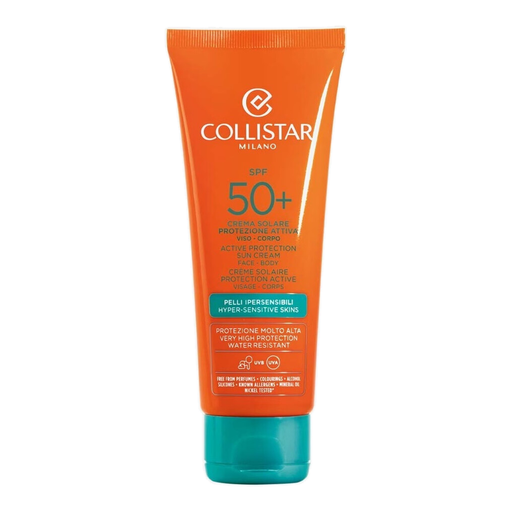
Why This Fits Their Persona: For those with reactive or very sensitive skin, a reliable and gentle formula is essential. This product is specifically designed for the most sensitive skin types, offering broad-spectrum protection.
This is no standard formula. According to the manufacturer, the product is specially formulated to help prevent rashes and sun intolerance, making it a targeted choice for sensitive skin.
Offers protection against UVA, UVB, and infrared radiation. The formula is water-resistant and suitable for both face and body.
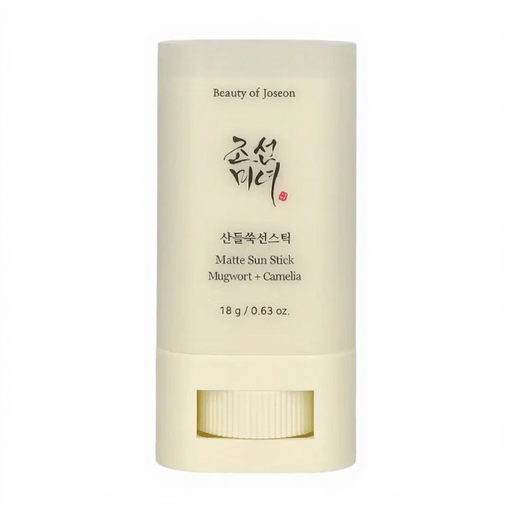
Why This Fits Their Persona: For those who are often on the go or wear makeup, reapplying sunscreen is a challenge. This sun stick offers the perfect solution: it's compact, hygienic, and easy to apply without any mess.
This product tackles the 'waterproof' myth by making reapplication incredibly easy. Its matte finish doesn't disturb makeup, allowing you to maintain your protection level throughout the day.
SPF 50+ PA++++. The formula, with sebum-controlling silica powder, provides a matte finish without a sticky residue. Ideal for oily and combination skin.
We have compiled a complete, up-to-date list of products that fully meet these strict selection criteria and local regulations.
A common guideline is the 'two-finger rule'. Apply a line of sunscreen to your index and middle fingers, from base to tip. This amount is generally sufficient for your face and neck. Applying too little product significantly reduces the stated SPF protection.
Yes, a sunscreen stick is perfectly suited for this. Preferably, choose a stick with a matte or transparent finish. Gently dab or swipe the stick over the skin instead of rubbing harshly to avoid shifting your makeup. It is one of the most practical ways to refresh your protection throughout the day.
Mineral (or physical) sunscreens use ingredients like zinc oxide and titanium dioxide to form a barrier on the skin that reflects UV rays. They work immediately upon application and are often recommended for sensitive skin. Chemical sunscreens absorb into the skin and convert UV rays into heat. They are often lighter in texture and do not leave a white cast. Modern formulas sometimes combine both types of filters for optimal protection and cosmetic elegance.
