
Vandaag of morgen in huis

Kwaliteit gegarandeerd

Welkomstaanbiedingen ontgrendelen: GRATIS bezorging | Tot 80% korting | Gratis 30 dagen JoyPlus-proefperiode
Download de app
Finding a good facial sunscreen can feel like an impossible mission. The shelves are filled with promises, but the reality is often different: a sticky layer, an unflattering white cast, or a formula that causes breakouts. It's a frustrating waste of money when a product doesn't live up to its claims.
Before you buy another tube that ends up in the back of your cabinet, let's uncover the most common pitfalls:
By recognising these pitfalls, you can search more effectively for a product that truly suits you.
To avoid making the wrong purchase, it's helpful to know which specifications really matter. Focus on these three points, and you'll filter out 90% of unsuitable options.
The Sun Protection Factor (SPF) indicates how well a product protects against UVB radiation, the rays that cause sunburn. An SPF 50 sunscreen filters about 98% of UVB rays, while SPF 30 filters around 97%. For daily use, SPF 30 is often sufficient, but for fair or sensitive skin, or on sunnier days, SPF 50 provides that extra bit of security.
However, also look for the term broad-spectrum. This means the sunscreen also protects against UVA rays. UVA radiation penetrates deeper into the skin and is the primary cause of premature skin ageing, such as wrinkles and dark spots. Without UVA protection, you're only halfway protected.
Your skin type is the most important factor when choosing a facial sunscreen.
The texture determines whether you'll enjoy using a sunscreen every day. Modern formulas are light-years away from the thick creams of the past. Look for terms like "fluid," "serum," or "invisible."
A sunscreen without a white cast is easy to find these days, especially from brands that use advanced filter technology. In particular, Korean sunscreens are known for their lightweight, cosmetically elegant textures that absorb quickly and work perfectly under makeup.
Based on objective specifications and various user profiles, we have selected several products that successfully avoid the pitfalls mentioned above.
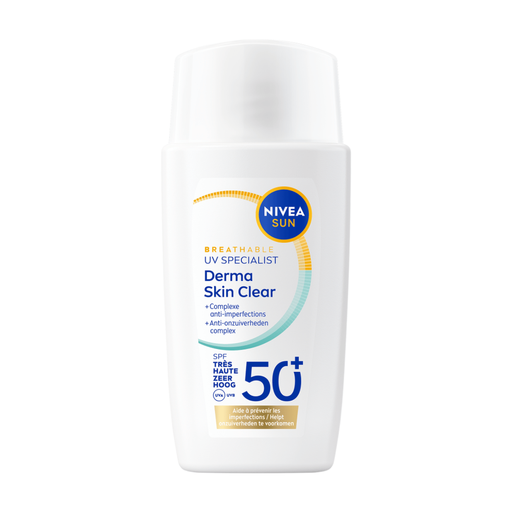
Why This Fits Their Persona: Specifically developed for oily and blemish-prone skin. The formula helps prevent impurities and provides a long-lasting matte effect, ideal for those who quickly develop a shiny T-zone.
This non-comedogenic fluid doesn't clog pores and prevents the shiny, sticky layer that many sunscreens leave on oily skin.
Contains Niacinamide and an Anti-Blemish Complex that absorbs excess sebum. According to NIVEA, it provides an 8-hour mattifying effect.
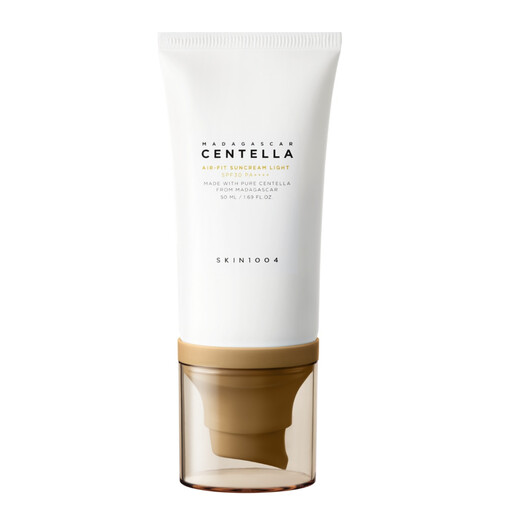
Why This Fits Their Persona: Ideal for those with sensitive skin who prefer soothing, lightweight formulas from Korean skincare. The focus is on skin comfort and protection without irritation.
This sunscreen is specially formulated for sensitive skin and uses soothing Centella Asiatica to minimise irritation, unlike 'one-size-fits-all' formulas.
Airy, non-greasy texture that absorbs quickly without leaving a white cast. The formula is enriched with soothing Centella Asiatica from Madagascar.
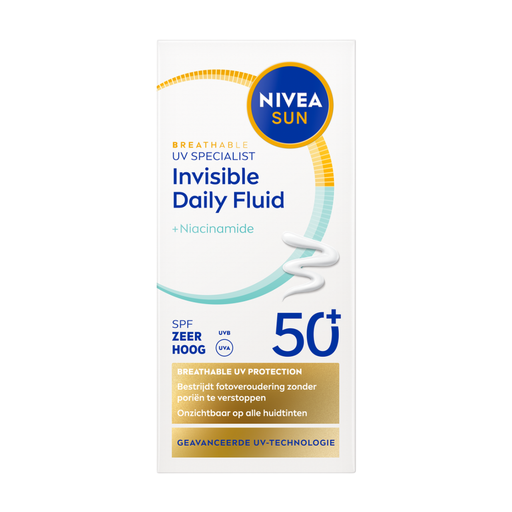
Why This Fits Their Persona: Perfect for those who want to wear sun protection daily, even under makeup, without feeling or seeing it. The ultra-light texture makes it an effortless step in the morning routine.
This fluid is designed to be invisible on all skin tones and absorbs instantly. It completely avoids the dreaded white cast and sticky feeling.
Ultra-light, non-greasy formula that leaves no white residue. Suitable for under makeup and provides a matte effect.
We have compiled a complete, up-to-date list of products that fully meet these strict selection criteria and current regulations.
A common guideline is the two-finger rule. Apply a line of sunscreen to your index and middle fingers, from base to tip. This amount is generally sufficient for your face and neck. Applying too little significantly reduces the stated SPF protection.
Technically, you can, but it's often discouraged. Body sunscreens are typically thicker, greasier, and may contain ingredients that can clog facial pores (comedogenic). Products specifically for the face have a lighter texture, are designed to be non-irritating, and work better with other skincare or makeup.
Yes. Even on a cloudy day or in winter, UVA radiation reaches your skin. These rays are the main cause of skin ageing, such as wrinkles and dark spots. By using a broad-spectrum sunscreen every day, you effectively protect your skin from this invisible damage all year round. Consider it one of the most important steps in your anti-ageing routine.
