
Vandaag of morgen in huis

Kwaliteit gegarandeerd

Welkomstaanbiedingen ontgrendelen: GRATIS bezorging | Tot 80% korting | Gratis 30 dagen JoyPlus-proefperiode
Download de app
A new facial skincare routine often starts with a serum, cream or eye product. But attractive packaging is no guarantee that a product is right for your skin. With Korean skincare, vitamin C serums, retinol serums and products for dark spots, marketing claims and practical suitability can easily get mixed up.
So, look out for these three common pitfalls:
With a facial serum, it’s important to look beyond the ingredient name. Check its form and, if stated, its concentration too.
A product may be technically interesting but impractical if you use it too often or incorrectly. These points are important when using active ingredients:
A 15 ml product and a 55 ml product may look similar at first, but they differ in how long they’ll last and their price per millilitre. Also check:
Moisturising facial skincare with glycerine, hyaluronic acid, panthenol, ceramides or squalane may suit dry or dehydrated skin. Oily or blemish-prone skin may prefer a light, non-sticky texture. This still depends on the formula as a whole.
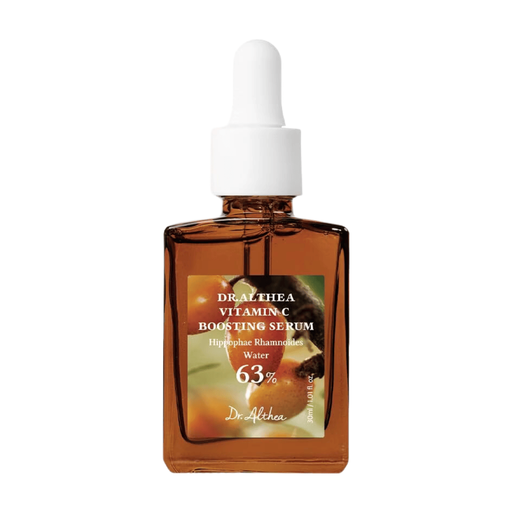
Why it suits this profile: Its light texture and 30 ml size make this a straightforward choice if you’re new to vitamin C serums.
The product description names the form of vitamin C used and warns about sun exposure. This makes it easier to assess the formula than relying on the term “brightening” alone.
According to the ingredients list, it contains niacinamide, tranexamic acid, hyaluronic acid and vitamin C derivatives. Use sun protection during the day.
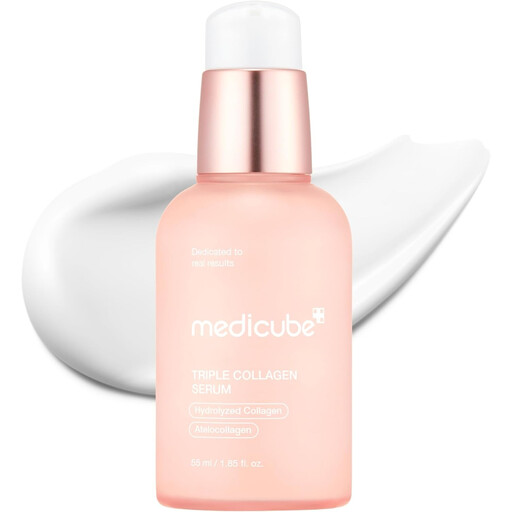
Why it suits this profile: Its 55 ml size and blend of humectant ingredients make it a good fit if you’re looking for a more generous serum for everyday use.
You can check the ingredients list: alongside collagen, it includes niacinamide, hyaluronic acid and glycerine, among other ingredients. The brand’s claim about firmness remains a product claim.
55 ml size; according to the product information, it contains several forms of collagen, niacinamide and hyaluronic acid. The formula also contains fragrance and denatured alcohol.
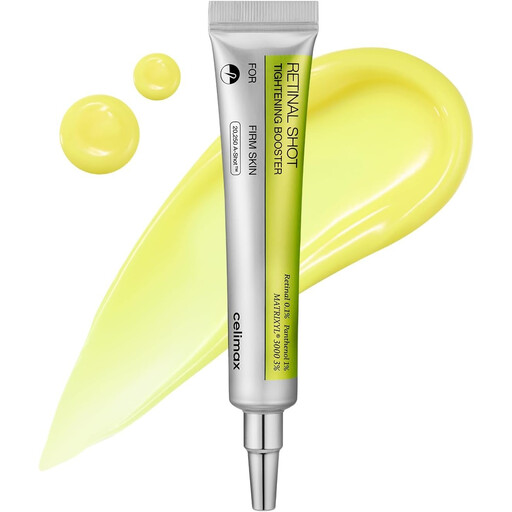
Why it suits this profile: This is aimed at users who have deliberately chosen retinal and can follow a gradual build-up in their evening routine.
The instructions advise starting with every other evening for the first two weeks, using a small amount and applying sunscreen during the day.
According to the product information, it contains 0.1% retinal and 3% Matrixyl 3000. For evening use only; don’t use on or around the eyes unless the instructions say to.
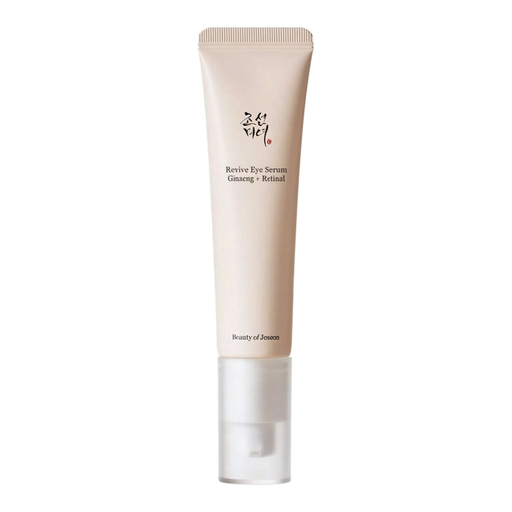
Why it suits this profile: A good choice if you’re looking for an eye serum that, according to the product information, can also be used on the face.
The product information clearly explains how to apply it around the eyes and warns against eye contact. This makes its intended area of use clearer than that of a general facial serum.
30 ml size; according to the ingredients list, it contains ginseng, retinal, niacinamide, ceramide NP and sodium hyaluronate.
For most people, a short routine is easier to stick to than several layers of active ingredients:
Morning
Evening
Don’t use retinol and retinal every evening straight away. Alternate active products and give your skin time to respond. A product such as AXIS-Y TXA 2.5% Intensive Brightening Cream may interest anyone comparing tranexamic acid and niacinamide, while an azelaic acid and hyaluronic acid serum may be a better fit for a routine focused on uneven skin tone and hydration. Always check the latest ingredients list and warnings on the packaging.
We’ve put together a complete, up-to-date list of products that meet these strict selection criteria and the current European safety requirements.
One serum is usually enough for a simple routine. Start by choosing your main concern, such as hydration, dull-looking skin or uneven skin tone. Using several active serums at once increases the risk of irritation and makes it harder to work out which product is having an effect.
Check the use-by date and the period-after-opening symbol on the packaging. Store products containing vitamin C, retinol or retinal according to the instructions, often away from direct sunlight and heat. A change in smell, colour or texture may be a reason to stop using the product.
Korean skincare is a broad category, covering everything from gentle hydrating products to formulas containing retinal, acids, fragrance or essential oils. So, don’t judge by the country of origin alone: check the ingredients, how often to use the product and any warnings. Introduce one new product at a time and, ideally, carry out a patch test first.
