
Vandaag of morgen in huis

Kwaliteit gegarandeerd

Welkomstaanbiedingen ontgrendelen: GRATIS bezorging | Tot 80% korting | Gratis 30 dagen JoyPlus-proefperiode
Download de app
A good facial skincare routine doesn't need to involve lots of products. Yet it can be tricky to work out which face serum, which day cream or which night cream really suits your skin. Marketing copy often focuses on quick results, luxury ingredients or impressive percentages. The practical information – such as skin type, texture, how often to use it and any potential fragrance ingredients – is sometimes less prominently displayed.
With this guide, you can compare products based on verifiable features. That way, you can make a more targeted choice for hydration, a more even complexion, firming or caring for sensitive skin.
Terms like "anti-ageing", "firming" and "radiant" often describe the aim of a product, but not a guaranteed outcome. According to a brand's own research, certain improvements may be visible in some users. That doesn't mean the same result is guaranteed for every skin type.
So pay attention to the concrete product information:
An oil serum or a rich cream can feel pleasant on dry skin, but less comfortable on combination or oilier skin. A light gel, on the other hand, may not provide enough comfort when your skin feels tight quickly.
Don't just look at the term "hydrating" – also consider the consistency. Glycerin, hyaluronic acid and panthenol are often used in hydrating formulas. Oils, shea butter and silicones give a richer feel on the skin. The right combination depends on your preference and your skin's needs.
A product for sensitive skin isn't automatically free of all substances that can cause irritation for some people. So always check the full ingredients list. Fragrance, essential oils, alcohol denat. and certain preservatives may be less suitable for some users.
When trying a new serum for sensitive skin, first do a patch test on a small area of skin. Stop using it if you experience persistent redness, itching or a burning sensation, and follow the safety information on the packaging.
Start with one main question: what do you want to achieve with your routine? Examples include:
An ingredient name is not a quality guarantee in itself. Pay attention to its position in the ingredients list, the usage instructions and any warnings. A vitamin E skincare product, for example, may contain tocopherol or tocopheryl acetate. Niacinamide appears in different concentrations and product types, from serum to day cream.
Also note the difference between skincare and food supplements. Lucovitaal Vitamin E 400IU is a supplement and not a cream or serum for external use. It therefore doesn't belong in a standard facial skincare routine.
A pump bottle limits contact with the contents and can be handy for daily use. A jar requires hygienic use with clean hands. After opening, check the symbol showing, for example, 6M or 12M and follow the instructions on the packaging. Store products in a cool, dry place away from direct sunlight, unless the manufacturer gives different instructions.
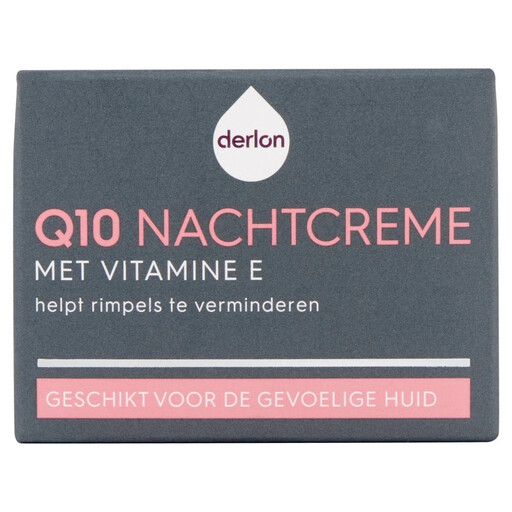
Why this fits the profile: A straightforward night cream for anyone who wants to keep their evening routine simple. The cream is suitable for the face, neck and décolletage.
The product description clearly lists shea butter, vitamin E, glycerin and hyaluronic acid. This allows you to assess the formula without relying solely on an anti-ageing claim.
50 ml, use in the evening and, according to the product data, suitable for combination skin.
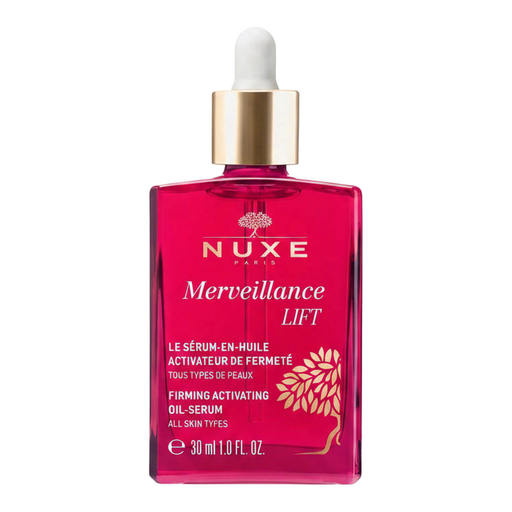
Why this fits the profile: An oil serum for anyone seeking a more luxurious feel on the skin and targeted care for a more mature complexion.
The texture is described as non-greasy and non-sticky. The claim of 32% more firmness is based on Nuxe's own research and is not a guaranteed result.
30 ml, three drops per use according to the instructions, and application to the face, neck and décolletage.
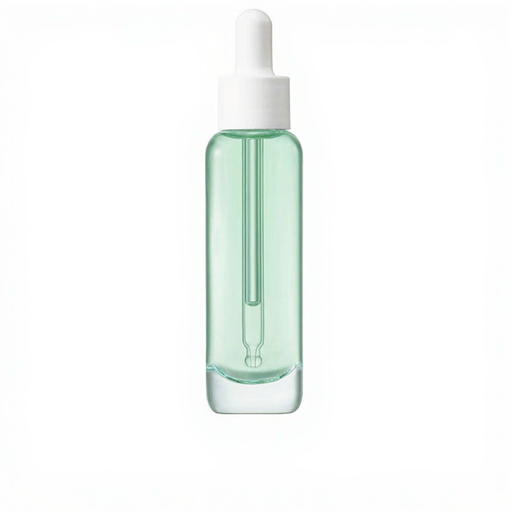
Why this fits the profile: Aimed at users with dry skin who want to apply a light serum layer under their moisturiser.
The instructions advise applying a small amount to clean skin, followed by moisturiser. If irritation occurs, stop using it and first do a patch test.
30 ml, light texture, glycerin, panthenol, beta-glucan and Icelandic moss extract in the ingredients list.
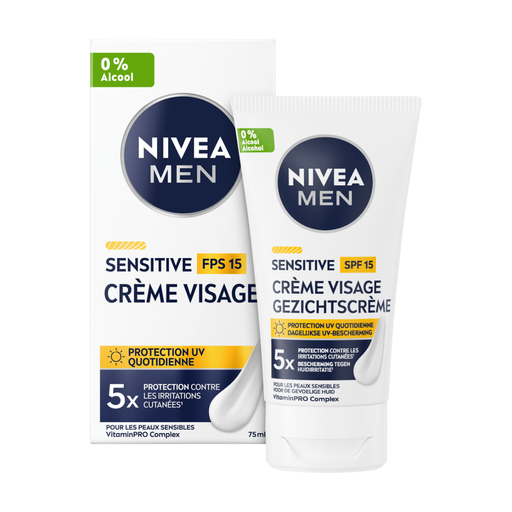
Why this fits the profile: A practical day cream for men who want to combine hydration and SPF 15 in one step.
The product information mentions an alcohol-free formula and a light texture. SPF 15 does not replace higher sun protection when that is needed.
75 ml, SPF 15, chamomile and vitamin E according to the ingredients list, with daily use application.
We've put together a full, up-to-date list of products that fully meet these strict selection criteria and comply with current European safety regulations.
A practical order for most routines is:
Don't combine several strong active products straight away. Introduce one new product at a time, so you can better assess how your skin reacts.
That depends on the instructions and the formula. Some serums are intended for morning and evening, others once a day. If you have sensitive skin, start with less frequent use and only increase it if your skin tolerates it well.
A serum usually has a lighter texture and is used as a targeted extra step. A face cream primarily helps to provide comfort and hydration. The two products can complement each other, but you don't always need both.
Check the expiry date and the period-after-opening symbol on the packaging. A product marked 6M is generally intended for use within six months of opening; for 12M, that's twelve months. If the smell, colour or texture changes significantly, check the packaging and usage advice before applying it again.
