
Vandaag of morgen in huis

Kwaliteit gegarandeerd

Welkomstaanbiedingen ontgrendelen: GRATIS bezorging | Tot 80% korting | Gratis 30 dagen JoyPlus-proefperiode
Download de app
Starting a new skincare routine seems simple: buy a cleanser, serum and cream, and you’re done. In practice, many people end up with several products in the bathroom that aren’t suited to their skin type. Dry skin still feels tight, sensitive skin reacts to fragrance, and oily skin feels weighed down by overly rich textures.
The main problems often come down to three common pitfalls:
So a good purchase starts not with the packaging, but with your skin’s needs and the product details.
A gel cream is usually a good choice for combination or oily skin, while a richer cream or facial oil may be better suited to dry skin. If you have dehydrated skin, look for hydrating ingredients such as glycerine, panthenol, sodium hyaluronate and different forms of hyaluronic acid.
A product described as suitable for all skin types won’t necessarily suit everyone. Always check the full ingredients list and take your personal sensitivities into account.
When choosing a face serum or ampoule, the formula matters more than the promise on the front of the packaging. For example:
Remember that a brand’s claim isn’t the same as a result proven to apply to everyone. For example, according to SKIN1004’s product description, the Hyalu-Cica range contains centella, niacinamide and hyaluronic acid. This describes the formula, but it doesn’t mean every skin type will respond in the same way.
An SPF face cream can simplify your morning routine. Check the level of protection, how much to apply and whether the product is intended for daily use. NIVEA’s product description states that it has SPF50+ and is fragrance-free. However, sensitive skin may still react differently to a product with alcohol denat. high on the ingredients list.
If you have sensitive skin, it’s wise to do a patch test. Apply a small amount to a small area of skin and stop using the product if you experience redness, a burning sensation, itching or swelling. Don’t use products on damaged or irritated skin, and always follow the instructions on the packaging.
A simple routine consists of:
When caring for dry skin, applying products in layers is often more practical than using one very rich product. A light serum under a cream may feel more comfortable. If you have oily skin, an oil-free gel cream may suit you better than a heavy facial oil. If you’d like to try Korean skincare, it’s a good idea to start with one ampoule or serum rather than buying an extensive routine straight away.
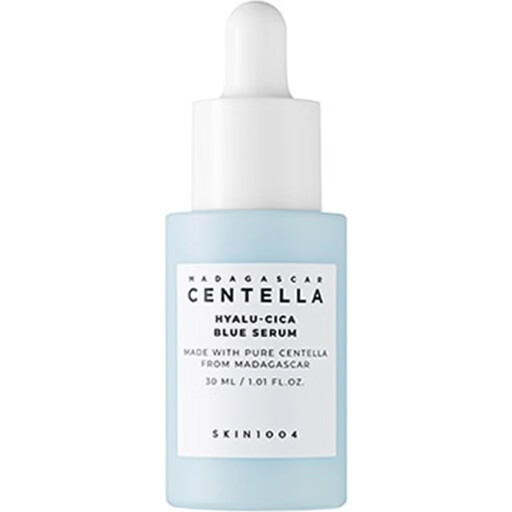
Why it suits this profile: A lightweight serum for anyone looking to start hydrating their skin without buying several products straight away. The product description says it’s suitable for normal, combination and sensitive skin.
The product information describes a gel-like, non-greasy texture and five molecular weights of hyaluronic acid. This gives you more specific details to consider than a general “glow” claim alone.
50 ml; contains glycerine, niacinamide, panthenol, ceramide NP and various forms of hyaluronic acid.
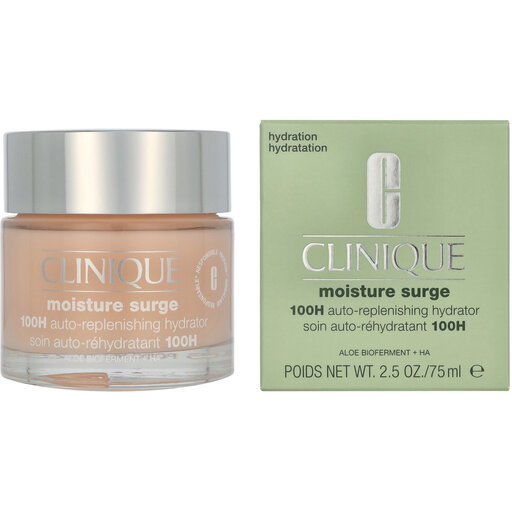
Why it suits this profile: A good choice if you’re looking for a versatile gel cream to use in the morning or evening, under make-up or as a quick hydrating mask.
The product description specifies that this is an oil-free, fragrance-free and non-comedogenic gel cream. This makes it easier to compare the texture and formula before you buy.
75 ml; gel cream; described as suitable for dry, very dry, combination and oily skin.
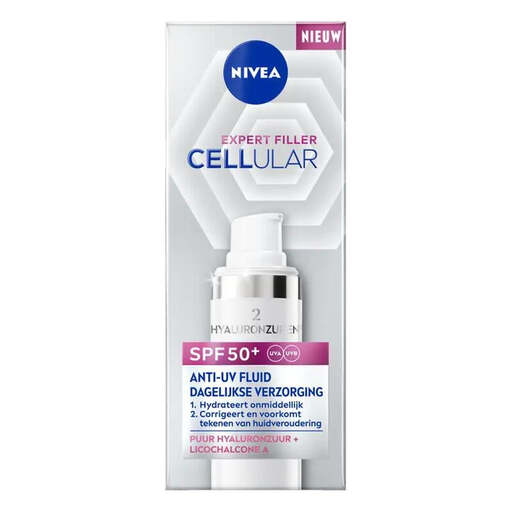
Why it suits this profile: For anyone looking to combine hydration and daily UV protection in one morning product.
The product details state the SPF rating, the fragrance-free claim and the presence of alcohol denat. This lets you weigh up the protection and any potential sensitivities side by side.
SPF50+; 30 ml; contains two forms of hyaluronic acid, according to the product description.
We’ve put together a complete, up-to-date list of products that meet these strict selection criteria and current European safety regulations.
Choose a combination of hydrating ingredients and a cream that won’t evaporate straight away or leave your skin feeling tight. Glycerine, hyaluronic acid, panthenol, ceramides and facial oil can all be useful in a skincare routine. Apply serum to slightly damp skin, then use a cream to finish your routine.
It depends on the product, your skin type and what you’re hoping to achieve. A hydrating product can make your skin feel more comfortable quickly, while changes to its appearance or texture may take longer. Timeframes quoted in a brand’s own research or claims aren’t a guarantee for every user. Stop using a product if irritation occurs, and don’t change several products at once; otherwise, it can be difficult to work out what’s affecting your skin.
A face cream with SPF may be suitable for everyday use, but the protection you get depends on how much you apply and the conditions you’re in. Check the instructions on the packaging and reapply if you’re spending a long time outdoors, sweating or swimming. An SPF product doesn’t replace other protective measures such as seeking shade, wearing clothing and using sunglasses.
