
Vandaag of morgen in huis

Kwaliteit gegarandeerd

Welkomstaanbiedingen ontgrendelen: GRATIS bezorging | Tot 80% korting | Gratis 30 dagen JoyPlus-proefperiode
Download de app
A good facial skincare routine doesn’t have to involve ten steps. The tricky part is usually finding products that suit your skin type, daily habits and preferred texture. Dry skin needs something different from oily or sensitive skin. And a moisturising face cream with SPF isn’t automatically enough to protect your face from the sun during prolonged exposure.
If you choose products based only on claims such as “light”, “natural” or “for all skin types”, you could easily end up with something that doesn’t feel comfortable or sits unused in your bathroom.
An SPF 50 face sunscreen is designed to offer a high level of protection against UV radiation, as stated on the product listing. That doesn’t mean you won’t need a separate face cream. Some sunscreens are moisturising, but their texture may not suit dry or sensitive skin.
An SPF 30 sunscreen may be suitable for everyday use with limited sun exposure, but always check the label, UVA marking and directions for use. Apply enough product and reapply as directed on the packaging, especially after swimming, sweating or drying yourself.
A gel cream often feels comfortable on oily skin or combination skin, but may not feel moisturising enough for dry skin. Conversely, a rich face cream may feel heavy or look shiny on oilier skin.
So don’t just go by the product name. Check the texture, ingredients and recommended skin type too. Glycerine, panthenol, hyaluronic acid and squalane are often used in moisturising formulas. However, they aren’t the only factors that determine how a product works on your skin; the overall formulation and the amount you use matter too.
Vegan skincare, fragrance-free skincare and alcohol-free formulas may suit your personal preferences. However, these claims don’t automatically mean a product is suitable for everyone. Plant extracts can also cause irritation for some people.
Check the full ingredients list and test a new product on a small area of skin first. Stop using it if you experience redness, itching, a burning sensation or swelling, and follow the safety information on the packaging.
SPF refers to the stated level of protection against UVB radiation. Also look for a UVA symbol or a clear UVA claim. Apply plenty of face sunscreen to your face, neck and other exposed areas. Make-up with SPF or a BB cream with SPF 15 can be an extra layer, but isn’t necessarily a substitute for a separate sunscreen when you’re spending a long time outdoors.
Niacinamide is often included in formulas designed to promote a more even-looking complexion and help control sebum. Centella Asiatica is used in Korean skincare, with the ingredient positioned as a skin-conditioning agent. According to SKIN1004’s product information, the Brightening Capsule Cream contains 60% Centella Asiatica extract, niacinamide and tranexamic acid. These are verifiable details about the formulation; results may vary from person to person.
Also check for fragrance. A product may smell pleasant, but if you prefer to avoid fragrance, choose one that is explicitly labelled fragrance-free.
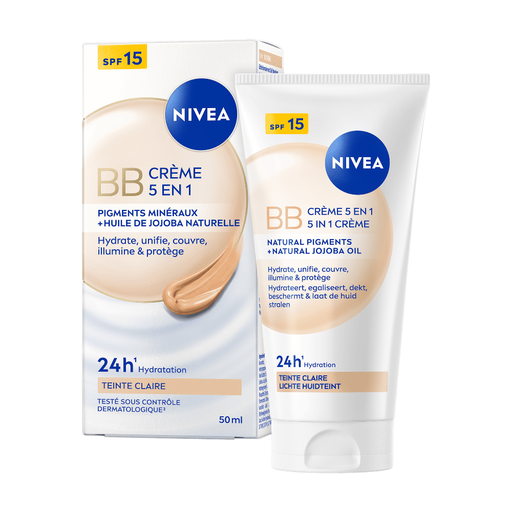
Why it suits this profile: A practical first step for anyone looking to combine moisturising care, a light tint and a modest SPF in one product.
The product specifications clearly state SPF 15, a light tint and a 50 ml size. This makes it clear how it differs from a full SPF 30 or SPF 50 sunscreen.
Jojoba oil, glycerine, a subtle tint and SPF 15, according to the product information. The formula does contain fragrance.
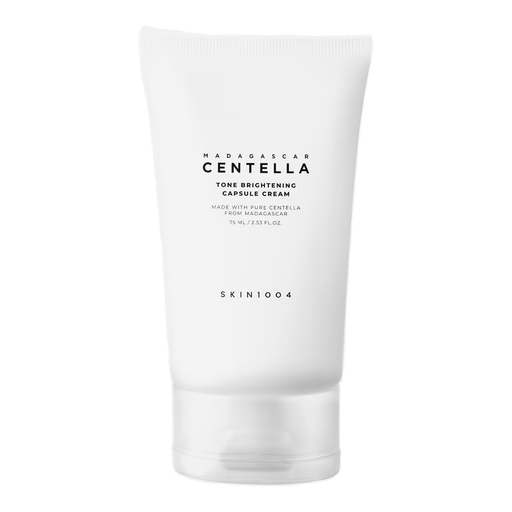
Why it suits this profile: A fragrance-free Korean skincare option for anyone looking for a light everyday cream with a detailed ingredients list.
The formula and claims are clearly stated: 60% Centella Asiatica extract, niacinamide, panthenol and fragrance-free. According to the product information, the cream is suitable for several skin types; individual tolerance still matters.
75 ml, vegan according to the product information, and free from fragrance and alcohol. The gel cream also contains squalane and sodium hyaluronate.
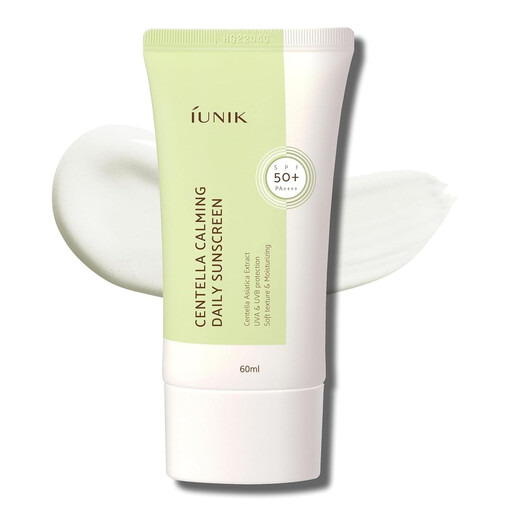
Why it suits this profile: For anyone looking for everyday sun protection with a light, non-sticky texture and willing to reapply it regularly.
The product information states SPF 50+, UVA/UVB protection, fragrance-free use and reapplication after two hours or after swimming and sweating.
60 ml, vegan according to the product listing, fragrance-free and designed as a light everyday sunscreen for the face.
We’ve put together a complete, up-to-date list of products that meet these strict selection criteria and current European safety regulations.
Cleanse your face first, then apply a serum if you use one, and finish with a face cream. During the day, face sunscreen is the final step in your skincare routine. Give each product a little time to settle and check that the combination doesn’t pill under make-up.
Follow the expiry date and the period-after-opening symbol on the packaging. Store facial skincare products in a cool, dry place, away from direct sunlight. Has the smell, colour or texture changed? It’s best not to use the product, even if it hasn’t reached its expiry date.
It depends on your sun exposure, the season, your location and your skin type. Many people opt for SPF 50 when they’re spending longer periods outdoors. For short periods outside each day, SPF 30 may be suitable, as long as you apply enough and reapply as directed. A BB cream with SPF 15 is primarily a tinted skincare product, and isn’t an automatic substitute for a separate sunscreen.
