
Vandaag of morgen in huis

Kwaliteit gegarandeerd

Welkomstaanbiedingen ontgrendelen: GRATIS bezorging | Tot 80% korting | Gratis 30 dagen JoyPlus-proefperiode
Download de app
A new facial skincare routine sounds simple: add a facial cleanser, serum and face cream to your basket, and you’re done. Yet many people buy products that do not suit their skin type or daily habits. For example, a rich cream may feel comfortable on dry skin but too heavy on oily skin. And a product containing lots of active ingredients is not automatically suitable for sensitive skin.
Pay particular attention to these three common pitfalls:
For dry skin, creamy products containing glycerine, oils, shea butter or hyaluronic acid are often a good fit. A cleansing milk may feel less tight than a foaming facial cleanser.
For oily or blemish-prone skin, a lightweight gel or water-based texture is often more practical. Check whether the product is intended for shiny, blemish-prone or combination skin. A matte finish is a product feature, not a guarantee that blemishes will disappear.
Sensitive skin requires extra care when it comes to fragrance and active ingredients. Ideally, choose a short routine and test a new product on a small area of skin first. Stop using it if you experience redness, itching or a burning sensation.
Do not just look for popular ingredients on the front of the packaging. Also check for:
According to the product description, NIVEA Caring Cleansing Milk contains, among other ingredients, glycerine, argan oil, shea butter and sodium hyaluronate. The formula is described as vegan, and 96% of its ingredients are of natural origin. Always check the current packaging when your order arrives, as ingredients may change.
The ANUA Azelaic Acid 10 Hyaluron Redness Soothing Serum explicitly states that 10% azelaic acid may cause dryness or flaking. The instructions therefore recommend introducing it gradually, for example once or twice a week. This is an important example of why a higher percentage is not automatically the more suitable choice.
A large bottle of micellar water can offer good value if you use it every day. For occasional make-up removal, a smaller make-up remover may be more practical. Also check:
Micellar water can be useful for removing make-up, SPF and dirt, but not every product needs to serve the same purpose. An eye make-up remover, for example, is designed to remove mascara and eye make-up. A face mask is generally an additional step and does not replace daily cleansing or moisturiser.
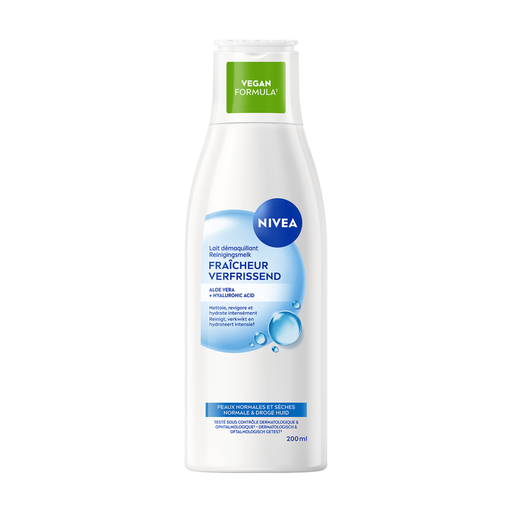
Why it suits this profile: A simple cleansing milk for anyone looking to build a basic daily routine without buying several products at once. The product description states that it is suitable for all skin types and contains 200 ml.
The instructions are clear: massage in and remove with a cotton pad or water. This means you do not need a complicated combination of cleansing products.
200 ml, a vegan formula according to the product information, 94% ingredients of natural origin and a bottle described as 99% recyclable.
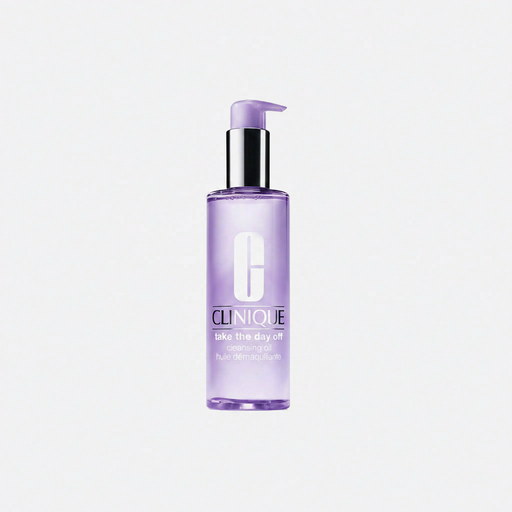
Why it suits this profile: Suitable for anyone who regularly wears long-lasting eye and lip make-up and wants to use a separate make-up remover.
The instructions explain that you apply the product to a dry face and then emulsify it with warm water. This helps prevent incorrect use of an oily texture.
200 ml, suitable for all skin types according to the product information, and described as ophthalmologically tested.
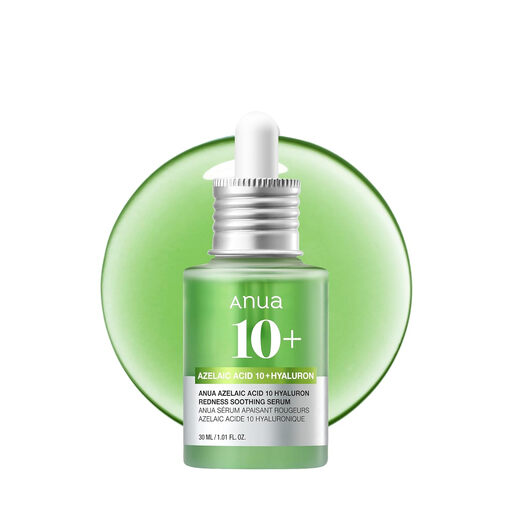
Why it suits this profile: For anyone deliberately looking for a serum with a stated percentage of azelaic acid and willing to introduce it gradually.
The product information mentions patch testing, gradual introduction and using sun protection during the day. This helps set more realistic expectations.
30 ml, 10% azelaic acid, hyaluronic acid, panthenol and ceramide NP according to the listed ingredients.
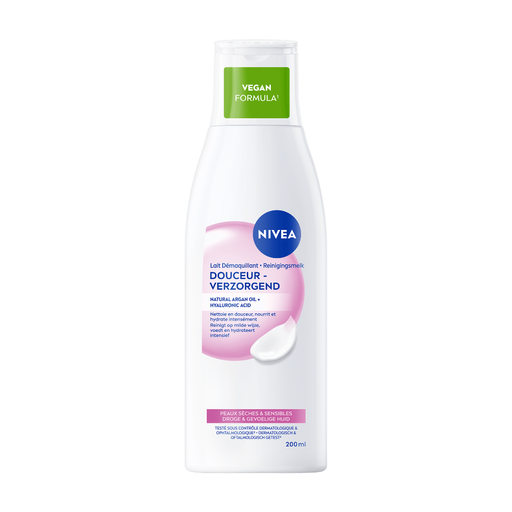
Why it suits this profile: A creamy facial cleanser for anyone who wants to remove make-up without using a foaming cleanser. According to the product description, this variant was developed for dry and sensitive skin.
The product information specifies the skin type, texture and presence of fragrance. This makes it easier to assess in advance whether the formula suits your preferences.
200 ml, argan oil and sodium hyaluronate in the ingredients list, plus a vegan formula according to the product description.
We have put together a complete, up-to-date list of products that fully meet these strict selection criteria and the applicable European safety regulations.
A practical routine does not need to involve lots of steps:
This depends on the product size, the amount used each time and how frequently you use it. Check the expiry date and the symbol indicating the period after opening on the packaging. A product with a pump or a secure cap may also be more practical for everyday use. Do not continue using a product if its smell, colour or texture changes noticeably.
That depends on the product and how you use it. Some micellar waters are designed to remove dirt, make-up and SPF without rinsing. With heavy make-up or oily skin, a second cleansing step may feel more comfortable. Always follow the instructions for use and avoid rubbing hard around the eyes.
Choose a short routine and introduce as few new products as possible at the same time. Check the complete ingredients list and look out for fragrance, fragrance ingredients and high concentrations of active ingredients. A product described by the brand as gentle or dermatologically tested is still a product claim; your own skin’s reaction is what matters. Test it carefully and stop using it if irritation occurs.
