
Vandaag of morgen in huis

Kwaliteit gegarandeerd

Welkomstaanbiedingen ontgrendelen: GRATIS bezorging | Tot 80% korting | Gratis 30 dagen JoyPlus-proefperiode
Download de app
Starting a new facial skincare routine sounds simple: cleanser, serum, cream and sun protection. Yet many people buy products that do not suit their skin or daily routine. A rich cream may feel comfortable on dry skin, for example, but be too heavy for oily or combination skin. A long ingredients list also does not automatically mean that a product is a better match for you.
When comparing products, watch out for these three common pitfalls:
A product should suit how your skin feels as well as your personal preferences. For oily or combination skin, a watery ampoule, essence or lightweight facial fluid is often easier to use every day than a heavy balm. Dry skin may benefit more from a hydrating cream containing glycerine, hyaluronic acid, dimethicone or occlusive ingredients.
If you have sensitive skin, do not rely solely on the label “mild”. Check the ingredients list for fragrance, alcohol denat. and known allergens. “Dermatologically tested” means that a brand has carried out a test; it is not a guarantee that everyone can use the product without a reaction.
A facial serum or ampoule is usually more concentrated and lighter than a cream. Choose one main concern:
When trying a new active product, start with a small amount and test it on a limited area of skin first. Do not use a product on damaged, irritated or sunburnt skin if the packaging advises against it.
For daily protection, SPF50 facial sunscreen is a sensible choice if you spend a lot of time outdoors, burn easily or want extra UV protection. SPF is a European standardised indication of protection against UVB. Also check whether the packaging mentions UVA protection.
A sun fluid often feels lighter than a traditional sun cream. Apply facial sunscreen as the final step in your morning routine and spread it over your neck and ears as well. Reapplication is necessary after swimming, sweating or drying yourself. A product with SPF 25, such as Clinique Moisture Surge SPF 25, may suit someone looking for a lightweight day cream with protection, but it has a different SPF classification from an SPF50+ product.
Pay attention to the size too. A 30 ml serum and a 100 ml sun product are not directly comparable on price. If necessary, calculate the price per 10 ml and check the recommended amount to use.
The recommendations below are based on verifiable information such as size, texture, listed ingredients, SPF indication and safety instructions. Brand descriptions relating to refinement, firming or visible improvement are presented as product claims, not guaranteed results.
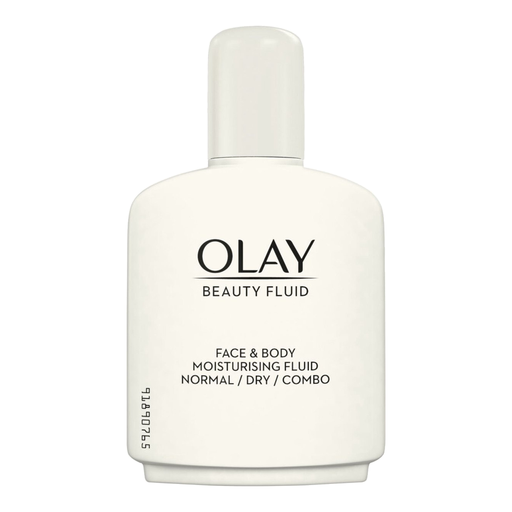
Why it suits this profile: The lotion is suitable for the face and body, so you can start with one product. Its lightweight, fast-absorbing formula is suitable for everyday use and can also be worn under make-up.
Its versatile use means you do not need to buy several moisturisers straight away. If you have sensitive skin, check the ingredients list for fragrance and fragrance allergens.
100 ml; glycerine, dimethicone and petrolatum; described in the product information as lightweight and fast-absorbing.
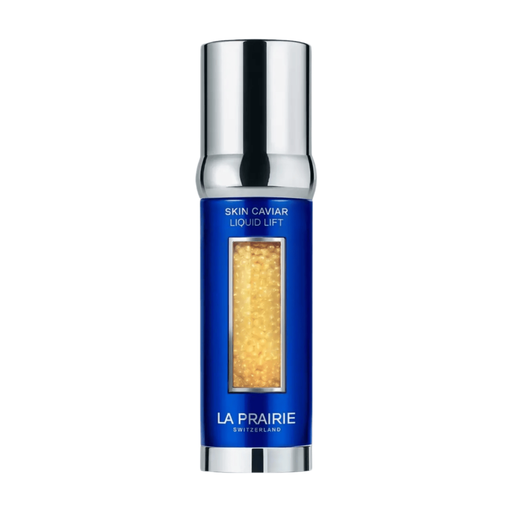
Why it suits this profile: This serum formula is designed for a more luxurious routine, with a silky texture and a combination of peptides, sodium hyaluronate and ceramide NP.
The product information clearly explains the formula and application steps. Do not expect a guaranteed lifting effect: the stated benefits come from the brand description.
50 ml; fragrance-free version according to the product details; serum containing peptides, hyaluronic acid and ceramide NP, among other ingredients.
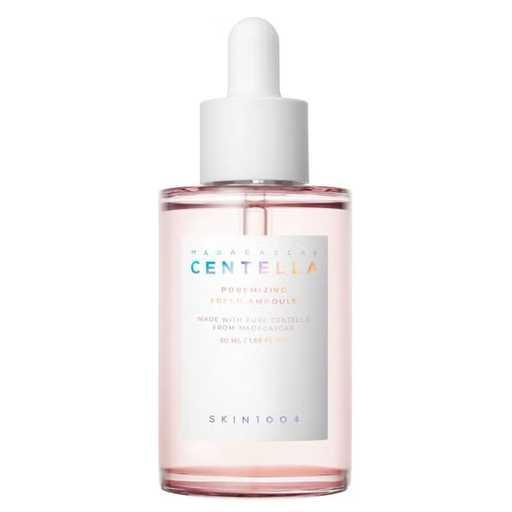
Why it suits this profile: According to the product information, this lightweight ampoule is intended for combination, oily and sensitive skin. It contains centella, panthenol and three forms of hyaluronic acid.
The watery texture reduces the risk of a heavy or sticky feel. The pore-refining claim comes from the product description and is not a guaranteed result.
100 ml; lightweight ampoule; contains centella asiatica, panthenol and hyaluronic acid; suitable for the face.
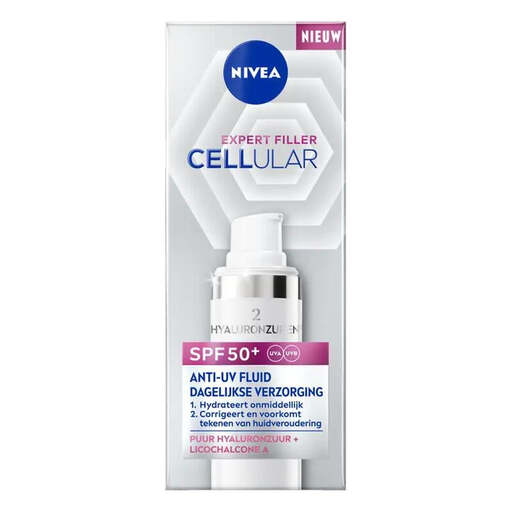
Why it suits this profile: This product combines a serum-like facial texture with SPF50+ and is ideal for anyone who wants to keep their morning routine streamlined.
The SPF indication is clearly stated. Make sure you use enough product and reapply during prolonged exposure; one thin layer is not enough.
SPF50+; 30 ml; contains glycerine and two listed forms of hyaluronic acid; fragrance-free according to the product information.
We have put together a complete, up-to-date list of products that fully meet these strict selection criteria and the applicable European safety regulations.
A product such as the SKIN1004 Madagascar Centella Hyalu-Cica Water-Fit Sun Serum 100ml combines UV filters with glycerine, niacinamide and hyaluronic acid, according to the ingredients list. If you would prefer a tint and a more even-looking appearance, consider the NIVEA SUN UV Face Ultra Light Face Sunscreen SPF50+. It contains tinted pigments as well as fragrance, so check beforehand whether it suits your skin.
Start by cleansing. Then apply an essence, serum or ampoule, followed by a moisturising cream. In the morning, sunscreen is the final step. When applying several layers, wait briefly until each product feels comfortably absorbed.
Check the expiry date and the period after opening on the packaging. Store products in a cool, dry place away from direct sunlight and high temperatures. Has the fragrance, colour or texture changed? It is best not to use the product any longer. With serums and ampoules, good hygiene is important: close the packaging after use and do not let the pipette touch your skin.
That depends on the number of steps, size and type of product. A basic routine with cleanser, moisturising cream and SPF is usually more practical than buying several serums straight away. Compare the price per millilitre, check the recommended application and only add an ampoule or anti-ageing serum if it addresses a specific skin concern.
