
Vandaag of morgen in huis

Kwaliteit gegarandeerd

Welkomstaanbiedingen ontgrendelen: GRATIS bezorging | Tot 80% korting | Gratis 30 dagen JoyPlus-proefperiode
Download de app
Buying new facial skincare seems easy until you have to choose between a face cream, face serum, retinol cream or Korean skincare. Packaging often promises smoother, more radiant or younger-looking skin. However, a striking claim says little about whether a product suits your skin type and routine.
The most common costly mistakes arise from three pitfalls:
A face serum is usually lighter than a cream and is often applied before moisturiser. A serum may target hydration, an uneven complexion or the appearance of dark spots, for example. A face cream is generally the final step and helps to lock in moisture.
Pay attention to the ingredients list:
With a retinol cream, the directions are more important than a marketing term such as anti-ageing skincare. The Retinol 0.3 Cream, for example, states a retinol concentration of 0.3%. According to the product information, you should carry out a patch test, introduce the product gradually and use sun protection during the day. Do not automatically combine it with other retinol, AHA or BHA products.
Vitamin C and exfoliating acids may also increase sensitivity to sunlight, according to the product information. Therefore, do not use a product more often or in a larger amount than indicated.
A cream for sensitive skin is not automatically fragrance-free. Therefore, check the INCI list for perfume, essential oils and fragrance ingredients such as limonene or linalool. These ingredients are not necessarily a problem for everyone, but may be a reason for some users to carry out a patch test.
Also check:
A jar may be practical for a rich cream, while a pump bottle may feel more hygienic for everyday use. The packaging says nothing about how well a product works, but it does say something about ease of use.
The recommendations below are based on verifiable information from the product descriptions and ingredients lists. Brand promises about visible results are not presented as guaranteed outcomes.
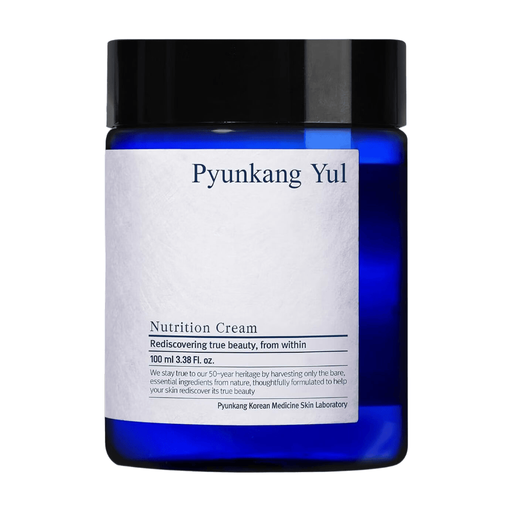
Why it suits this profile: The 100 ml size and rich formula are a good fit for anyone looking for a single everyday moisturiser for dry or demanding skin. The product information lists astragalus root extract, shea butter and jojoba oil, and states that it contains no perfume.
The ingredients list makes it clear that this is a nourishing cream, not a multifunctional active serum. This makes it easy to understand the role it plays in your routine.
100 ml contents; shea butter, jojoba oil and sodium hyaluronate in the formula; stated to be fragrance-free according to the product information.
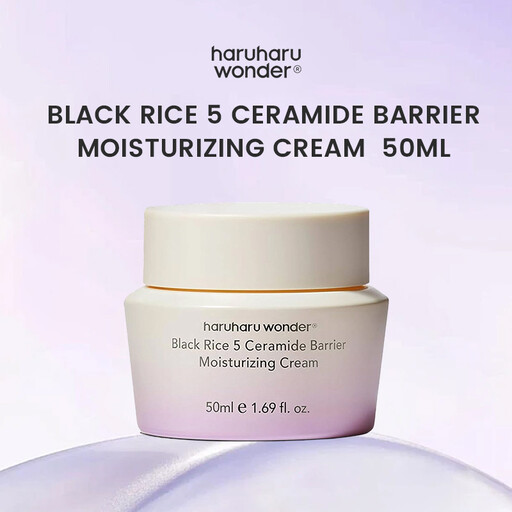
Why it suits this profile: Anyone specifically looking to restore the skin barrier will find a formula containing several ceramides, glycerine, allantoin and vitamin E. The cream is designed for daily use on the face and neck.
This product is recommended based on specific barrier-supporting ingredients, rather than simply on the term Korean skincare or a general promise of hydration.
Ceramide NP, AS, AP and EOP listed; 50 ml contents; suitable for morning and evening use according to the product information.
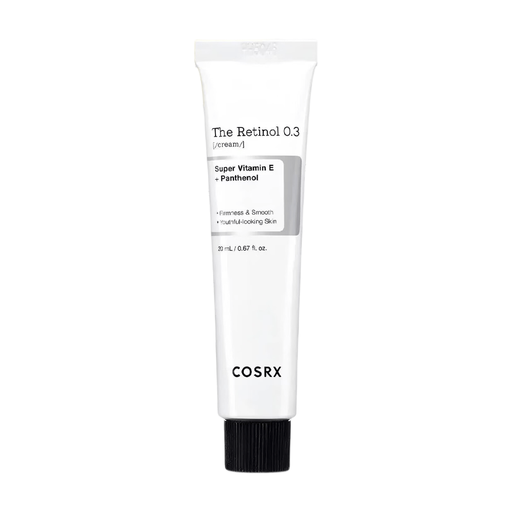
Why it suits this profile: This retinol cream is designed for users who want to consciously add a vitamin A product to their anti-ageing skincare routine and are prepared to build up the usage frequency gradually.
The 0.3% retinol concentration is clearly stated. The usage instructions recommend a patch test, using it every other evening when starting, and avoiding combinations with other retinol, AHA or BHA products.
0.3% retinol; panthenol and several forms of hyaluronic acid in the ingredients list; night-time use with SPF during the day according to the product information.
We have put together a complete, up-to-date list of products that fully meet these strict selection criteria and the applicable European safety regulations.
Start with a gentle cleanser, followed by a serum if you have a specific goal in mind. Finish with a face cream. Use sun protection during the day according to the product instructions. Introduce new active ingredients one at a time, so you can better assess how your skin responds.
This depends on the contents, dosage and frequency of use. Check the expiry date and the symbol indicating the period after opening, such as 6M or 12M. Store skincare products somewhere cool and dry, away from direct sunlight, and close the packaging securely after use.
You do not need to buy several active products at once. A simple routine consisting of cleansing, a suitable hydrating face cream and sun protection during the day is a practical starting point. Only add a niacinamide serum, retinol cream or other targeted product if it suits your skin type, budget and willingness to use it consistently.
