
Vandaag of morgen in huis

Kwaliteit gegarandeerd

Welkomstaanbiedingen ontgrendelen: GRATIS bezorging | Tot 80% korting | Gratis 30 dagen JoyPlus-proefperiode
Download de app
Pigmentation, acne scars and a dull complexion do not automatically require a complicated routine. However, a facial serum for pigmentation is not simply a product you should choose based on eye-catching packaging or a promise of “glow”. The formula, concentration and usage instructions determine whether the serum suits your skin and routine.
As a Joybuy Product Recommendation Officer, I focus mainly on verifiable information: ingredients, concentrations, volume, usage advice and warnings. This helps you avoid paying for a serum that does not match your skincare goals.
A serum containing dozens of ingredients is not automatically more suitable. First, look at the active ingredients that are relevant to your goal. Ingredients used in a serum for dark spots include niacinamide, vitamin C derivatives, tranexamic acid and, in some cases, retinoids. However, an ingredient’s position on the INCI list does not always indicate its exact concentration.
When choosing a serum for an even-looking complexion, look for a clearly stated concentration, such as 10% niacinamide, 4% tranexamic acid or 23% ascorbic acid.
A vitamin C serum, AHA product and retinol serum can each have a place in your routine. However, using them together may be too intense for some skin types. A tight feeling, redness or flaking is not proof that a product is “working”.
Start with one new serum at a time. Use it a few times a week initially, then only add another active product later. If irritation persists, stop using the product and follow the safety information on the packaging.
A serum for hyperpigmentation is not a substitute for sunscreen. Daily exposure to UV rays can make discolouration more noticeable. For products containing vitamin C, AHA or retinol, product descriptions advise using a sun protection product during the day. Choose a facial serum as part of a routine with daily UV protection, not as a standalone solution.
Match the ingredient to your main skincare goal:
A serum for radiant-looking skin does not need to feel dry or uncomfortable. Ingredients such as glycerine, hyaluronic acid, panthenol, squalane and ceramides help support comfortable-feeling skin. A hydrating serum is often a better match for dry skin when followed by a moisturiser.
If you have oily or combination skin, look for a lightweight gel or ampoule texture. Fragrance-free and alcohol-free formulas may be a practical choice if you prefer to avoid perfume or certain solvents.
Check the volume and the recommended period after opening. A 20 ml bottle may cost more per millilitre than a 30 or 40 ml version. Packaging is particularly important for vitamin C: states that its Vitamin C23 serum should be stored in a cool place and used within two months of opening to preserve the active ingredients.
Always follow the label. With a concentrated formula, carry out a patch test first and avoid the eye area if this is stated in the usage instructions.
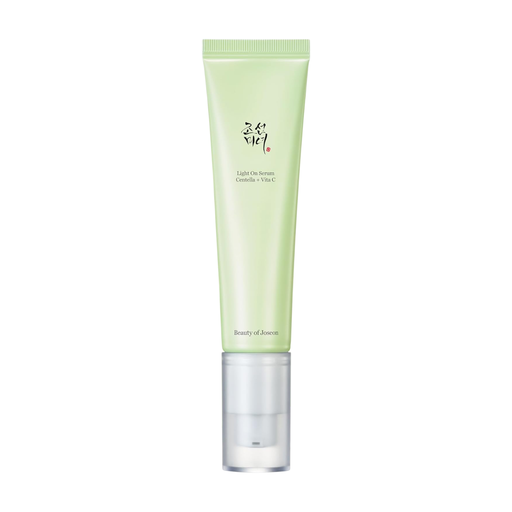
Why it suits this profile: The 30 ml formula combines a vitamin C derivative with centella, glycerine and hyaluronic acid. This makes it an accessible choice for anyone looking to expand their Korean skincare routine with one lightweight serum.
The product information states the main type of vitamin C and includes clear usage advice. This means you do not have to rely solely on the term “glow”.
30 ml; centella, glycerine and several forms of hyaluronic acid; suitable for morning and evening use according to the product description.
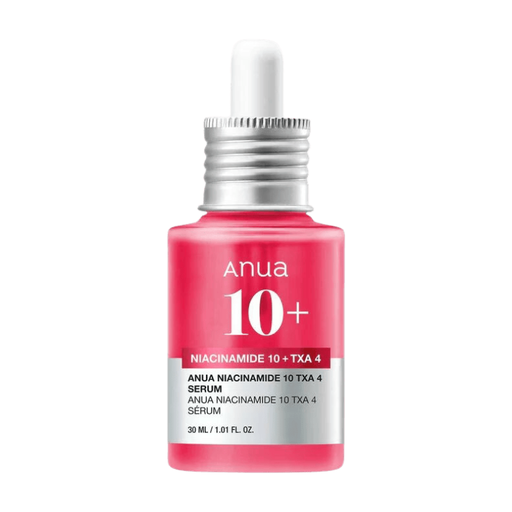
Why it suits this profile: Anyone specifically looking for a serum for hyperpigmentation can easily compare the stated concentrations: 10% niacinamide and 4% tranexamic acid, complemented by hyaluronic acid and arbutin.
The formula states the active percentages and is alcohol-free, fragrance-free and oil-free according to the product specifications. This makes its properties easier to assess in advance.
30 ml; pump bottle; niacinamide, TXA, arbutin and several forms of hyaluronic acid; 12-month shelf life after opening according to the product specifications.
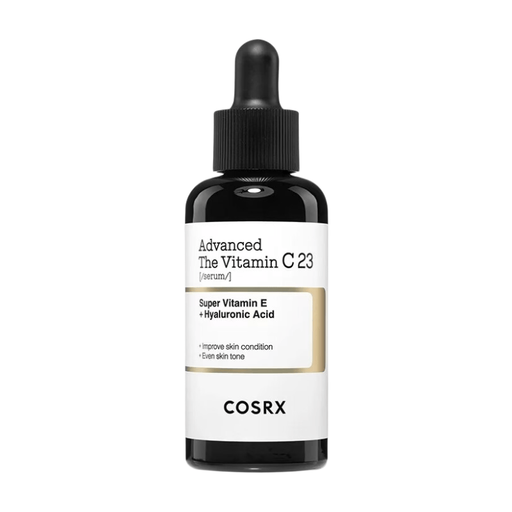
Why it suits this profile: According to the ingredients list, this vitamin C serum contains 23% ascorbic acid. It is suitable for users who deliberately choose a high concentration and are prepared to follow storage and combination instructions.
The product information warns against combining it with retinol and other powerful active ingredients. It also mentions patch testing, cool storage and use within two months of opening.
20 ml; 23% ascorbic acid; contains panthenol, squalane, hyaluronic acid and vitamin E; clear storage instructions.
We have put together a complete, up-to-date list of products that fully meet these strict selection criteria and the applicable European safety regulations.
A serum only works as part of a routine you can stick to consistently. More products do not automatically mean a more even complexion. Choose one main goal, such as dark spots or texture, then assess whether you need an additional product.
Look for a formula containing niacinamide, tranexamic acid, arbutin or vitamin C. A serum for dark spots with stated concentrations is easier to compare than a product using only general terms such as “radiance”. The ANUA serum combines 10% niacinamide with 4% TXA, making it specifically suited to this type of product choice.
This varies from product to product. Check the expiry information on the packaging and the recommended period after opening. Beauty Of Joseon’s product information states six months after opening; ANUA states twelve months. For Vitamin C23, use within two months of opening is recommended, together with cool storage.
Niacinamide and vitamin C are combined in some formulas, but a high concentration of vitamin C and retinol requires greater caution. If necessary, use powerful active ingredients at different times of day and introduce them gradually. Always follow the label, carry out a patch test and use sun protection during the day.
