
Vandaag of morgen in huis

Kwaliteit gegarandeerd

Welkomstaanbiedingen ontgrendelen: GRATIS bezorging | Tot 80% korting | Gratis 30 dagen JoyPlus-proefperiode
Download de app
A facial serum can be a simple addition to your routine, but the wide choice can make it hard to know where to start. Are you mainly looking for hydration, a more even-looking complexion, a serum for night-time use or support for more mature skin? The deciding factor shouldn’t be the boldest promise on the packaging, but the combination of ingredients, concentration, when to use it and your skin type.
More ingredients don’t automatically mean a serum is better suited to your skin. Start by looking at its main purpose:
Also check the full ingredients list. For example, a fragrance-free formula may be more practical if you react quickly to fragrance. That doesn’t mean fragrance is unsuitable for everyone; it’s about what your skin can tolerate.
Terms such as “glow”, “renew” and “anti-ageing” often describe how a brand positions a product, rather than guaranteeing a particular result. For example, according to Estée Lauder’s own research, some users report a more youthful appearance after using Advanced Night Repair. This is a brand claim, not a guarantee for every user.
Claims made by other brands should also be read in context. A serum for dark spots may help the skin look more even, but visible discolouration can have different causes. Don’t expect immediate results, and use a product with UV protection during the day when recommended on the label.
Combining a retinol serum, retinal serum, exfoliating serum and serum for dark spots can make your routine unnecessarily complicated. It’s better to start with one active product and use it as directed on the packaging. If you have sensitive skin, it’s a good idea to test a small amount on a limited area first. Stop if irritation occurs and follow the product’s safety information.
A lightweight hydrating serum can usually be applied easily under a day or night cream. Retinol and retinal formulas are generally recommended for evening use. For example, celimax The Vita-A Retinal Shot Tightening Booster advises starting with use every other evening and warns that it may increase sensitivity to sunlight. Use UV protection the following morning as recommended on the packaging.
A night-time serum doesn’t automatically have to be a retinol product. An antioxidant formula or hydrating serum may also suit you if you don’t want to use a retinoid.
A niacinamide serum with 2% isn’t the same as a product with 10%. The concentration also doesn’t tell you everything about how your skin will react. Look at the rest of the formula, its texture and the directions for use.
Examples from the range:
Always check the current packaging, as formulas and directions for use may change.
A 15 ml bottle may suit a concentrated product that you only need to use in small amounts each time. A 30 or 40 ml bottle is more practical for daily use. Also check the period after opening and storage advice. Proper storage and limiting exposure to sunlight are particularly relevant for retinol and retinal.
A pump bottle may help protect the product from repeated contact with air and fingers. If it comes with a pipette, hygienic use is important: try not to touch your skin directly with the dropper.
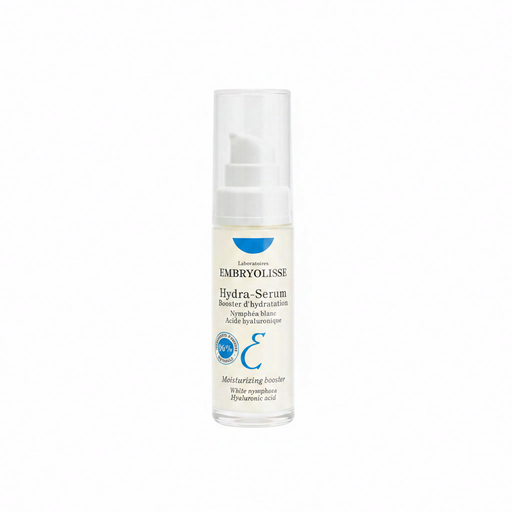
Why it suits this profile: A simple hydrating serum for anyone looking to add to their routine without immediately combining several active ingredients. According to the product information, it’s suitable for all skin types, including sensitive skin.
The product description clearly states its main purpose: hydration. So you don’t need to choose retinol, acids or ingredients targeting pigmentation if all you’re looking for is moisture.
30 ml; hyaluronic acid; lightweight texture; dermatologically tested and non-comedogenic according to the specifications.
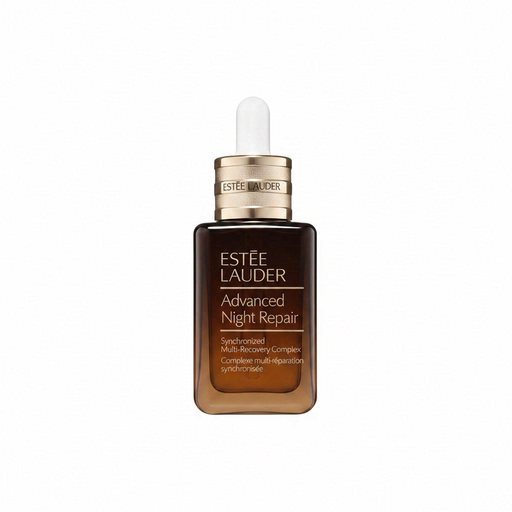
Why it suits this profile: Suitable for anyone looking for a versatile serum to hydrate and promote a well-cared-for appearance, for use during the day or in the evening according to the product information.
The formula isn’t positioned solely as an anti-ageing serum, but also as a hydrating product. Do check the current ingredients and claims on the packaging.
50 ml; suitable for all skin types according to the specifications; contains sodium hyaluronate, glycerine and squalane.
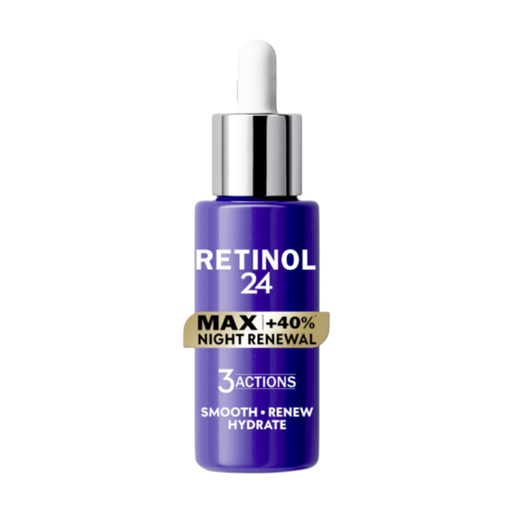
Why it suits this profile: For users specifically looking for a night-time serum with retinyl propionate who are prepared to follow the directions, introduce it gradually and take UV protection seriously.
The directions specify evening use, avoiding contact with the eyes and using a hydrating day cream with SPF. This makes it clearer when to use than a serum without a set routine.
40 ml; fragrance-free according to the specifications; contains retinyl propionate and glycerine; designed to hydrate and renew the skin.
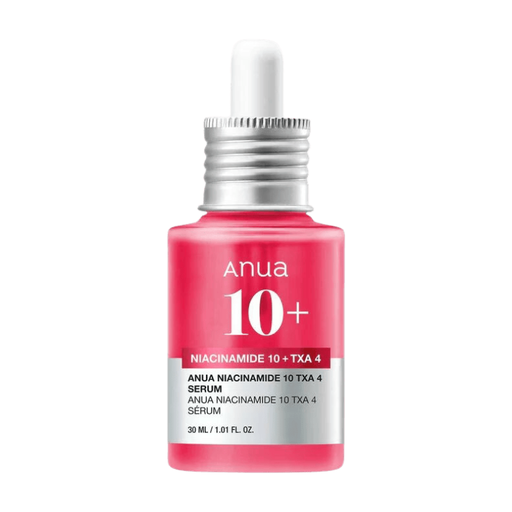
Why it suits this profile: For anyone specifically looking for a niacinamide serum to address uneven skin tone, visible dark spots or marks left by blemishes.
The niacinamide and tranexamic acid concentrations are clearly stated in the product name. This lets you compare options using specific information, rather than relying only on the term “glow”.
30 ml; fragrance-free and alcohol-free according to the specifications; contains several forms of hyaluronic acid; pump packaging.
We’ve put together a complete, up-to-date list of products that meet these strict selection criteria and the applicable European safety regulations.
Cleanse your face, then apply a small amount of serum. Gently pat it into your skin and finish with a moisturiser. Use a serum with retinol or retinal only as directed on the packaging. UV protection is important during the day if the product warns you to use it.
That depends on the size, amount used and how often you apply it. A 30 ml bottle may last longer with daily use than a concentrated 15 ml product that you use only a few evenings a week. Always check the period after opening and the shelf-life information on the packaging.
Sometimes, but don’t start by combining several potent active ingredients. A hydrating serum with hyaluronic acid is often easier to combine with other products than a retinol serum, retinal serum or exfoliating formula. Add one new product at a time and stop if irritation occurs.
