
Vandaag of morgen in huis

Kwaliteit gegarandeerd

Welkomstaanbiedingen ontgrendelen: GRATIS bezorging | Tot 80% korting | Gratis 30 dagen JoyPlus-proefperiode
Download de app
A facial serum can be a useful step between cleansing and moisturiser, but not every serum suits every skin type. A lightweight gel texture can feel pleasant on dehydrated skin, while a formula containing oils or silicones may be better suited to dry hair. The right choice therefore starts not with a striking claim on the packaging, but with ingredients, concentration, texture and usage instructions.
A serum containing lots of plant extracts or active ingredients is not automatically suitable for your skin. Pay particular attention to the first ingredients on the list. Glycerine, panthenol, betaine and hyaluronic acid are often used in hydrating facial serums. Ceramides, squalane and fatty emollients may be suitable for dry skin or a compromised skin barrier.
An ingredient can also have several functions. Hyaluronic acid, for example, helps bind moisture, but a serum alone cannot replace moisturiser. Apply a cream after a hydrating serum to keep the surface of your skin feeling comfortable.
Terms such as “glow”, “firming”, “healing” or “anti-redness” often describe a product’s positioning. According to a brand’s own research, such claims may correspond to certain user experiences, but they are not a guarantee for every skin type. Look for verifiable information, such as:
Stop using the product if you experience redness, itching or a burning sensation. A serum is cosmetic skincare, not a treatment for a skin condition.
A vitamin C serum, retinol serum, exfoliant and anti-redness serum may each have a different place in your routine. Combining several strong products at once makes it harder to identify which formula your skin does not tolerate well.
Start with one new product. First test a small amount on a limited area of skin and gradually build up the frequency. Take extra care with retinol and retinal. Follow the label, generally use these ingredients in the evening and apply sun protection during the day. Always follow product information relating to pregnancy or breastfeeding; if in doubt, seek advice from a healthcare professional.
For a serum for dry skin, humectants such as glycerine, betaine and hyaluronic acid are useful points to consider. A hyaluronic acid serum with several molecular weights, such as Hydrium Triple Hyaluronic Moisture Ampoule, is described as containing high-, medium- and low-molecular-weight hyaluronic acid.
If your main priority is comfort for sensitive or irritated skin, consider panthenol, beta-glucan, centella asiatica or allantoin. A soothing serum with a simple formula may then make more sense than a product containing lots of exfoliating acids.
Some consumers choose an anti-ageing serum with retinol, retinal, peptides or adenosine to target visible signs of skin ageing. These ingredients require a gradual introduction. A vitamin C serum is often chosen for a more even-looking complexion, but always check the exact form and concentration of vitamin C on the label.
A watery serum usually absorbs quickly and works well under a day cream. An oily formula may feel more comfortable on dry skin, but can feel heavier. Apply products from lightest to richest:
Do not automatically use several serums in one routine. A good combination might be a hydrating serum followed by a simple cream. With an active formula containing retinol, retinal or azelaic acid, a pared-back routine is often easier to manage.
A 30 ml bottle is common for a facial serum. A larger 40, 50 or 100 ml bottle may seem better value, but only if you use the product regularly before its expiry date or within the stated period after opening. Check the packaging for the expiry date, batch number and PAO symbol.
Also pay attention to perfume and fragrances. A serum formulated for sensitive skin is not automatically fragrance-free. Anua 7 Rice Ceramide Hydrating Barrier Serum, for example, lists fragrance among its ingredients. Ghd Dramatic Ending contains fragrance, limonene and linalool, among other ingredients. This does not necessarily make a product unsuitable, but it is useful information for consumers who wish to avoid fragrances.
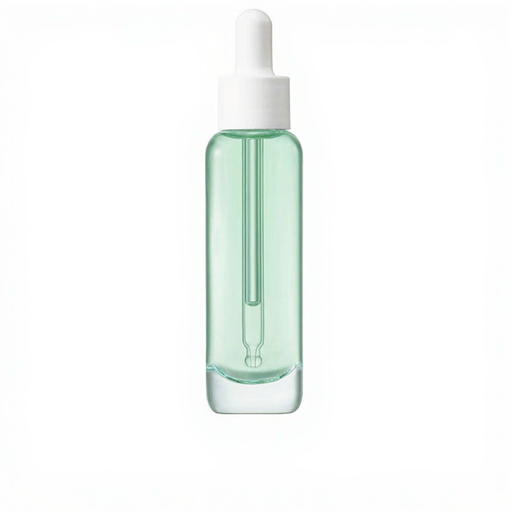
Why it suits this profile: Its lightweight texture and straightforward hydrating positioning make it an accessible starting point for anyone wanting to try a daily serum.
The ingredients list includes glycerine, trehalose, betaine, panthenol and beta-glucan, among other ingredients, allowing you to check its hydrating base rather than relying solely on marketing language.
30 ml; contains Cetraria islandica extract, malachite extract and panthenol; suitable for use under moisturiser.
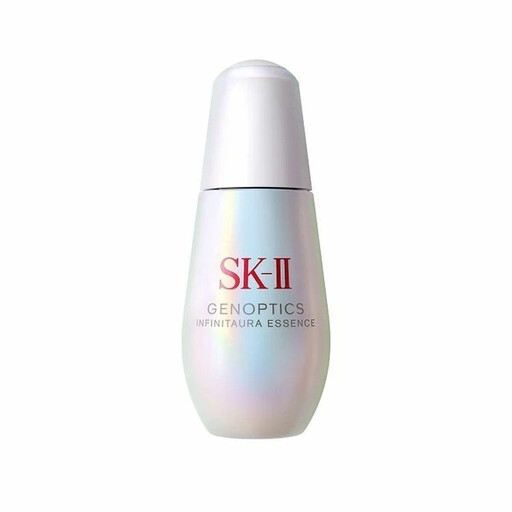
Why it suits this profile: If you are looking for a larger size and a formula featuring recognisable branded actives, this is a luxury-oriented option for your regular routine.
The product description mentions PITERA, niacinamide and bisabolol. However, check the current packaging and ingredients list before buying, as product formulations can change.
50 ml size; serum texture; niacinamide and bisabolol are listed in the product description.
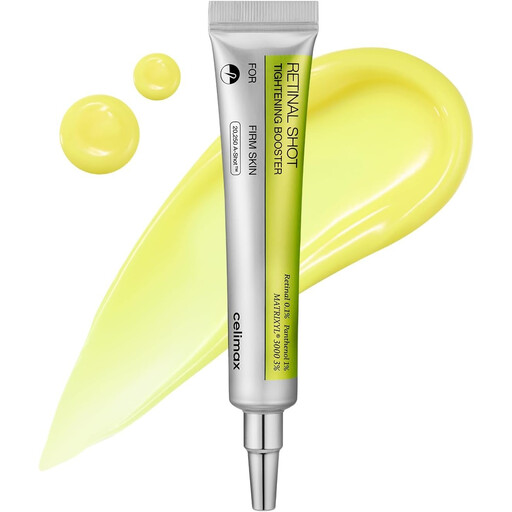
Why it suits this profile: This is a targeted choice for users who already know how they want to introduce retinal into their evening routine.
The label recommends using it in the evening, every other night when starting, applying a small amount and using sun protection during the day. This makes the intensive formula easier to introduce gradually.
15 ml; contains 0.1% retinal and 3% Matrixyl 3000 according to the product information; clear introduction instructions.
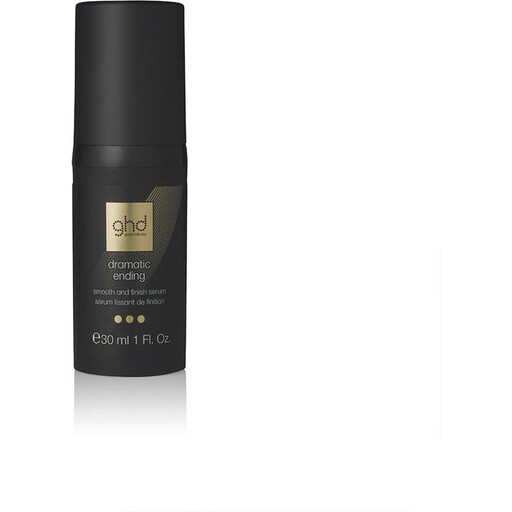
Why it suits this profile: This is an anti-frizz hair serum for anyone primarily looking for smoothness and shine through the lengths, rather than a product for the face.
The instructions are clear: distribute a small amount through your hands and apply only to the mid-lengths and ends to help prevent greasy roots.
30 ml; suitable for different hair types according to the description; contains cyclopentasiloxane and dimethicone for a smooth feel.
We have compiled a complete, up-to-date list of products that fully meet these strict selection criteria and the applicable European safety regulations.
After cleansing, apply 2 to 3 drops to your face and neck, depending on the label. Allow the product to absorb briefly, then apply moisturiser. During the day, sun protection should be the final step. Avoid direct contact with the eyes.
Check the expiry date on the packaging and the symbol indicating the period after opening, such as 6M. Keep the bottle tightly closed and store it in a cool, dry place away from direct sunlight. Retinol and retinal products are particularly sensitive to incorrect storage, so follow the manufacturer’s specific instructions.
Sometimes, but introduce them gradually. A hydrating facial serum containing glycerine or hyaluronic acid is usually easy to use alongside moisturiser. Do not combine retinol, retinal, acids and vitamin C blindly in the same routine. Test new combinations separately and stop using them if irritation persists.
