
Vandaag of morgen in huis

Kwaliteit gegarandeerd

Welkomstaanbiedingen ontgrendelen: GRATIS bezorging | Tot 80% korting | Gratis 30 dagen JoyPlus-proefperiode
Download de app
A facial serum can be a targeted addition to your daily skincare routine. But choosing between a hydrating serum, niacinamide serum, vitamin C serum and retinol serum isn’t always straightforward. A high concentration or impressive-sounding claim doesn’t automatically mean a product is right for your skin.
As a Joybuy Product Recommendation Officer, I check product information against verifiable details. This guide will help you understand what to look for and which popular options suit different skin needs.
A serum with lots of active ingredients may seem appealing, but combining several actives can make your routine unnecessarily complicated. If you have sensitive skin, it’s often wiser to start with one goal, such as hydration or comfort.
As well as the active ingredients, check for fragrance, alcohol, acids and preservatives. A fragrance-free product won’t automatically suit everyone, but it can be a practical choice if you want to avoid fragrance ingredients.
A 10% niacinamide serum may sound stronger than a 5% formula, but not everyone needs a higher percentage. The overall formula, texture and combination with other products can all affect how comfortable the serum is to use.
It’s important to introduce retinol and retinal gradually. Don’t use these ingredients every night straight away, and use sun protection during the day. Stop if irritation persists, and always follow the instructions on the product packaging.
Marketing language often describes the appearance you might want, but it doesn’t guarantee a specific result. Check the INCI ingredients list, product size, directions for use and the skin type the product is intended for.
If you have pigmentation, using a broad-spectrum sunscreen every day is important. A serum for pigmentation is not a substitute for sun protection.
When choosing a serum for acne-prone skin, don’t base your decision on one popular ingredient alone. Check the rest of the formula too, and choose a texture that doesn’t feel heavy.
A 30 ml bottle is a common size for a facial serum. A 15 ml product, such as some retinal formulas, may be suitable if you only need a small amount per application. Pay particular attention to the dispenser: a pump can help you measure out a consistent amount, while a pipette can be precise but needs to be used hygienically.
Follow the product instructions. Retinol or retinal products are generally used in the evening and should be introduced gradually. The product information for an azelaic acid serum may also recommend starting with one or two applications a week.
If you don’t yet know how your skin will react, avoid using several strong active serums at once. A simple routine is:
Patch test a new product according to the instructions. Avoid contact with your eyes and broken skin. Stop using the product if you experience redness, itching, swelling or a burning sensation.
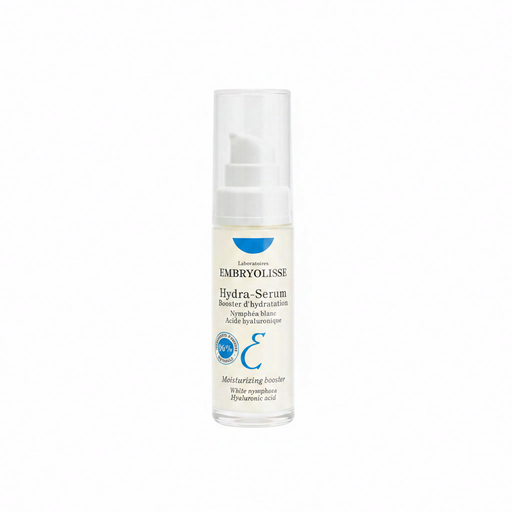
Why it suits this profile: According to the product information, this lightweight formula is designed for daily use and all skin types, including sensitive skin. It’s a straightforward place to start if hydration is your main goal.
You don’t need to combine several active ingredients straight away. The formula lists glycerin, sodium hyaluronate and white water lily, among other ingredients.
30 ml, a lightweight lotion texture, quick absorption and, according to the product information, dermatologically tested and non-comedogenic.
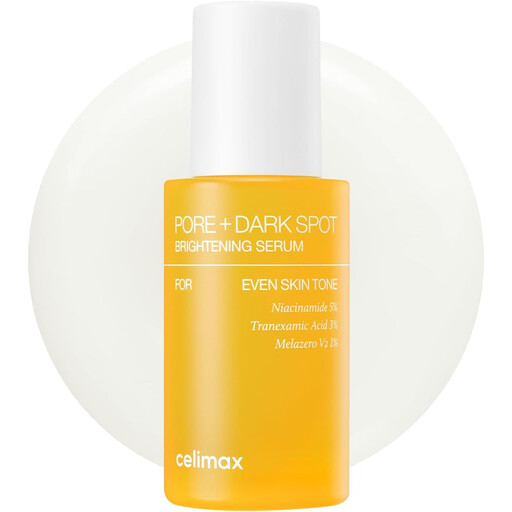
Why it suits this profile: According to the product description, this Korean skincare serum targets pores, uneven skin tone and hydration. Its gel texture and pump packaging make it a good fit for a regular daily routine.
The stated percentages make it easier to compare the formula: 5% niacinamide and 3% tranexamic acid. Check the current packaging for the official ingredients information.
30 ml, described as fragrance-free, with a lightweight gel serum texture and vegan hyaluronic acid, according to the product description.
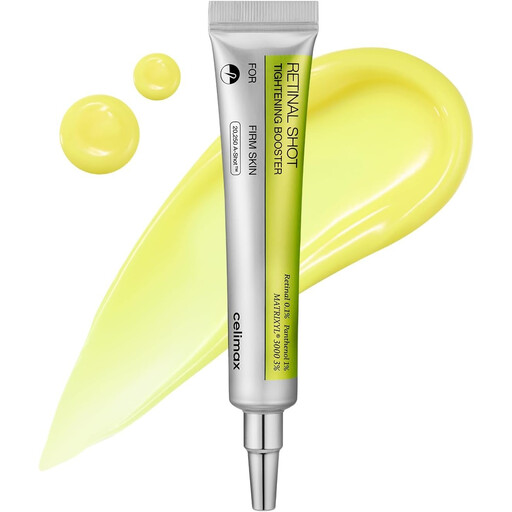
Why it suits this profile: This 15 ml formula is designed for people specifically looking for a retinal serum who are prepared to introduce it gradually.
The directions recommend starting every other evening with a small amount. This helps you avoid applying too much or using it too often straight away.
The product information lists 0.1% retinal and 3% Matrixyl 3000. It’s designed for evening use, and you’ll need to use sun protection during the day.
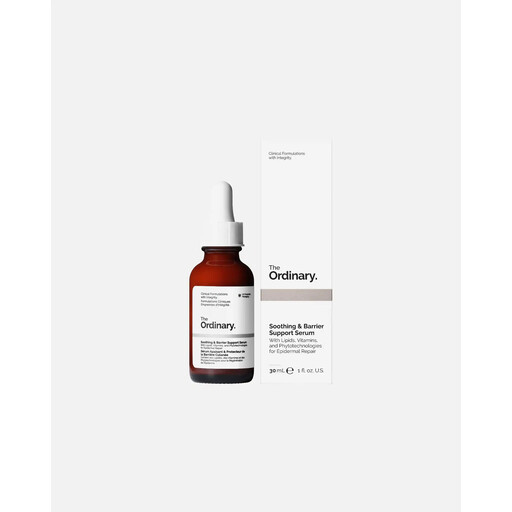
Why it suits this profile: The product information describes this as a fragrance-free serum for hydration, comfort and supporting the skin barrier. It’s a good fit for a routine with few fragrance ingredients.
Rather than being built around one standout claim, the formula contains niacinamide, bisabolol, lipids and ceramide-like ingredients, among others.
30 ml, fragrance-free according to the product information, suitable for all skin types and with a fluid texture.
We’ve put together a complete, up-to-date list of products that meet these strict selection criteria and current European safety requirements.
After cleansing, apply a few drops to your face and neck, unless the packaging gives different instructions. Follow with a moisturiser. A vitamin C serum or hydrating serum can often be used in the morning; retinol and retinal are usually best kept for the evening.
Check the expiry date and the period-after-opening symbol on the packaging. Close the bottle securely and store it out of direct sunlight. Products containing vitamin C, retinol or retinal can be particularly sensitive to light and air. If the smell, colour or texture changes, check the latest product information and stop using it.
Sometimes, but introduce them gradually. For example, start by combining a gentle hydrating serum with a moisturiser. Add a niacinamide serum, azelaic acid serum or vitamin C serum later. Don’t combine retinol or retinal with several exfoliating acids in the same routine without checking first. If you have sensitive or acne-prone skin, a simple routine is often easier to assess.
