
Vandaag of morgen in huis

Kwaliteit gegarandeerd

Welkomstaanbiedingen ontgrendelen: GRATIS bezorging | Tot 80% korting | Gratis 30 dagen JoyPlus-proefperiode
Download de app
A facial serum can be a useful addition to your daily skincare routine. Its texture is usually lighter than a cream, and many serums contain targeted ingredients such as niacinamide, hyaluronic acid, vitamin C or azelaic acid. However, a higher concentration is not automatically the right choice. If you focus only on a striking claim or popular trend, you could end up with a product that does not feel comfortable or fit into your skincare routine.
In this guide, you’ll discover what to look for in a Korean skincare serum, a hydrating serum or a formula for a more even complexion.
A percentage does not tell you everything. A vitamin C serum with a high concentration may be too intense for some users, while a gentler form of vitamin C may be more comfortable to use. Always check the full ingredients list, recommended frequency of use and any warnings on the packaging.
Niacinamide, acids, retinoids and vitamin C can all feature in a routine, but not necessarily at the same time. Combining a dark spot serum with several potent products increases the chance of tightness or irritation. Start with one new product and only introduce something else later.
A hydrating serum does not have to leave an oily layer on your skin. Ingredients such as glycerine, panthenol, beta-glucan and hyaluronic acid attract moisture or help support a comfortable skin feel. Dry skin often also needs a moisturiser to help retain moisture more effectively.
Start by identifying your main skin concern:
Pay attention to the difference between a product feature and a proven result. According to a brand’s own research, ingredients may help support certain effects; this is not a guarantee for every user.
A lightweight gel texture may feel comfortable on oily or blemish-prone skin. Dry or mature skin may benefit more from humectants, ceramides and an occlusive cream. When choosing a serum for sensitive skin, a fragrance-free formula and a short, easy-to-understand ingredients list are practical points to consider.
Also check whether the serum contains alcohol, fragrance or essential oils if you are sensitive to them. For example, the product description for MEDICUBE PDRN Pink Peptide Serum states that the formula contains fragrance. This does not automatically make it unsuitable, but it is relevant information when making your choice.
Most serums contain between 20 and 50 ml. A few drops are generally enough per application, but always follow the instructions on the packaging. Apply the serum after cleansing and, if used, toner, followed by a moisturiser. During the day, use a sunscreen when applying ingredients that may increase sensitivity to sunlight.
Storage and how quickly you use the product are particularly important for formulas containing vitamin C or retinal. Vitamin C23, for example, recommends cool storage and use within two months of opening to help preserve the active ingredients. According to the product instructions, Celimax The Vita-A Retinal Shot is intended for evening use, with gradual introduction.
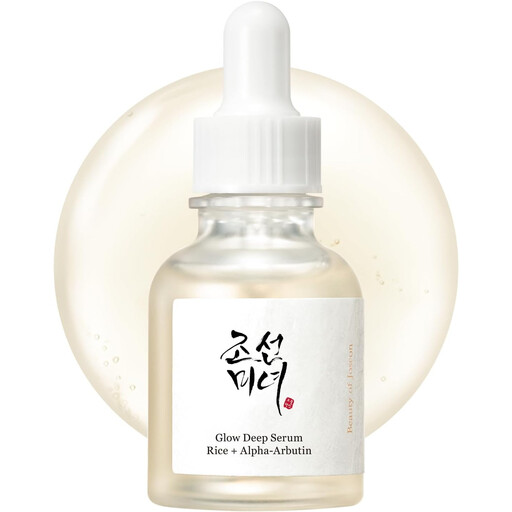
Why it suits this profile: A lightweight formula for anyone looking to start using a serum for hydration and a more even-looking complexion. The 30 ml formula’s product description mentions rice bran water, 2% alpha-arbutin and niacinamide.
The ingredients and directions for use are clearly listed. This means you can compare the formula without relying solely on terms such as glow or brightening.
Fragrance-free, alcohol-free and vegan according to the product information; suitable for evening use.
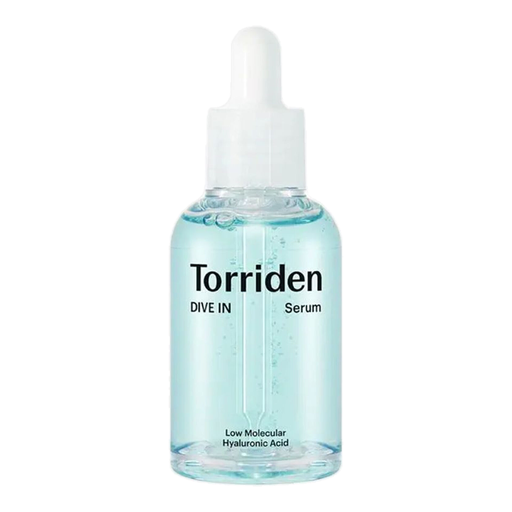
Why it suits this profile: Ideal for anyone primarily looking for hydration and who appreciates a larger volume. The formula lists five types of hyaluronic acid, panthenol, ceramide NP and beta-glucan.
The choice is based on specific ingredients and a 50 ml volume, rather than just a general claim about radiant skin.
Fragrance-free according to the product information; vegan and suitable for all skin types according to the listed product specifications.
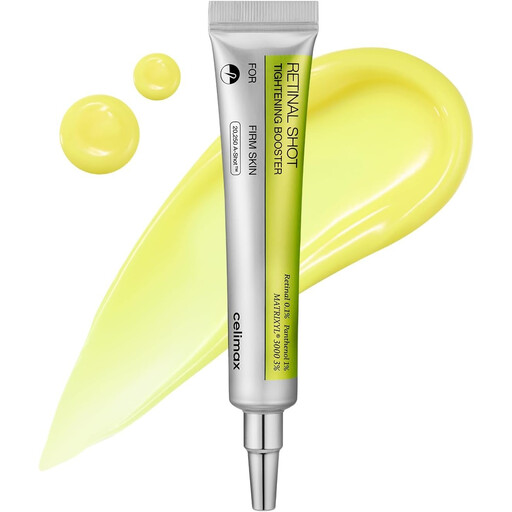
Why it suits this profile: For users who want to add a targeted retinal product to their evening routine. The product information states that it contains 0.1% retinal and 3% Matrixyl 3000.
The directions recommend gradual introduction, evening use and sun protection. This helps prevent overuse.
0.1% pure retinal; compact 15 ml volume; intended for use every other evening.
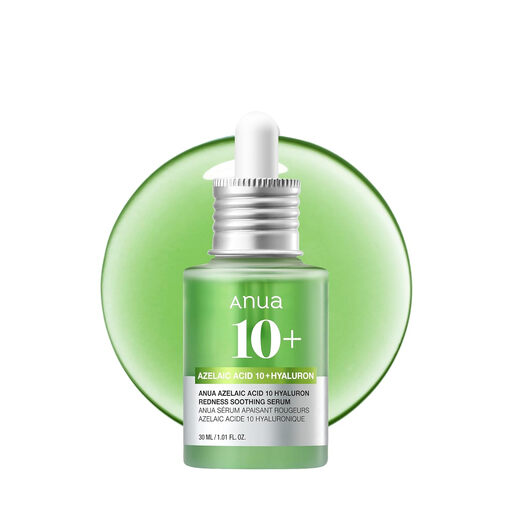
Why it suits this profile: An interesting option for anyone wanting to combine azelaic acid, hydrating ingredients and a soothing routine. The formula contains 10% azelaic acid, panthenol, hyaluronic acid and ceramide NP.
The instructions recommend starting slowly, for example once or twice a week. This helps prevent applying too much product too soon.
10% azelaic acid; fragrance-free according to the product information; also contains panthenol, hyaluronic acid and ceramide NP.
We’ve put together a complete, up-to-date list of products that fully meet these strict selection criteria and the applicable European safety regulations.
Do not combine several new products straight away. This makes it easier to identify which product feels comfortable and which one may be causing a reaction.
Look for a hyaluronic acid serum or a formula containing glycerine, panthenol, beta-glucan and ceramides. A serum complements your routine, but it does not always replace a moisturiser. Dry skin may benefit from both steps.
That depends on the ingredients. A gentle serum containing niacinamide or alpha-arbutin, for example, may be suitable for daily use according to the product instructions. Formulas containing azelaic acid, high concentrations of vitamin C or other potent active ingredients may require gradual introduction. Follow the packaging instructions and stop using the product if irritation persists.
Shelf life varies between formulas. Check the expiry date and the open-jar symbol showing the period after opening on the packaging. Products containing unstable active ingredients may have additional storage requirements. Keep your serum closed, away from direct sunlight and in accordance with the manufacturer’s instructions.
