
Vandaag of morgen in huis

Kwaliteit gegarandeerd

Welkomstaanbiedingen ontgrendelen: GRATIS bezorging | Tot 80% korting | Gratis 30 dagen JoyPlus-proefperiode
Download de app
A facial serum can be a simple addition to your daily skincare routine. Its lightweight texture often contains a higher concentration of certain ingredients than a regular cream. However, not every serum is suitable for every skin type. Choosing the wrong one can leave your skin feeling tight, cause irritation, or result in a product that remains unused in your cabinet.
As a Joybuy Product Recommendation Officer, I assess product information based on verifiable details: ingredients, volume, directions for use, texture and stated skin type. This makes it easier to distinguish marketing language from information that is actually listed on the packaging or product page.
A serum with many ingredients is not automatically the better choice. Start by considering your goal. If you are looking for a hydrating serum, look for ingredients such as glycerin, panthenol, beta-glucan, sodium hyaluronate or other forms of hyaluronic acid. For a serum for dry skin, ingredients that help retain moisture are also relevant.
If you want a serum for redness or sensitive skin, also check for potential fragrance ingredients, alcohol and active ingredients your skin is not yet accustomed to.
Terms such as “anti-aging”, “repairing”, “collagen-boosting” and “pore-minimising” often come from brand communications. According to a brand’s own research or the product description, such wording may create a certain expectation, but it is not a guarantee of how your skin will respond.
Instead, examine the actual formula. A peptide serum, for example, contains specific peptides in its ingredients list. A hyaluronic acid serum may contain several forms of hyaluronic acid, but their presence alone does not indicate how your skin will react.
A serum containing azelaic acid, retinol, vitamin C or exfoliating ingredients can be a targeted choice. However, using several active products at the same time makes it harder to determine which product may be causing irritation.
Start with one serum and use a small amount. If you have sensitive skin, a patch test is advisable. Stop using the product if redness, itching, swelling or a burning sensation persists, and follow the safety advice on the packaging.
First, choose one main objective:
A Korean serum often combines several skin-conditioning ingredients in a single formula. This can be practical, but always check whether the combination fits your existing routine.
A percentage is useful, but it should be considered in context. For azelaic acid, the products in this selection, for example, list 10%. This provides a clearer basis for comparison than a general claim such as “powerful care”. When introducing an active serum, follow the product guidance—for example, use it every other day or a few times per week.
When using a retinol serum, daytime sun protection is essential. Do not apply retinol to damaged skin, and check the warnings on the packaging.
A gel serum feels different from a lotion or oil-based formula. Those who apply multiple layers often prefer a lightweight serum that absorbs quickly. A pump bottle can make it easier to dispense the right amount, while a dropper requires greater attention to hygiene.
Also compare the volume. Many serums contain 30 ml, while some hydrating formulas offer 50, 100 or 150 ml. More millilitres do not automatically mean that a product is better suited to you, but they do allow you to compare the price per millilitre.
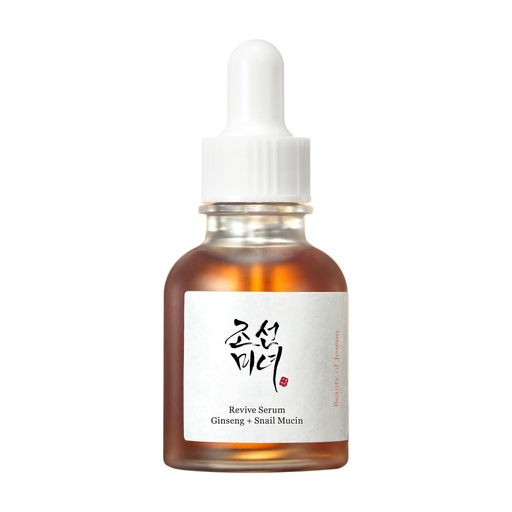
Why This Fits Their Persona: An accessible 30 ml serum for those primarily seeking hydration and a comfortable skin feel without a complicated routine.
The product information specifies a gel texture, a pump bottle and a recommended dose of one to two pumps. This makes dispensing more controlled than scooping an unspecified amount from a jar.
According to the product list, it contains glycerin, niacinamide, Centella asiatica and several forms of hyaluronic acid.
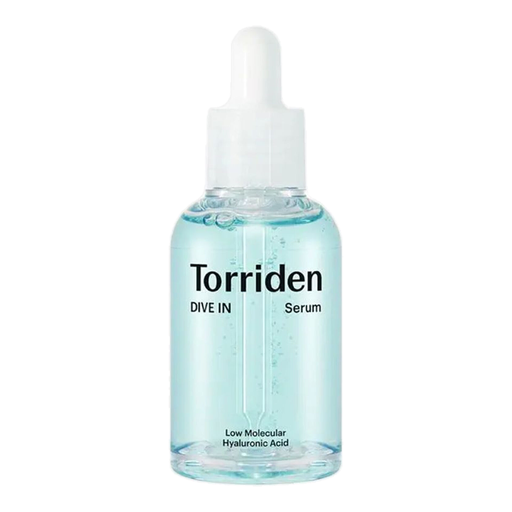
Why This Fits Their Persona: Well suited to those seeking a lightweight hydrating serum for the Dutch indoor climate, particularly during cold or dry months.
The product description mentions five types of hyaluronic acid and a fragrance-free formula. Still, check the current packaging when your order arrives.
50 ml volume; the listed formula also contains panthenol, ceramide NP and beta-glucan.
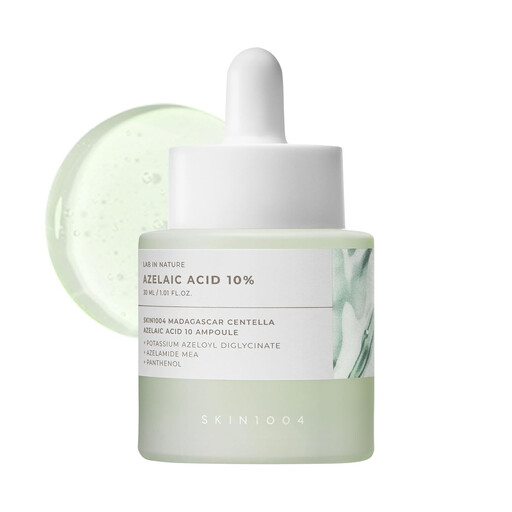
Why This Fits Their Persona: For those looking for a serum for blemish-prone skin or redness and who are prepared to introduce it gradually.
The product information lists 10% azelaic acid, Centella asiatica and a niacinamide-free formula. The brand recommends using it every other day at first.
30 ml; a targeted active formula without niacinamide, according to the supplied product description.
Keep the bottle closed and store it in a cool place away from direct sunlight. Check the expiry information on the packaging. Facial serum is intended for external use only; avoid contact with the eyes.
Browse a current selection of serums and compare volume, ingredients, texture and stated skin type before placing your order.
That depends on the formula. A simple hydrating serum can often be used daily according to the product instructions. Active serums containing azelaic acid or retinol may require a gradual introduction. Always follow the label and stop using the product if irritation occurs.
Serum is generally applied after cleansing and, if desired, toner. Follow with a moisturiser. During the day, sunscreen should be the final step. If you use several serums, first check that the formulas are compatible and avoid layering too many active ingredients.
This varies depending on the amount used and how often you apply it. At a few drops per application, 30 ml can last anywhere from several weeks to a few months. A larger bottle, such as 50 or 150 ml, may offer better value for daily use, but also check the recommended period after opening and your actual rate of use.
