
Vandaag of morgen in huis

Kwaliteit gegarandeerd

Welkomstaanbiedingen ontgrendelen: GRATIS bezorging | Tot 80% korting | Gratis 30 dagen JoyPlus-proefperiode
Download de app
A facial serum can be a valuable step between cleansing and moisturising. Its lightweight texture allows you to target a specific skin concern, such as dehydration, a dull complexion, or a weakened skin barrier. However, an expensive serum is not automatically the right fit for your skin.
Many consumers encounter the same purchasing pitfalls:
Therefore, the right choice begins not with the promise on the front label, but with your skin type, ingredients, concentration, and daily usage.
First, determine what you expect from a serum:
Do not focus solely on one popular ingredient. The order of ingredients often provides a better indication of the formula. Glycerine, butylene glycol, panthenol, and sodium hyaluronate are common humectants. Ceramides, lecithin, and certain oils can complement the formula when the skin barrier feels dry.
For a serum for sensitive skin, a simple formula, few fragrances, and gradual introduction are often practical considerations. “Dermatologically tested,” “vegan,” or “hypoallergenic” does not mean every user will tolerate the product without issues. Always check the packaging and discontinue use if persistent redness, itching, or a burning sensation occurs.
A 30 ml bottle is standard, but 50, 100, or 150 ml can be more economical if you use the product daily. A larger package is less convenient if you only apply the serum occasionally.
Additionally, check:
According to the product information for MEDICUBE PDRN Pink Exosome Shot Serum 7500, this product contains retinol. The manufacturer states that retinol may increase sensitivity to sunlight and advises daily use of sunscreen. This is a product-specific warning, not a general efficacy claim.
The selection below is based on objective product data such as volume, listed ingredients, texture, and usage instructions. Brand promises regarding firming, repair, or reduction of lines are presented as claims from the product description.
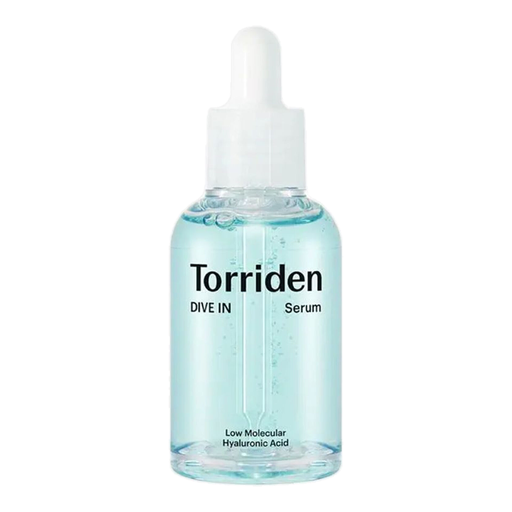
Why this fits: An accessible Korean skincare serum choice for those who primarily want to add moisture without a heavy texture.
The product information mentions five types of hyaluronic acid and a fragrance-free formula. This allows for targeted comparison rather than relying solely on “deep hydration” claims.
50 ml volume; according to the product description, it also contains panthenol, ceramide NP, and beta-glucan.
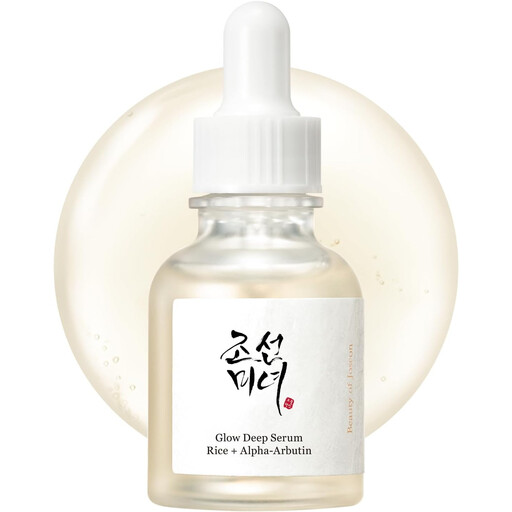
Why this fits: Suitable for those who consider a dull complexion or uneven skin tone as their primary concern.
The formula lists 2% alpha-arbutin and rice bran water. This makes the choice more concrete than a general “glow” claim.
The product data mentions a lightweight formula, niacinamide, and fragrance-free use.
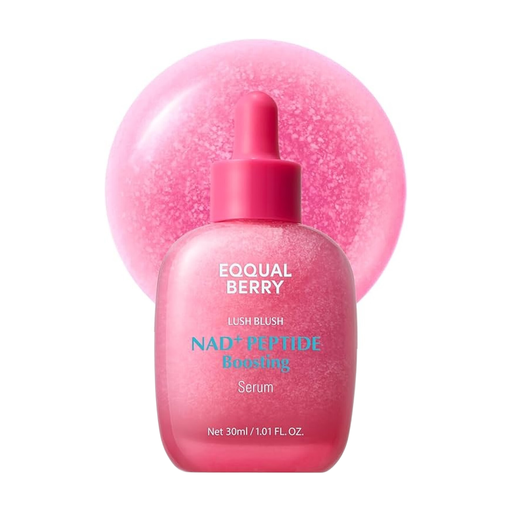
Why this fits: An option for those who want to combine hydration with a peptide serum in a daily routine for the face, neck, and décolletage.
Beyond the brand claims about NAD+ and peptides, you can examine the verifiable formula: the product description mentions five ceramides and a light, non-sticky feel.
Contains ceramides and vegan collagen according to the product information; the packaging holds 30 ml.
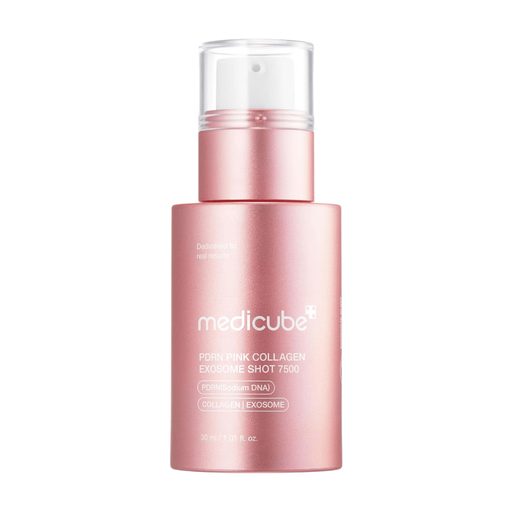
Why this fits: For users who deliberately seek a PDRN serum with multiple supplementary ingredients and follow the usage instructions carefully.
The formula contains retinol and perfume. These are clear reasons to first check the ingredient list and perform a patch test if you have sensitive skin.
According to the ingredient list, it contains multiple peptides, hyaluronic acid forms, panthenol, and retinol.
A serum does not replace a cleanser, moisturiser, or sunscreen. Also, do not expect a fixed result within a specific timeframe: skin reactions vary per person and product.
Browse a current selection of serums and compare volume, ingredients, texture, and usage instructions before ordering.
That depends on the formula. A simple hydrating serum with glycerine, hyaluronic acid, or panthenol is often intended for daily use. Serums with retinol, azelaic acid, or other active ingredients may require a more gradual introduction. Always follow the label of the specific product.
Typically, serum comes after cleansing and possibly toning, followed by a moisturiser. A hydrating serum generally works more comfortably when you apply a cream afterwards. Finish with sunscreen during the day.
A 30 ml bottle can last from several weeks to several months with daily use. This depends on the amount per application, the frequency, and the dosage of the pump or dropper. After opening, check the indicated usage period on the packaging and store the product according to the instructions.
