
Vandaag of morgen in huis

Kwaliteit gegarandeerd

Welkomstaanbiedingen ontgrendelen: GRATIS bezorging | Tot 80% korting | Gratis 30 dagen JoyPlus-proefperiode
Download de app
A facial serum can be a practical addition to your skincare routine, but not every serum suits every skin type. A hydrating serum for dry skin has different properties from a brightening serum or a serum for redness. Focusing only on a striking claim or a popular ingredient could therefore lead you to spend money unnecessarily.
A product name featuring hyaluronic acid, vitamin C, bakuchiol or PDRN may sound clear, but it does not tell you how much of the ingredient is present or how the full formula is made up. Therefore, check the INCI ingredient list. Ingredients listed earlier are generally present in higher quantities than those at the bottom of the list. This provides context, but not a complete picture of how the product works.
Pay attention to marketing claims too. Results may be mentioned based on a brand’s own research or claims, but they should not be interpreted as guaranteed results for every user.
A rich gel can feel pleasant on dehydrated or dry skin, but may feel heavy on oily skin. A formula containing active ingredients, such as azelaic acid or vitamin C, may be appealing to some users, but often needs to be introduced gradually. You should therefore test a serum for sensitive skin on a small area of skin first.
Fragrance, alcohol and several active ingredients used in one routine can also affect individual tolerance. Always check the current packaging, as ingredients may change.
Applying several serums on top of one another may seem efficient, but it makes it difficult to determine which product works well or causes irritation. Start with one goal, such as hydration, and only add a second product later. During the day, sunscreen should be part of a routine that includes a brightening serum or other active ingredients.
Use this overview as a starting point:
A gel texture usually spreads easily and works well under a day cream. A lotion-like formula can feel comfortable for daily use. Also check the volume: 30 ml is common for a concentrated facial serum, while a 50, 100 or 150 ml bottle may be more appealing if you use the product generously or more frequently.
A pump bottle limits direct contact with the contents. A dropper can provide precise dosing, but requires hygienic use: do not touch the skin with the dropper.
Usually apply a serum after cleansing and, if required, using a toner, followed by a moisturiser. Stick to the recommended amount; using more product does not automatically mean better results. With active formulas, a patch test is advisable.
Do not use a product on damaged skin and avoid contact with the eyes. Stop using it if you experience persistent redness, swelling, itching or a burning sensation, and seek medical advice if necessary. With retinol and some brightening ingredients, daily sun protection is particularly important.
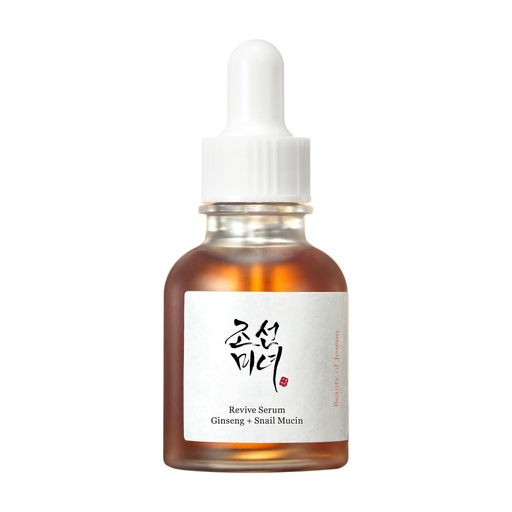
Why it suits this profile: The gel texture and combination of glycerine, sodium hyaluronate, hyaluronic acid and niacinamide make this a straightforward choice for anyone beginning their hydration and skincare routine.
The product information lists the ingredients and clearly states a dosage of 1 to 2 pumps. This means you do not have to rely on a single marketing claim.
30 ml, pump bottle, gel texture and, according to the product details, free from alcohol and parabens.
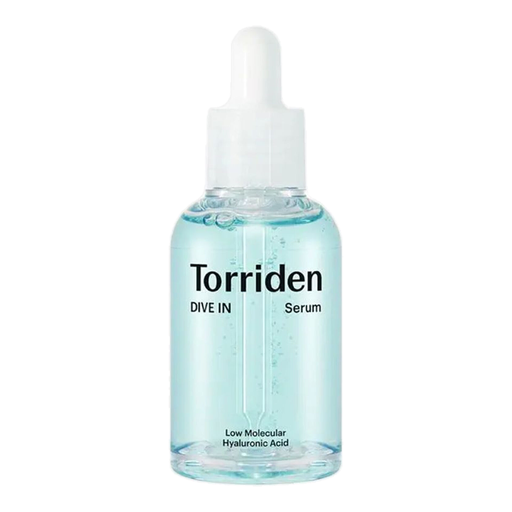
Why it suits this profile: This Korean skincare serum has a clear focus on hydration and, according to the product description, contains five types of hyaluronic acid, as well as panthenol, ceramide NP and beta-glucan.
The formula is not based on just one ingredient: the product information also mentions a fragrance-free composition and additional barrier-supporting ingredients.
50 ml, fragrance-free according to the product description and stated to be suitable for all skin types.
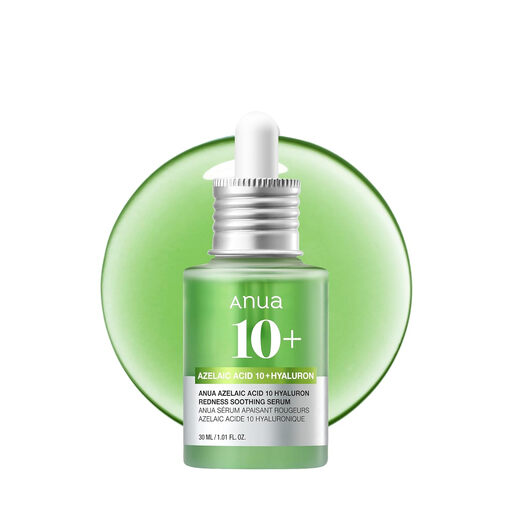
Why it suits this profile: Anyone specifically looking for a serum for redness or a formula containing azelaic acid will find a product here with 10% azelaic acid, panthenol, allantoin, niacinamide and ceramide NP.
The directions for use recommend introducing it gradually: start with 1 to 2 applications per week and patch-test first if you have sensitive skin.
10% azelaic acid, hyaluronic acid, panthenol and ceramide NP; suitable for a gradual routine.
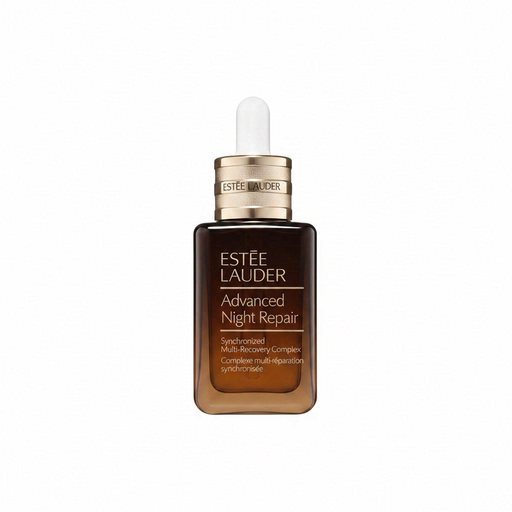
Why it suits this profile: According to the product information, the formula is intended for all skin types and combines ingredients including bifida ferment lysate, glycerine, sodium hyaluronate, squalane and peptides.
The packaging contains 50 ml and the product information states that it can be used morning and evening. However, always check the current claims and ingredients on the packaging yourself.
50 ml, hydrating ingredients and a formula containing peptides and ferment ingredients.
We have put together a complete, up-to-date list of products that fully meet these strict selection criteria and the applicable European safety regulations.
Introduce active ingredients gradually. For example, do not immediately use several products containing vitamin C, acids, retinol or azelaic acid. A simple hyaluronic acid serum is often easier to combine with other steps than a formula containing several powerful active ingredients.
You usually apply a serum after cleansing and before a moisturiser. With active formulas, always follow the instructions on the packaging. Some products are suitable for both morning and evening use, while other brands mainly recommend using them in the evening.
This depends on the volume and dosage. A 30 ml bottle can last from several weeks to several months with daily use. Use the recommended amount and check the open-jar symbol for the period after opening, such as 6M or 12M. Store the serum in a cool, dry place away from direct sunlight.
The price varies depending on the brand, volume, ingredients and packaging. Therefore, do not compare just the price of the bottle: also consider the amount per millilitre, the recommended dosage and the period after opening. An affordable hydrating serum may be sufficient if hydration is your main goal; for a targeted routine, other ingredients may be more important.
