
Vandaag of morgen in huis

Kwaliteit gegarandeerd

Welkomstaanbiedingen ontgrendelen: GRATIS bezorging | Tot 80% korting | Gratis 30 dagen JoyPlus-proefperiode
Download de app
A facial serum can be a targeted addition to your daily routine. However, it is not wise to rely solely on words such as “glow”, “lifting” or “intensive repair”. The formula, concentration, directions for use and shelf life determine whether a serum is practical for you.
A serum containing lots of active ingredients may seem appealing, but several potent substances can place unnecessary stress on the skin. For example, a vitamin C serum with 23% ascorbic acid requires careful use and a patch test. You will also generally need to introduce a retinol serum or retinal serum gradually.
Do not just look at marketing claims. Check:
A product description may say that a serum is suitable for all skin types, while your skin may still react differently to retinol, acids, fragrance or a rich, oily texture. A hydrating serum with hyaluronic acid is usually a logical choice for dehydrated skin, but ingredients such as panthenol, ceramides and beta-glucan are also relevant when the skin barrier is weakened.
For oily or blemish-prone skin, a lightweight gel texture may feel more comfortable than a rich serum. If your main aim is to reduce redness, look for a formula with soothing ingredients and clear instructions on how to build up usage.
According to a brand’s own research or claims, certain serums may help improve the appearance of fine lines, uneven skin tone or dullness. This is not a guarantee for every skin type. During the day, use a sunscreen with an appropriate SPF, especially when using retinol, retinal, vitamin C or exfoliating ingredients.
A higher concentration is not automatically more practical. According to the product information, Vitamin C23 contains 23% ascorbic acid and should be refrigerated after opening and preferably used within two months. This makes this type of vitamin C serum less suitable if you only use a serum occasionally.
A retinol or retinal product is generally used in the evening. Start, for example, every other evening or twice a week, depending on the instructions. Do not immediately combine several potent actives in the same routine.
Check whether you are buying a gel, lotion, ampoule, capsule or classic serum. A capsule format, such as the 10.5 ml Roc Retinol Correxion Line Smoothing Night Serum, provides a measured dose each time but contains less overall product than a 30 or 50 ml bottle.
Also check:
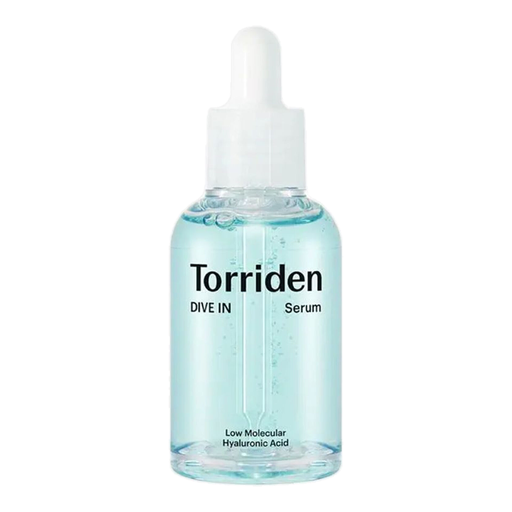
Why it suits this profile: The formula contains five types of hyaluronic acid and is fragrance-free according to the product information. This makes it a straightforward choice if hydration is your main priority.
The ingredients focus on hydrating care, without making you start straight away with retinol or a high percentage of vitamin C.
50 ml; hyaluronic acid, panthenol, ceramide NP and beta-glucan; suitable for all skin types according to the product information.
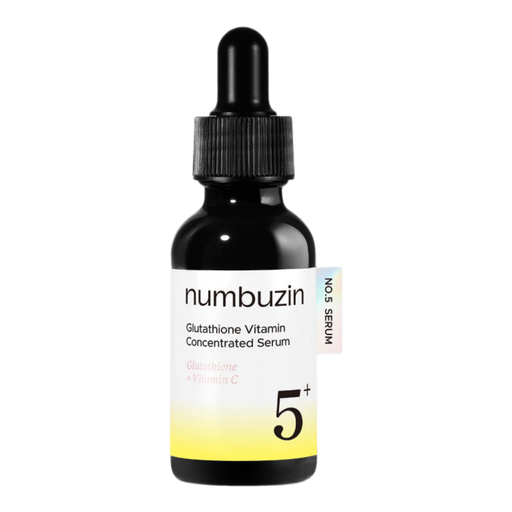
Why it suits this profile: This Korean skincare serum combines niacinamide, tranexamic acid, 3-O-ethyl ascorbic acid, alpha-arbutin and sodium hyaluronate, among other ingredients.
The product has been selected based on its listed ingredients, not just the term “vitamin serum”. Use SPF during the day and stop if irritation occurs, as stated on the packaging.
30 ml; also contains ceramide NP, panthenol, allantoin and sodium hyaluronate; use in the morning and evening according to the description.
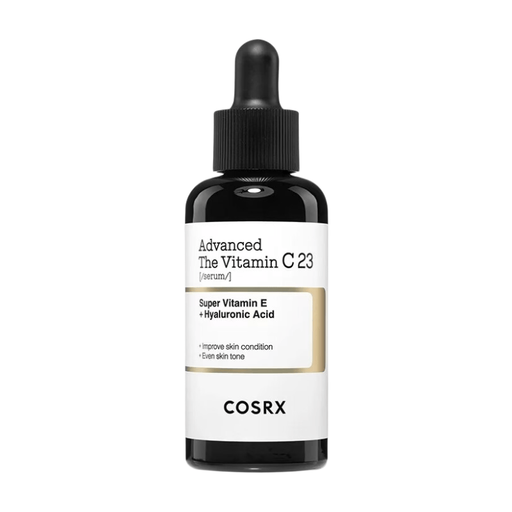
Why it suits this profile: If you want to use a highly concentrated vitamin C serum deliberately, this formula clearly specifies its 23% ascorbic acid content.
The high concentration is stated explicitly. The directions recommend a patch test, refrigeration and caution when combining it with retinol.
20 ml; 23% ascorbic acid; contains panthenol, squalane and sodium hyaluronate; clear storage and safety instructions.
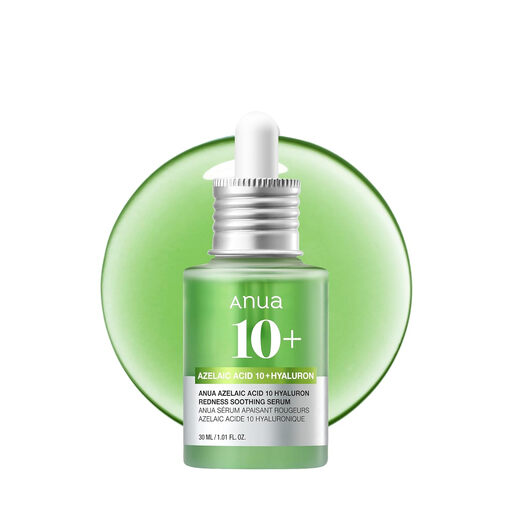
Why it suits this profile: The formula contains 10% azelaic acid, panthenol, allantoin, hyaluronic acid, ceramide NP and centella ingredients.
The instructions recommend starting with once or twice a week. This prevents you from using an active serum too often straight away.
30 ml; azelaic acid, hyaluronic acid and ceramide NP; clear warnings about patch testing and using SPF.
We have put together a complete, up-to-date list of products that fully meet these strict selection criteria and the applicable European safety regulations.
Preferably use retinol and retinal in the evening. During pregnancy or breastfeeding, check the warnings for the specific product and seek medical advice if in doubt. A cosmetic serum is not a treatment for a skin condition.
It depends on the formula. According to the product information, a hydrating serum with hyaluronic acid can often be used daily. With retinol, retinal, azelaic acid or a high concentration of vitamin C, it is wiser to build up usage gradually. Always follow the label and reduce the frequency if irritation occurs.
Shelf life varies by product. Check the expiry date and the period-after-opening symbol on the packaging. Some vitamin C serums require extra care:, for example, recommends refrigeration and use within two months of opening to preserve the active ingredients.
Sometimes, but do not combine several potent active ingredients without a plan. A hydrating serum with hyaluronic acid can often be used alongside another serum. It is better to introduce retinol, retinal, high concentrations of vitamin C and exfoliating acids at different times. This makes it clear which products your skin tolerates well.
