
Vandaag of morgen in huis

Kwaliteit gegarandeerd

Welkomstaanbiedingen ontgrendelen: GRATIS bezorging | Tot 80% korting | Gratis 30 dagen JoyPlus-proefperiode
Download de app
A facial serum can be a simple way to make your routine more targeted. Yet the choice is vast: from a Korean facial serum with centella asiatica to a hyaluronic acid serum, niacinamide serum or vitamin C serum. Attractive packaging and words like “glow” or “intensive” say little on their own about whether a product suits your skin.
The right choice doesn’t start with the promise on the front, but with the active ingredients, concentration, texture and directions for use.
More ingredients don’t automatically mean a serum is a better match for you. For a serum for sensitive skin, a simple formula can actually be easier to gauge. Focus on the first few ingredients on the list and on actives that are clearly stated with a percentage.
For example: the ANUA serum states 10% niacinamide and 4% tranexamic acid. That’s more concrete than a generic claim like “for an even complexion”.
A serum for dark spots, a serum for blemishes or a serum for redness can contain actives that don’t feel comfortable for everyone. Azelaic acid, vitamin C and retinal often call for a gentle build-up. Start with a small amount and don’t use the product multiple times a day straight away.
ANUA’s product information advises starting the azelaic acid serum with 1 to 2 drops, once or twice a week, and gradually increasing the frequency. That’s more relevant than only looking at the percentage on the front.
A hydrating serum doesn’t have to feel sticky. Ingredients such as glycerin, panthenol and hyaluronic acid can come in a light lotion or gel texture. Also check whether you’ll still need a moisturiser afterwards. A serum for dry skin doesn’t always replace a cream, especially if your skin feels dry or tight.
Use one primary goal as your starting point:
A product claim remains a brand’s claim. According to a manufacturer’s own product description, an ingredient may contribute to a brighter, smoother or calmer look, but results vary from person to person.
A percentage makes a formula easier to compare, but it doesn’t tell the whole story of the overall composition. Also pay attention to:
According to the product information, the Vitamin C23 serum contains 23% ascorbic acid and must be stored in the fridge. The usage instructions also advise a patch test and daytime sun protection. That makes this type of vitamin C serum less of an obvious choice for beginners than a milder formula.
Don’t start using multiple strong active serums at the same time. A hyaluronic acid serum can usually be paired easily with a moisturiser. With retinal, high concentrations of vitamin C, azelaic acid or exfoliating ingredients, more caution is needed.
Apply a serum after cleansing and optional toning. Finish with a moisturiser. Use sunscreen during the day when the product information advises it or when your routine includes ingredients that can make skin more sensitive to sunlight.
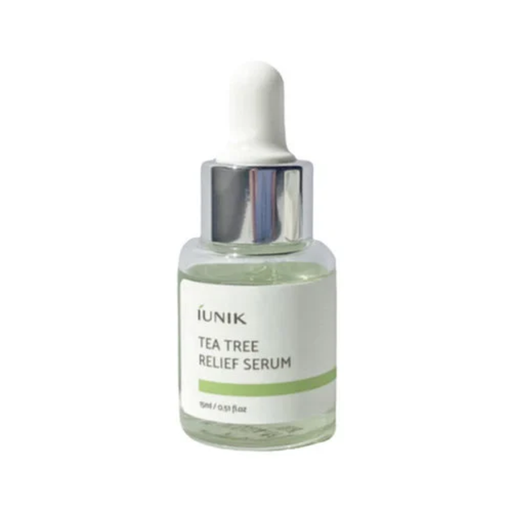
Why this suits the profile: The small size makes it practical to try a Korean facial serum first, or to take it with you when travelling. The product description cites a formula with 67% tea tree leaf water and 19.7% centella asiatica extract.
The 15 ml volume limits your spend when you’re not yet sure how your skin will react to tea tree or niacinamide.
Compact size; according to the product information it contains niacinamide and adenosine.
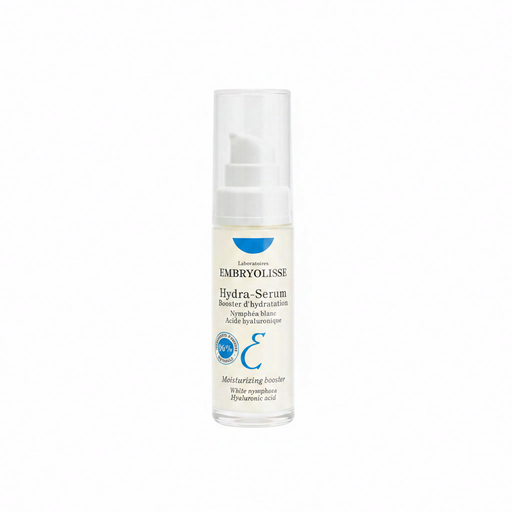
Why this suits the profile: A logical choice if you’re mainly looking for hydration without a heavy feel on the skin. The manufacturer lists hyaluronic acid, white waterlily and a light, fast-absorbing texture.
The product information clearly states the goal, texture, volume and usage amount instead of just a general glow promise.
30 ml; according to the manufacturer, suitable for all skin types and dermatologically tested.
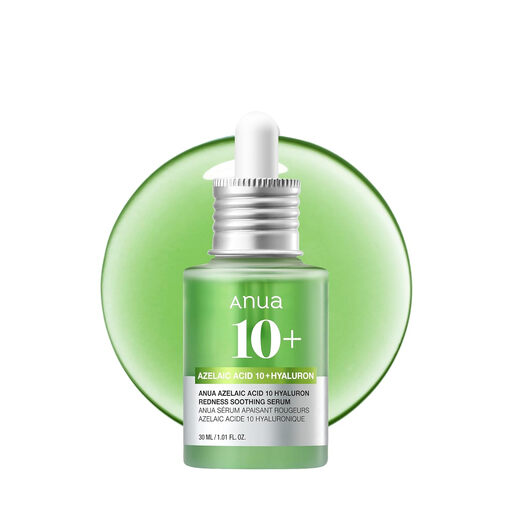
Why this suits the profile: This serum targets users who want to incorporate azelaic acid into a routine for skin that looks unsettled or uneven. The formula contains 10% azelaic acid, panthenol, hyaluronic acid and centella asiatica.
The instructions emphasise a slow build-up, patch testing and sun protection. That helps you avoid using too much product straight away.
10% azelaic acid; also contains ceramide NP, beta-glucan and sodium hyaluronate.
We’ve compiled a complete, up-to-date list of products that fully meet these strict selection criteria and current European safety regulations.
First cleanse your face and optionally apply toner. Then use a few drops of serum on the skin. Gently pat it in and finish with a moisturiser. During the day, sunscreen is the final step in your routine. Always check the specific instructions for use, especially with retinal, vitamin C or azelaic acid.
That depends on the volume and dosage. A 30 ml bottle will often last longer with daily use than a miniature of 9 or 15 ml, but usage varies from person to person. Look at the recommended amount and respect the period after opening. A product like Vitamin C23 has additional storage advice according to the product information and must be used within the indicated period after opening.
Sometimes you can, but don’t combine multiple strong actives without careful thought. A hydrating serum with hyaluronic acid often fits alongside a targeted serum. Use retinal, a high concentration of vitamin C, salicylic acid and azelaic acid preferably in a staggered way or at different times. If irritation occurs, stop the new product and allow your skin to settle.
