
Vandaag of morgen in huis

Kwaliteit gegarandeerd

Welkomstaanbiedingen ontgrendelen: GRATIS bezorging | Tot 80% korting | Gratis 30 dagen JoyPlus-proefperiode
Download de app
A facial serum ampoule can be a targeted addition to your daily skincare routine. But it’s best not to rely solely on words such as “glow”, “repair” or “intensive”. The formula, concentration, packaging and directions for use are far more important when deciding whether a serum is right for your skin.
There’s a wide range to choose from, especially in Korean skincare. Options include a Korean facial serum, a hydrating serum, a Centella ampoule, a brightening serum and formulas containing vitamin C, retinol or azelaic acid. Read on to find out what to look for before you order.
A long INCI list doesn’t automatically mean a product is better suited to your skin. Start by looking for ingredients that match your needs:
Be wary of conflicting marketing claims, too. For example, a product may be marketed as a hyaluronic acid serum, but the current ingredient list on the packaging is what matters. Always check the INCI before you buy.
A serum for sensitive skin won’t necessarily suit everyone. Fragrances, essential oils, alcohol, acids or retinoids can cause a reaction in some people. Your skin can also change with the seasons: the dry indoor air in winter may call for a different texture from the warm, humid weather of summer.
A patch test on a small area of skin can’t guarantee that you won’t react, but it can reduce the risk of an unexpected reaction. Stop using the product if redness, itching, swelling or a burning sensation persists, and seek advice from a healthcare professional if needed.
A 100 ml ampoule may seem like good value, but a small bottle with an active formula may be intended for limited use. So consider:
First, decide what you want to address. For skin that feels tight, a hyaluronic acid serum with glycerin or panthenol may be a better choice than a retinol serum. If your skin looks dull, consider a brightening serum with niacinamide, tranexamic acid or a vitamin C derivative.
If you’re looking for a serum for redness or a serum for sensitive skin, compare ingredients such as Centella Asiatica, panthenol and dipotassium glycyrrhizate. For acne-prone skin, the texture, fragrance and active ingredients are especially important. An azelaic acid serum may be an option, but follow the product instructions and start by using it infrequently.
A higher percentage isn’t automatically more practical. With 10% azelaic acid, retinol or retinal, it’s usually best to build up slowly rather than apply a generous amount every day. According to the stated ingredient list, the SKIN1004 Madagascar Centella Retinol 0.2 Boosting Shot Ampoule contains both retinol and retinal. The product information recommends starting with use in the evening only, two to three times a week.
When using retinoids, wear broad-spectrum sunscreen with at least SPF 30 during the day, as stated in the product warning. Don’t use retinol or retinal products during pregnancy or while breastfeeding unless advised to do so by a healthcare professional.
A watery ampoule sits well under moisturiser and sunscreen. A richer serum may feel more comfortable on dry skin, but less so on oily or combination skin.
Cosmetics placed on the EU market are subject to rules covering, among other things, ingredient information, safety assessments, labelling and a responsible person. Check the packaging for the current INCI, volume, shelf life, batch information and warnings. If the online product information differs, the packaging takes precedence.
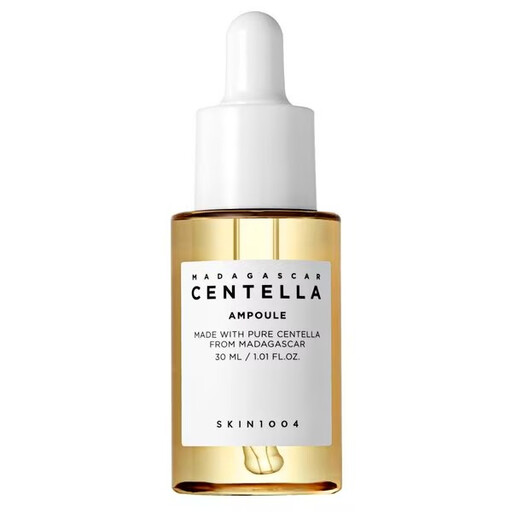
Why it suits this profile: Its simple formula with Centella Asiatica and a lightweight texture makes it a straightforward choice if you’re new to using an ampoule every day.
The product information describes a non-sticky texture and a short ingredient list, so there’s less guesswork when making your first purchase.
30 ml, a watery texture and Centella Asiatica as the key ingredient.
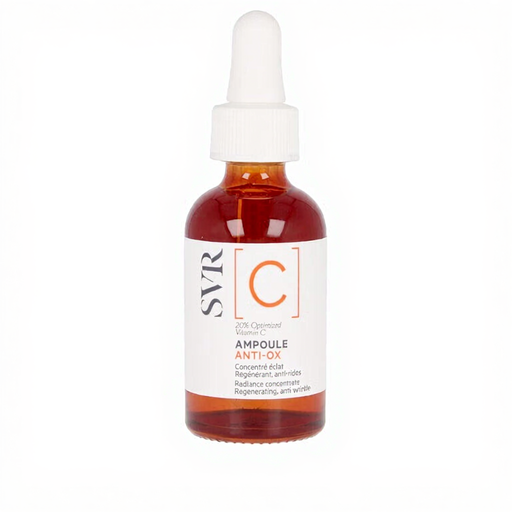
Why it suits this profile: If you’re looking for a vitamin C serum, this formula gives you a stated percentage and a stable vitamin C derivative to compare.
The product description lists 20% optimised vitamin C and 3-O-Ethyl Ascorbic Acid. Check the current packaging for the official ingredients.
30 ml, a vitamin C derivative and sodium hyaluronate, according to the product description.
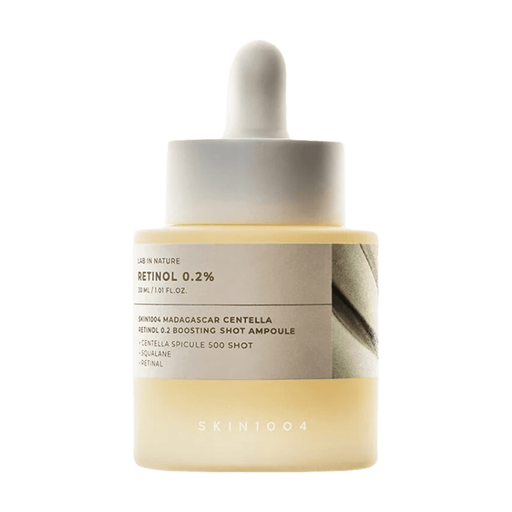
Why it suits this profile: This ampoule is designed for users who want to add retinol and retinal to their evening routine and follow the instructions for building up use.
The product information recommends starting two to three times a week, patch testing and avoiding irritated skin.
9 ml, with both retinol and retinal in the ingredient list; for evening use only, according to the stated instructions.
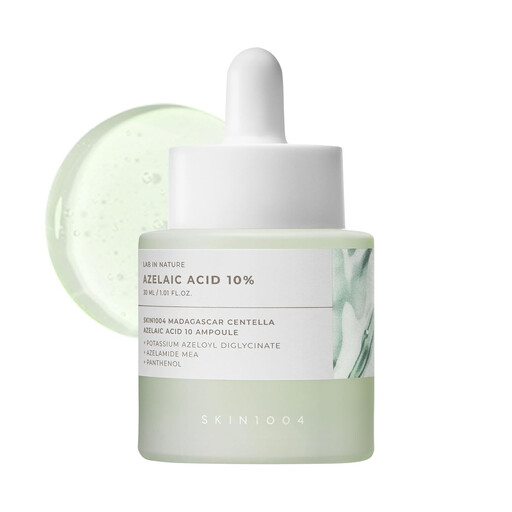
Why it suits this profile: The formula is niacinamide-free and, according to the product information, contains 10% azelaic acid and Centella Asiatica.
The directions recommend starting with one to two applications a week. This helps you avoid using an active formula too often straight away.
30 ml, 10% azelaic acid according to the product name, and a niacinamide-free formula.
We’ve put together a complete, up-to-date list of products that meet these strict selection criteria and the applicable European safety requirements.
Don’t start by combining several strong active ingredients. A simple hydrating serum can be used on rest days alongside a more active product, but always check the specific directions for use.
The terms are often used interchangeably in cosmetics. An ampoule usually refers to a concentrated or targeted formula, while “serum” is a broader product category. Focus on the ingredients, texture and directions for use.
It depends on the volume and how many drops you use each time. A 30 ml bottle may last from several weeks to a few months with daily use. Check the period-after-opening symbol, such as 12M, and store the product in a cool place away from direct sunlight if the packaging recommends it.
A hydrating serum is often used alongside retinol to make your routine more comfortable. Apply the products in thin layers and introduce retinol gradually. If you experience irritation, are pregnant or are breastfeeding, follow the warnings on the packaging and seek advice from a healthcare professional.
