
Vandaag of morgen in huis

Kwaliteit gegarandeerd

Welkomstaanbiedingen ontgrendelen: GRATIS bezorging | Tot 80% korting | Gratis 30 dagen JoyPlus-proefperiode
Download de app
A facial serum ampoule can be a practical addition to your daily skincare routine. However, it is not always clear which product is right for your skin. One ampoule may focus mainly on hydration, while another formula contains retinol, azelaic acid or ingredients designed to create a more even-looking complexion.
Marketing terms can sometimes make comparisons difficult. Instead, pay particular attention to the ingredients list, directions for use and product quantity. This will help you avoid buying a serum that is too active for your skin, proves inconvenient to use or does not really match your needs.
More ingredients do not automatically mean that a serum will be better suited to your skin. For a hydrating serum, for example, you could look for glycerine, panthenol, betaine and hyaluronic acid. If you are mainly looking for a soothing serum, centella asiatica, madecassoside or allantoin are often worth considering.
Also check which ingredients may be less suitable for your skin. Alcohol denat., fragrance, essential oils or several active ingredients may feel less comfortable for some users. This varies from person to person.
A retinol serum or azelaic acid serum usually calls for a gradual start. Applying it too often may leave your skin feeling tight or irritated. Follow the instructions on the packaging and test a new product on a small area of skin first.
Products containing retinol or retinal require extra care. The SKIN1004 Madagascar Centella Retinol 0.2 Boosting Shot Ampoule mentioned above contains both vitamin A derivatives and has a spicule texture. According to the product information, temporary tingling or redness may occur. Use the product only as directed on the label and do not use it during pregnancy or while breastfeeding unless advised otherwise by a healthcare professional.
A 30 ml ampoule and a 100 ml bottle are not directly comparable. Consider the quantity, recommended number of drops and shelf life after opening. Single-dose ampoules, such as the Rilastil pack containing 10, are designed to be used immediately after opening. This may help reduce waste, but the price per application may work out differently from that of a pump or dropper bottle.
Use your skin concern as the first filter:
Not every label states a percentage. Where it does, you can compare products more effectively. The ANUA Azelaic Acid 10 Hyaluron Redness Soothing Serum states that it contains 10% azelaic acid, along with panthenol, allantoin, niacinamide and sodium hyaluronate, among other ingredients.
If you prefer to avoid niacinamide, you could consider the SKIN1004 Azelaic Acid 10% Ampoule. The product description states that this formula is niacinamide-free. Do not automatically use all your active serums at the same time. Retinol, acids and vitamin C derivatives in particular may feel too intense when combined.
A serum is usually applied after cleansing and, if desired, toner, and before moisturiser. During the day, sun protection is important whenever the packaging advises it or when you are using a formula containing retinol, retinal, acids or vitamin C derivatives. Follow the product instructions and check the latest ingredients list on the packaging, as formulas may change.
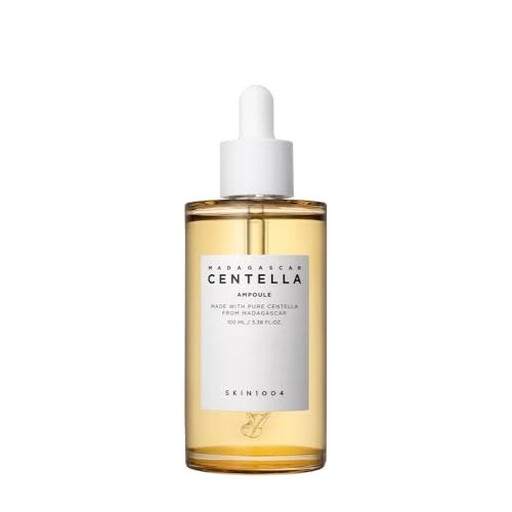
Why it suits this profile: A simple centella ampoule in a medium-sized bottle for anyone who wants to try a hydrating and soothing serum without choosing a large bottle straight away.
The product description focuses on centella asiatica and hydration, making it easy to assess the formula without combining lots of different active ingredients.
55 ml content; lightweight serum texture according to the product information; suitable for use on the face.
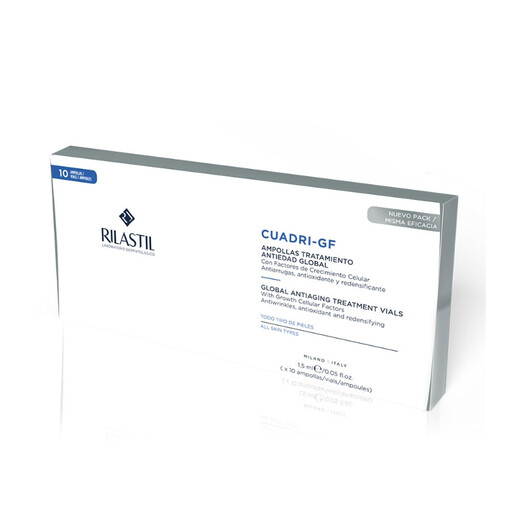
Why it suits this profile: A good choice for anyone who values a measured treatment and a formula containing sodium hyaluronate, ferulic acid and oat extract, among other ingredients.
The pack contains single-dose ampoules, so you do not need to store an opened ampoule. This is convenient when following a course or using the product as planned.
10 individual ampoules; contains hyaluronic acid according to the product details; listed as fragrance-free in the product specifications.
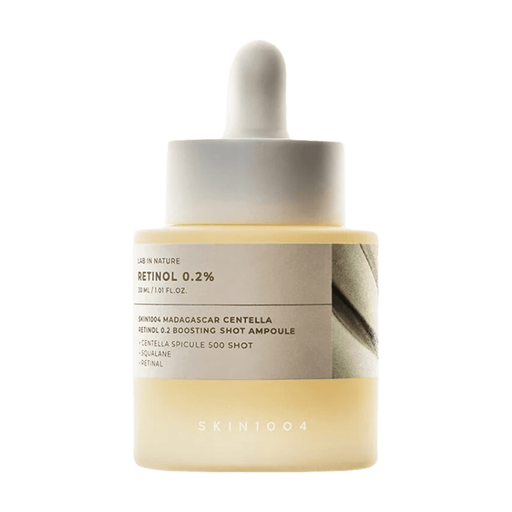
Why it suits this profile: Designed for users who want to incorporate a retinol serum into their routine consciously and are prepared to build up usage gradually.
The directions recommend an adjustment phase of 2 to 3 times a week and advise using the product in the evening only. This helps prevent applying it too frequently from the outset.
9 ml pack; retinol and retinal are listed among the ingredients; also contains squalane, panthenol and sodium hyaluronate.
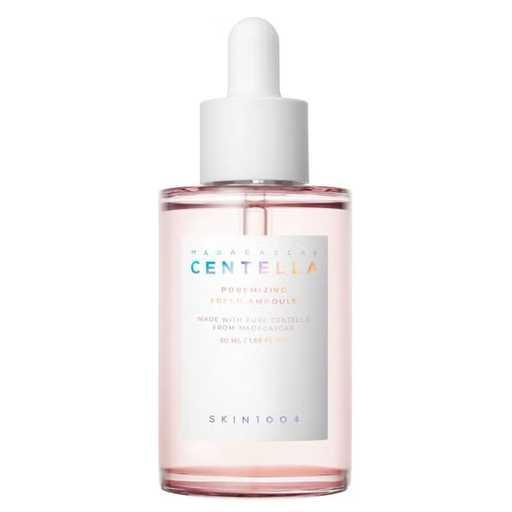
Why it suits this profile: The lightweight texture and positioning as a pore-refining serum suit anyone who does not want a heavy or greasy feel on the skin.
The product details list ingredients, skin types and texture separately, allowing you to check whether the combination suits your routine.
100 ml content; contains centella asiatica, panthenol and various forms of hyaluronic acid; stated as suitable for combination, oily and sensitive skin.
We have put together a complete, up-to-date list of products that fully meet these strict selection criteria and the applicable European safety regulations.
Do not introduce all your new active products at the same time. Give your skin time to adjust to one formula. If redness, itching, swelling or a burning sensation persists, stop using the product and seek medical advice.
The terms are not always used in the same way in cosmetics. An ampoule often refers to a concentrated or targeted formula, while a serum is a broader product category. Therefore, focus on the ingredients, texture, quantity and directions for use rather than the name alone.
This depends on the quantity and the amount used each time. A 100 ml bottle will generally last longer than a 30 ml pack, but frequency of use also makes a difference. With single-dose ampoules, use each portion immediately after opening. Check the expiry date and the period after opening on the packaging.
For some routines, this may feel too intense, especially if your skin is not yet used to active ingredients. Start with one product, use it as directed and build up gradually. You could alternate products on different evenings. If you are unsure or have sensitive skin, it is sensible to seek advice from a doctor or pharmacist.
