
Vandaag of morgen in huis

Kwaliteit gegarandeerd

Welkomstaanbiedingen ontgrendelen: GRATIS bezorging | Tot 80% korting | Gratis 30 dagen JoyPlus-proefperiode
Download de app
Dry or sensitive facial skin does not automatically require the most expensive jar of cream. The right choice depends primarily on the ingredients, texture and the way your skin responds. A moisturising facial cream may feel pleasant yet still be too lightweight when your skin feels tight. Conversely, a very rich formula can feel uncomfortable under makeup.
In this guide, you’ll learn what to look for in a facial cream for dry skin or facial cream for sensitive skin, which marketing claims deserve closer scrutiny and which products suit different usage situations.
Terms such as “intensive hydration”, “72 hours” or “repairing” sound clear, but they do not always explain how the cream will work for your skin. According to NIVEA’s product description, the Repair & Care Urea Cream is based on a self-assessment involving 41 volunteers, with skin assessed 72 hours after two weeks of use. That is useful information, but it is not a guarantee for every skin type.
That is why you should also review the complete ingredient list. Glycerin, urea, panthenol and hyaluronic acid help attract or retain moisture. Oils, butters, silicones and occlusive ingredients can help limit moisture loss at the skin’s surface.
A product may be described as gentle or suitable for sensitive skin while still containing fragrances, essential oils or botanical extracts. For example, Dear, Klairs Rich Moist Soothing Cream contains lemon, lavender, orange, geranium, ylang-ylang and eucalyptus oils, among other ingredients. The product information also warns of potential fragrance allergens.
If your skin is prone to redness or a burning sensation, choose a simple formula wherever possible and test a small amount on a limited area of skin first. Discontinue use if irritation occurs, and seek advice from a doctor or dermatologist if symptoms persist.
A large container may offer an attractive price per millilitre, but a body cream can have a heavier texture or contain perfume. According to the product description, NIVEA Repair & Care Urea Cream is a body cream for very dry and rough skin. If you decide to use it on your face, pay attention to how your skin responds and follow the instructions on the packaging.
Several types of ingredients can be useful in a moisturising cream:
A hyaluronic acid cream is not always enough for very dry skin. A formula combining it with richer ingredients may be more suitable if your skin quickly starts to feel tight again.
A skin barrier cream often contains ceramides, cholesterol, fatty acids, lecithin or silicones. A ceramide cream may be worth considering if you want dry skin to feel more comfortable. The Ceramide Skin Barrier Moisturizer lists multiple ceramides, cholesterol, panthenol, squalane and several forms of hyaluronic acid among its ingredients.
Always check the current packaging, however. Formulas can change, and the product packaging is the definitive source for ingredients, shelf life and directions for use.
A lightweight cream is convenient during the day or beneath sunscreen and makeup. A rich balm or night cream is better suited to dry skin that needs extra comfort in the evening. If you are looking for an anti-ageing facial cream, also pay attention to exfoliating ingredients. According to the product description, Topicrem AH Theavit contains glycolic acid. This may affect skin tolerance and requires extra care if you have sensitive skin.
During the day, use a sunscreen product according to its directions. An ordinary facial cream does not replace sun protection.
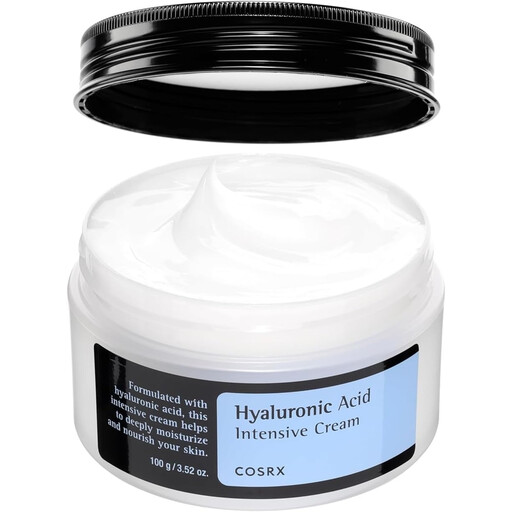
Why it suits this profile: The formula contains glycerin, betaine, sodium hyaluronate and allantoin. With 100 g of product, it is a practical option for daily use when you are looking for a straightforward moisturising cream.
The ingredient list is more streamlined than that of many heavily fragranced creams. Before buying, check whether the texture is rich enough for your dry skin.
100 g of product; glycerin and hyaluronic acid listed; also contains sunflower oil and macadamia oil.

Why it suits this profile: According to the ingredient list, this formula combines ceramides, cholesterol, squalane, panthenol and hyaluronic acid. That makes it a good fit for shoppers specifically seeking barrier-supporting ingredients.
The choice is not based solely on a claim on the front of the packaging: the listed INCI ingredients make it clear which barrier-supporting and moisture-binding ingredients are present.
80 ml of product; multiple ceramides; cholesterol, squalane and various forms of hyaluronic acid listed.
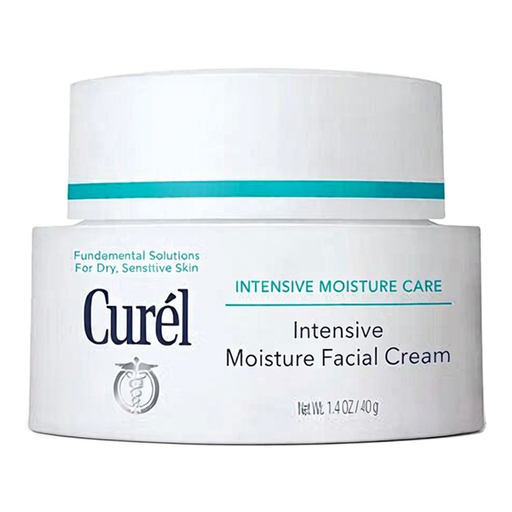
Why it suits this profile: The product information mentions dry and sensitive skin, a lightweight texture and use on the face as part of daily skincare.
The product description specifically associates the cream with dry, sensitive skin and makes no broad anti-ageing promise that overshadows its core moisturising function.
40 g of product; designed for dry and sensitive skin; lightweight texture according to the product description.
We have compiled a complete, up-to-date list of products that fully meet these strict selection criteria and the applicable European safety regulations.
Apply the cream after gentle cleansing, preferably while your skin is still slightly damp. Start with a small amount and add more only if your skin needs it. A simple routine consists of:
Store the cream according to the instructions on the packaging and check the shelf-life information. An opened jar may become contaminated more quickly than a tube, particularly when you repeatedly remove the product with your fingers.
Look for a combination of moisture-binding ingredients such as glycerin, urea or hyaluronic acid, alongside soothing or occlusive ingredients such as shea butter, oils, squalane or silicones. For very dry skin, a richer cream may feel more comfortable in the evening than a lightweight gel cream.
Ceramides are often used in products designed to support the skin barrier. That does not mean every ceramide formula is suitable for everyone. Check the complete ingredient list for perfume, essential oils and other substances to which you have previously reacted. Test a new product on a small area of skin first.
That depends on the product size, how much you use each time and when you apply it. With daily use, a 40 to 50 ml cream will generally run out sooner than an 80 or 100 ml package. Always follow the expiry date and the period-after-opening symbol on the packaging, and stop using the product if its scent, colour or texture changes noticeably.
