
Vandaag of morgen in huis

Kwaliteit gegarandeerd

Welkomstaanbiedingen ontgrendelen: GRATIS bezorging | Tot 80% korting | Gratis 30 dagen JoyPlus-proefperiode
Download de app
Facial cleansing wipes seem simple enough: grab a wipe, clean your face and throw it away. Yet products vary greatly in material, size, moisture content, packaging and usage. The wrong choice can lead to wipes that dry out quickly, leave lint behind, or are an awkward size for daily use.
This guide helps you compare facial cleansing wipes based on verifiable product specifications. That way, you can make a more informed choice between disposable face wipes, dry face wipes and wet make-up remover wipes.
A pack with lots of wipes might seem like good value, but consider the layout too. A large pack containing several separate bundles is often more practical than one open supply that dries out quickly. Also check the number of wipes per pack, the dimensions and the price per wipe.
For a family, a large pack of face wipes could be a good option. For a student, someone who exercises or a traveller, a smaller pack is easier to carry around.
Words like soft, cottony or skin-friendly don't always describe the same properties. So look at the stated material, texture and size. Viscose, lyocell and plant-based non-woven fibres can feel different to classic cotton.
A textured surface, such as a pearl pattern, may offer extra grip according to the product description. That doesn't automatically mean every skin type will have the same experience. Try a new product carefully at first and stop if you notice redness, itching or irritation.
Wet face wipes contain a cleansing formula. So check the ingredients, fragrances and instructions for use. Product claims such as "hydrating", "soothing" or "suitable for sensitive skin" come from the manufacturer. According to the product information from the brand in question, a formula may be intended for that purpose, but this is no guarantee for every user.
Dry face wipes offer more flexibility: you can use them dry or moisten them yourself with clean water. They don't automatically replace a full cleansing routine.
Pay attention to the stated main material type. The range includes viscose, lyocell and plant-based non-woven fibres. For daily face towels, a soft touch, minimal linting and sufficient strength are practical points to consider.
If you're looking for cotton face wipes, read the product description carefully. "Cotton-soft" doesn't always mean the wipe is made entirely of cotton. Check whether the material is actually listed as cotton or whether it's a soft fibre blend.
With dry face wipes, you add the water yourself. That's handy when you want to use one product for different situations, such as for hands, face and a quick clean. According to the product information for the ochama models mentioned, these wipes are suitable for both dry and wet use.
Wet and dry face wipes each offer different convenience:
A wipe measuring approximately 200 × 200 mm offers more surface area than a small cleansing wipe. That can be useful when removing make-up or when you want to use one wipe for your face and hands.
None of these facial cleansing wipes should be flushed down the toilet. Dispose of used wipes in the bin. Keep opened packs tightly sealed and store dry wipes away from damp areas, such as right next to the shower.
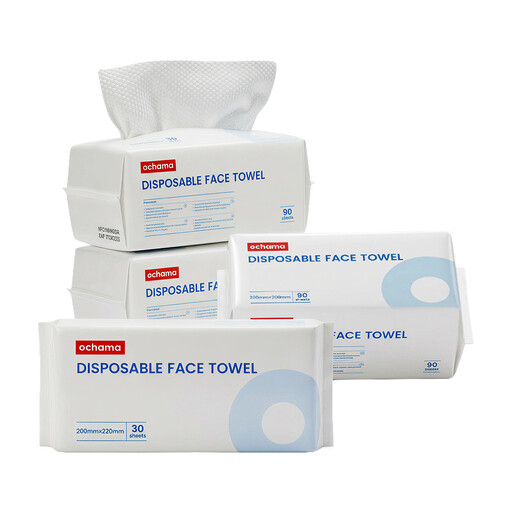
Why this fits the profile: The combination of 300 wipes, three packs of 90 and an extra pack of 30 is suitable for home use and occasional trips out.
The quantity and pack layout are clearly stated. This means you can estimate the supply and costs more accurately than with an unspecified bulk pack.
Viscose and lyocell fibres, pearl texture, size of 200 × 200 mm and suitable for dry or wet use.
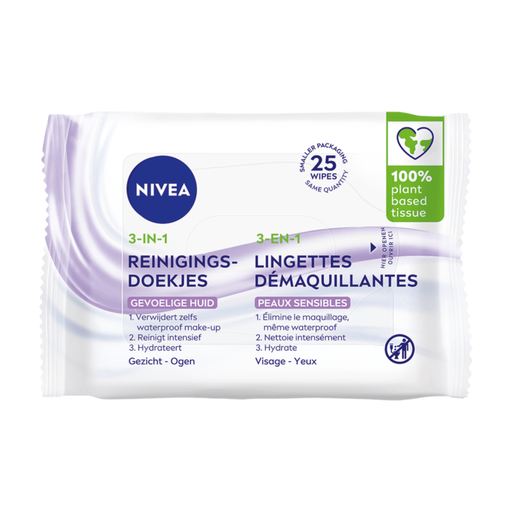
Why this fits the profile: This is a ready-to-use product for anyone who wants to remove make-up and daily impurities without adding water themselves.
The packaging states 25 wipes and the formula doesn't contain any vague "all-in-one" specification without an ingredients list. Always check the label though.
According to NIVEA, the wipes are dermatologically and ophthalmologically tested and made from 100% plant-based fibres. The product information also mentions use on sensitive skin.
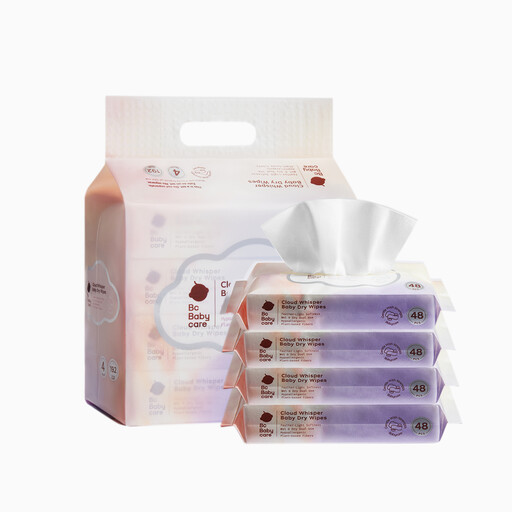
Why this fits the profile: The pack of four bundles of 48 wipes is practical for families, care settings and people who want to use soft dry or moistened wipes.
The wipes aren't pre-moistened, so you don't have to throw away a pack because it has dried out. You moisten them with clean water each time you use them.
According to the product description, the wipes are free from alcohol, parabens and perfume. The material is listed as viscose and lyocell from plant-based fibres.
We've put together a full, up-to-date list of products that fully meet these strict selection criteria and comply with current European safety regulations.
Reusable face wipes can be an alternative if you want to reduce disposable waste. However, you need to wash them after every use and let them dry completely. For travel, trips to the gym or a quick make-up touch-up, disposable face wipes are often more convenient.
That depends on the specific product and your skin's reaction. Follow the instructions for use and check the ingredients. Some wet wipes are intended for daily use, while dry wipes mainly serve as an additional tool. If irritation occurs, stop using them.
Check the expiry information on the packaging. Wet wipes can dry out after opening if the seal isn't closed properly. Dry wipes last practically indefinitely as long as they are stored clean and dry. Do not use wipes that have changed colour, smell unusual or have been affected by moisture.
You calculate the cost per use by dividing the pack price by the number of wipes. Then also compare the size and material. A cheap wipe that tears easily may work out less economical per clean than a larger or more durable wipe.
