
Vandaag of morgen in huis

Kwaliteit gegarandeerd

Welkomstaanbiedingen ontgrendelen: GRATIS bezorging | Tot 80% korting | Gratis 30 dagen JoyPlus-proefperiode
Download de app
Make-up, sun cream, sebum and fine dust are not always easy to remove with a regular facial cleanser. A facial cleansing oil can dissolve oily residue, which you can then rinse away with water. However, not every cleansing oil is suitable for every skin type or situation.
Your choice should not be based solely on attractive packaging or promises of smoother skin. Pay particular attention to the ingredients, how the oil emulsifies and the directions for use. This helps you avoid spending money on a product that stings, leaves a greasy film or strips away too much of your skin’s comfort.
An oil cleanser should loosen make-up and sebum, not involve prolonged scrubbing. Trying to remove blackheads by massaging firmly can leave your skin feeling unnecessarily sensitive. Use a small amount, massage gently and rinse thoroughly.
Claims about cleansing pores or reducing sebum are not automatically a guarantee for every skin type. According to some brands’ own research, certain formulas may show changes in sebum, but such results depend on the test set-up and how the product is used. So also check the ingredients list and the user instructions.
Damask rose, citrus and other fragrances can make cleansing more enjoyable. However, if you have sensitive skin or react quickly to fragrances, it is better to choose a fragrance-free version and carry out a patch test first. “Natural” does not automatically mean that an ingredient will be gentle for everyone.
According to their product descriptions, some oils are designed to be used as a one-step cleanser. Other products specifically recommend a second, water-based cleanser. This difference matters when carrying out a double cleanse. If you use an oil that is difficult to rinse off, you may experience a tight or greasy feeling when the second step is omitted.
A good make-up remover oil usually turns into a milky emulsion when it comes into contact with water. This helps rinse away oil, sun cream and dirt. Check whether the directions say to massage it into a dry face first and then add water.
Also consider whether it can be used with wet hands. Some formulas are suitable for this, while others work best on dry skin only. This is particularly practical if you cleanse your face in the shower.
A lightweight oil spreads quickly and feels light on the skin. A thicker texture can be useful when you want to remove waterproof make-up without applying much pressure. The amount needed varies by product; many versions recommend around two to three pumps.
Using too little oil increases friction. Too much product wastes money and can be more difficult to rinse off. Follow the instructions on the packaging rather than massaging for longer.
Korean skincare and Japanese skincare often use an oil as the first step. That does not mean every routine needs to be the same. Adjust the second cleanse and frequency according to how your skin feels.
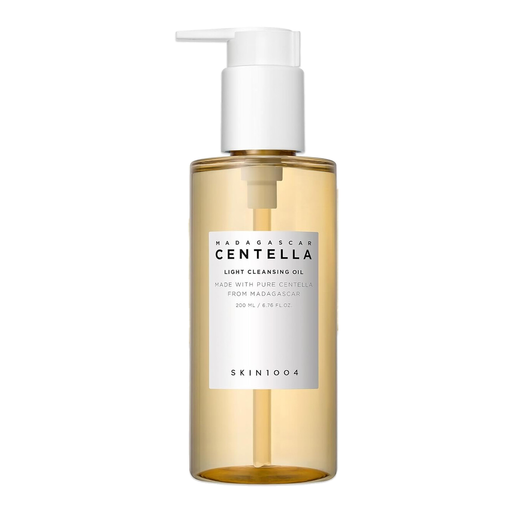
Why it suits this profile: The lightweight texture and straightforward steps make this Korean cleansing oil accessible to anyone trying a cleansing oil for the first time.
The product description mentions a lightweight formula that rinses off easily. Use the oil on a dry face, then rinse with lukewarm water.
200 ml capacity, six plant-based oils according to the product description and an explicit focus on removing daily make-up and dirt.
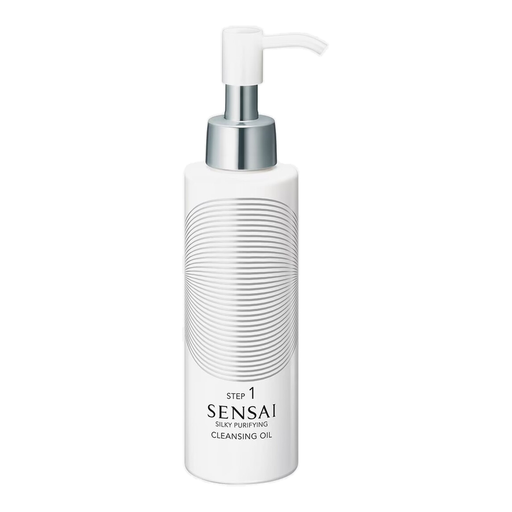
Why it suits this profile: This Japanese skincare option is designed as the first step in a structured double cleanse, making it suitable for anyone who values a consistent routine.
The oil’s role is clearly defined as step 1 for oily impurities such as make-up and sebum. The directions state that it should be applied to dry skin.
150 ml capacity, three plant-based cleansing oils according to the product information and a clear place within a double-cleansing routine.
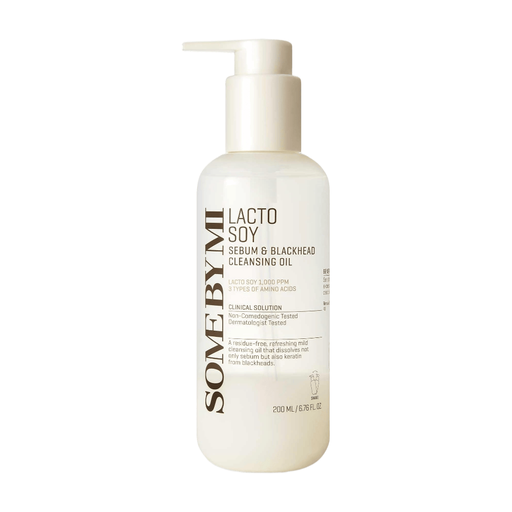
Why it suits this profile: This formula is aimed at users who mainly want to tackle sun cream, make-up, sebum and visible impurities in the evening.
This is a two-phase oil, so it must be shaken before use. The instructions also recommend a second water-based cleanser, meaning you do not have to follow an unclear one-step routine.
200 ml capacity, suitable for daily evening cleansing according to the product information and clear oil-to-milk emulsification with lukewarm water.
We have put together a complete, up-to-date list of products that fully meet these strict selection criteria and the applicable European safety regulations.
A cleansing oil is not a treatment for skin problems. Stop using it if you experience redness, a burning sensation, itching or swelling. If you have allergies, always check the ingredients, particularly if the formula contains nut, seed or essential oils.
It can be, but check the fragrance and other ingredients carefully. Choose a product with clear directions, carry out a patch test beforehand and rinse it off completely. A product label such as “hypoallergenic” or “dermatologically tested” is information provided by the manufacturer and does not constitute a personal guarantee.
No, it depends on the product. Skin Clear Cleansing Oil states that double cleansing is not necessary, while Some By Mi and Anua recommend a water-based cleanser as the second step. Follow the packaging instructions and pay attention to how clean and comfortable your skin feels.
This depends on the capacity and the number of pumps used each time. A 200 ml bottle will generally last longer with daily use than a 150 ml version, but the actual usage time varies from person to person. Close the bottle securely and store it somewhere cool and dry, away from direct sunlight. The expiry date and period-after-opening information are shown on the packaging.
