
Vandaag of morgen in huis

Kwaliteit gegarandeerd

Welkomstaanbiedingen ontgrendelen: GRATIS bezorging | Tot 80% korting | Gratis 30 dagen JoyPlus-proefperiode
Download de app
A facial cleansing oil can dissolve make-up, sunscreen, sebum and dirt without harsh scrubbing. However, not every cleansing oil suits every skin type or routine. An oil that sounds “gentle” on paper might, for example, contain fragrance, be difficult to rinse off, or leave a heavy film behind.
The main pitfalls when it comes to facial cleansing with oil are:
A good cleansing oil turns into a milky emulsion when it comes into contact with water. This process helps to wash away the oil, make-up and loosened impurities. Check the instructions to see if the product should be applied to a dry face and then emulsified with lukewarm water.
If a film remains after rinsing, a second cleanser can be a good idea. That doesn’t automatically mean the product is bad: it depends on your skin type, the amount of product you use, and your preference for double cleansing.
For a cleansing oil for dry skin, plant-based oils such as soybean oil, sunflower oil, olive oil or jojoba oil can provide a comfortable texture. This alone doesn’t mean the product hydrates the skin or improves the skin barrier; you shouldn’t take such effects as guaranteed without independent evidence.
For a cleansing oil for sensitive skin, a short ingredients list and a fragrance-free formula are often practical selection points. Also look out for warnings about eye contact and, if in doubt, carry out a patch test. Stop if you experience redness, itching, swelling or a burning sensation, and follow the instructions on the packaging.
Don’t just compare the price – compare the volume too. Many products contain 150 to 200 ml; a balm often contains less, because you use a small amount each time. A pump bottle is convenient for daily use and limits contact with the product. A pot of cleansing balm usually requires a spatula and needs to be closed properly after use.
The following products differ in texture, volume and usage scenario. The selection below is based on the stated product specifications and usage instructions.
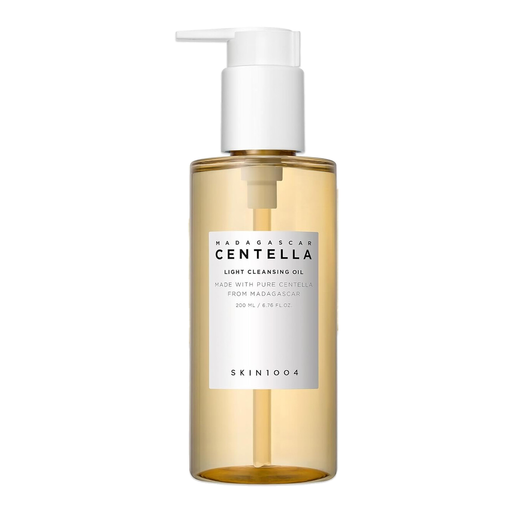
Why this suits the profile: The light texture and 200 ml volume make this an accessible option for anyone trying a cleansing oil for the first time.
According to the product description, the oil has a light structure and rinses off with water. This helps beginners avoid a product that feels too heavy or is difficult to wash off.
200 ml; six plant-based oils according to the product information; designed for make-up, sunscreen and excess sebum.
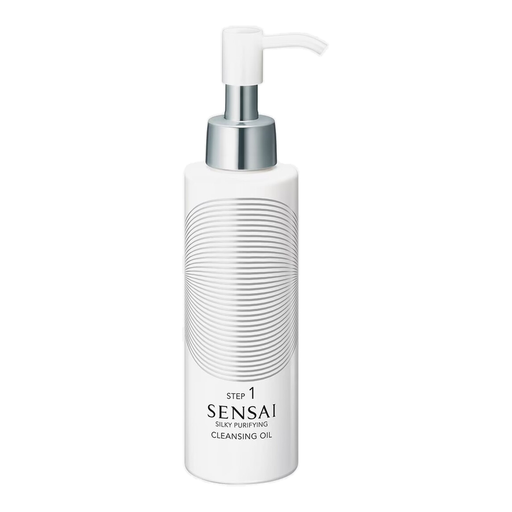
Why this suits the profile: This oil is clearly positioned as the first step in a double-cleansing routine and fits well with a thorough evening skincare regimen.
The product information describes step 1 for oily impurities, followed by a water-based cleanser for sweat and other dirt. The routine is therefore clearly defined.
150 ml; three plant-based cleansing oils according to the product description; suitable for use as the first cleansing step.
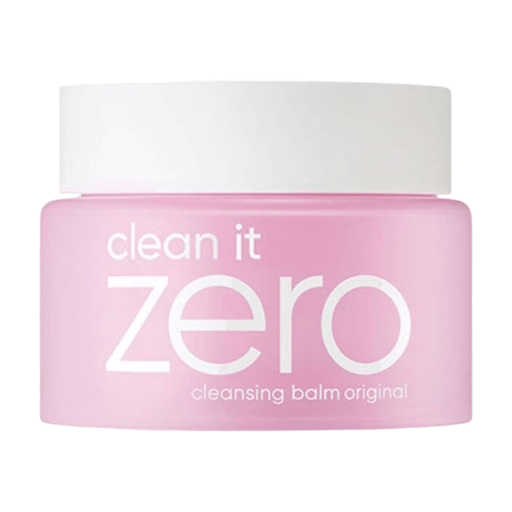
Why this suits the profile: According to the product description, the solid balm transforms into an oily texture and is designed for daily make-up, waterproof make-up and excess oil.
The balm texture prevents spills when dispensing. Do use the included spatula and close the pot properly to limit contamination and drying out.
100 ml; balm that turns into an oily emulsion on contact with water; according to the product information, dermatologically tested.
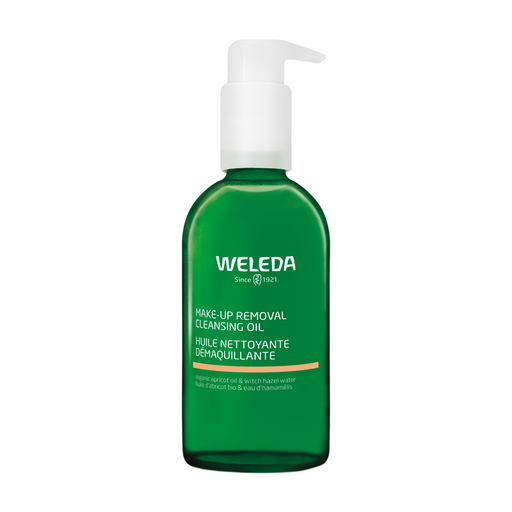
Why this suits the profile: The product description mentions a fragrance-free formula and use for waterproof eye make-up. This aligns with a simple routine with extra attention to ingredients.
The mention of “fragrance-free” allows for a relevant comparison. Check the current packaging, as formulas and labels can change.
150 ml; according to the product description, suitable for waterproof make-up; stated to be fragrance-free.
For cleaning pores, hard massaging isn’t necessary. An oil can loosen sebum and make-up, but it won’t automatically remove all blackheads. Avoid prolonged rubbing or using harsh tools.
We’ve put together a full, up-to-date list of products that fully meet these strict selection criteria and comply with current European safety regulations.
Yes, a cleansing oil can work well for oily skin too, especially when you’re removing sunscreen or make-up. Choose a formula that emulsifies well and rinse thoroughly. A second cleanser can help if you prefer a cleaner-feeling skin.
No. Double cleansing is a choice. With heavy make-up, waterproof products or sunscreen, a second water-based cleanser can be practical. Without these products, one well-rinsed cleansing oil may feel sufficient.
That depends on the volume, dosage and frequency. A 200 ml bottle used daily will generally last longer than a 100 ml product, but always check the expiry information and the open-jar symbol on the packaging. Do not use the product if you notice an unusual smell, a change in texture or any irritation.
