
Vandaag of morgen in huis

Kwaliteit gegarandeerd

Welkomstaanbiedingen ontgrendelen: GRATIS bezorging | Tot 80% korting | Gratis 30 dagen JoyPlus-proefperiode
Download de app
A facial cleansing oil can loosen make-up, sun cream and sebum without vigorous rubbing. But not every cleansing oil is suitable for every skin type or routine. A product may feel light but still contain fragrance. A large bottle may seem like good value, but it’s less practical if the pump leaks or you don’t like the texture.
Use these checks to compare cleansing oils based on product information, rather than marketing claims alone.
This description says little about what your skin can personally tolerate. A product may be described by the brand as suitable for all skin types, but still contain perfume or fragrance. This is worth bearing in mind if you’re looking for a cleansing oil for sensitive skin.
Always check:
A good make-up remover oil will usually turn into a milky emulsion when it comes into contact with water. This makes it easier to rinse off. If the oil barely emulsifies, it may leave a greasy film behind. This can feel particularly unpleasant if you don’t use a second cleanser afterwards.
The product description is more useful here than terms such as “deep cleansing”. Look for clear instructions: apply to a dry face, add water and rinse thoroughly.
A cleansing oil should loosen make-up and SPF, not be used as a scrub. Rubbing around the eyes for too long can feel uncomfortable. Let the oil work briefly first, then massage it in with gentle movements. For stubborn eye make-up, a separate eye make-up remover may be more practical.
A light texture spreads quickly and can be a good choice if you’re new to using a cleansing oil. A richer formula may appeal if you have dry skin, but check that it rinses off completely.
Look out for these details:
Plant oils such as jojoba, olive, sunflower and soybean oil appear in a range of formulas. That doesn’t automatically mean a product will suit your skin better. Check the full ingredients list, not just one standout ingredient on the front of the packaging.
If you have sensitive skin, a fragrance-free facial cleanser may be a sensible choice. Products containing fragrance aren’t necessarily unsuitable, but product information from brands including SKINFOOD and Bean notes that fragrance may cause sensitivity in some users. Stop using the product if you experience a burning sensation, itching, swelling or persistent redness, and follow the safety information on the packaging.
A 200 ml bottle is worth considering if you double cleanse every day. A 20, 25, 30 or 50 ml mini is handier for travelling or trying out a formula first. So don’t compare packaging prices alone: also consider the price per millilitre and how often you expect to use the product.
A cleansing oil is especially useful in the evening when you want to remove sun cream and make-up. On days when you haven’t worn make-up or SPF, a gentler cleanse may be enough.
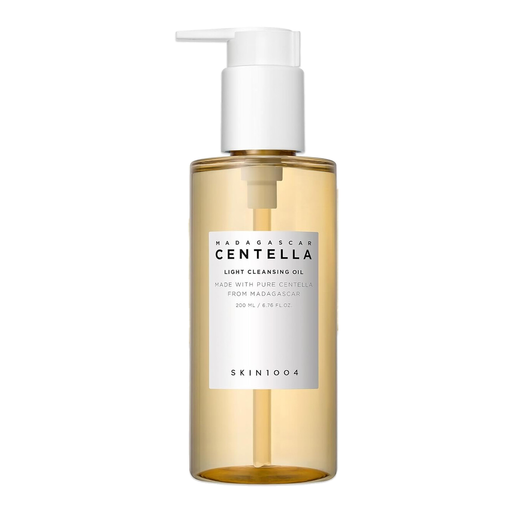
Why it suits this profile: Its light texture and 200 ml size make this Korean cleansing oil suitable for daily use and a good option if you’re trying an oil cleanser for the first time.
According to the product description, the oil spreads easily, rinses off well and is intended for use on dry skin with dry hands.
200 ml size, six plant oils and Madagascar Centella extract, according to the product information.
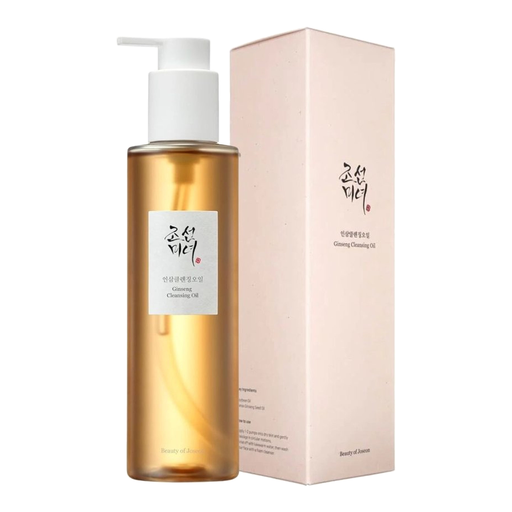
Why it suits this profile: The 210 ml pump bottle is a good fit for a regular Korean skincare routine that removes make-up, SPF and sebum every day.
The instructions say to apply to dry skin and rinse with lukewarm water. The formula includes soybean oil and ginseng seed oil, among other ingredients; check the label for fragrance and make sure the product suits your skin.
210 ml size, pump bottle and micellar technology, as stated in the product description.
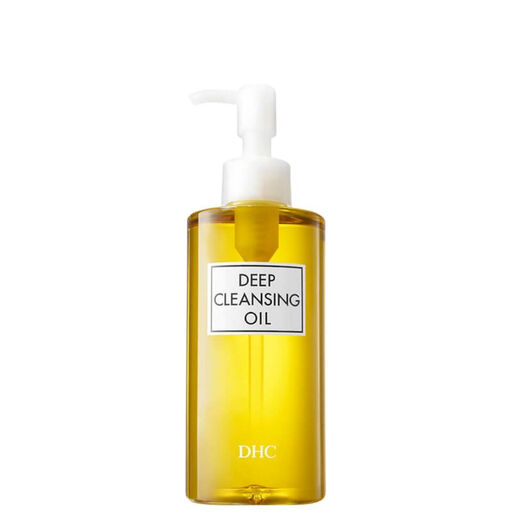
Why it suits this profile: The product description focuses on removing long-wear make-up, sun cream and everyday impurities as part of a Japanese cleansing routine.
According to the product information, the oil emulsifies with water to form a milky solution. This helps you rinse away residue without relying on vigorous rubbing.
200 ml size, with olive oil and rosemary leaf oil in the formula described.
We’ve put together a complete, up-to-date list of products that meet these strict selection criteria and current European safety requirements.
It can be, depending on the formula and how well it rinses off. Choose a light cleansing oil that emulsifies well and doesn’t feel heavy. The product information for some options says they remove excess sebum or are non-comedogenic. These are brand claims, not a guarantee for every user. If your skin is sensitive or blemish-prone, try the product cautiously first.
Not always. With double cleansing, you first use an oil cleanser to remove make-up, SPF and oil-soluble residue, then follow with a water-based facial cleanser. This can be useful if you wear a lot of make-up or sun cream. On quieter days, one gentle facial cleanser may be enough, depending on how clean and comfortable your skin feels.
Follow the expiry date and the open-jar symbol on the packaging. Store the bottle somewhere cool and dry, out of direct sunlight. Close the pump or cap after use. If the smell, colour or texture changes, stop using the product and check the manufacturer’s safety information.
