
Vandaag of morgen in huis

Kwaliteit gegarandeerd

Welkomstaanbiedingen ontgrendelen: GRATIS bezorging | Tot 80% korting | Gratis 30 dagen JoyPlus-proefperiode
Download de app
A facial cleansing oil can loosen make-up, sun cream and sebum without vigorous scrubbing. However, not every facial cleansing oil is suitable for daily use or for your skin type. An oil that feels pleasant, for example, may contain fragrance, be difficult to rinse off or not work well as part of a double cleanse.
So don’t focus only on terms such as “deep cleansing”, “natural” or “for all skin types”. Pay particular attention to the ingredients, directions for use and texture.
Words such as “hydrating”, “nourishing” and “pore-cleansing” don’t automatically guarantee a particular result. A brand’s product information may say, for example, that a formula helps loosen make-up and sebum, but your experience will also depend on your skin type, how much you use and how you use it.
When choosing a cleansing oil for sensitive skin, pay particular attention to fragrance, essential oils and certain plant extracts. Always check the full ingredients list on the packaging. A natural formula isn’t necessarily suitable for every sensitive skin type.
A good cleansing oil turns milky when you add a little water. This process is called emulsifying. If it barely emulsifies, the oil can be difficult to rinse off and may leave a heavy film on your skin. This can be inconvenient if you’re using a water-based cleanser afterwards.
A cleansing oil for blackheads can loosen sebum and dirt on the surface of your skin. That’s different from completely removing blackheads or treating a skin condition. Massaging for a long time or applying pressure can be uncomfortable. Use lukewarm water and stop if you notice redness or irritation.
A lightweight oil spreads quickly and is often an approachable choice for beginners. A balm melts with your body heat and may be handy if you prefer a richer texture. With both types, it’s important to start with dry hands and a dry face, unless the packaging says otherwise.
Look out for these practical points:
A hydrating cleansing oil with plant oils may feel comfortable on dry skin, but “hydrating” doesn’t mean it replaces a day cream. If you have oily or combination skin, a lightweight formula that rinses off easily may feel more comfortable.
Also look out for:
A cleansing balm can be an alternative for waterproof make-up. Its solid texture is often easy to dispense, but you’ll need to let the balm melt completely and then emulsify it thoroughly.
An oil-based first cleansing step is often useful for waterproof mascara or long-wear foundation. Gently massage it over your face and keep your eyes closed. Avoid direct contact with your eyes and rinse them with water straight away if this happens.
For daily sun cream or make-up, a double cleanse often works as follows:
A double cleanse isn’t always necessary. If you’re not wearing make-up or water-resistant sun cream, one gentle cleanser may be enough.
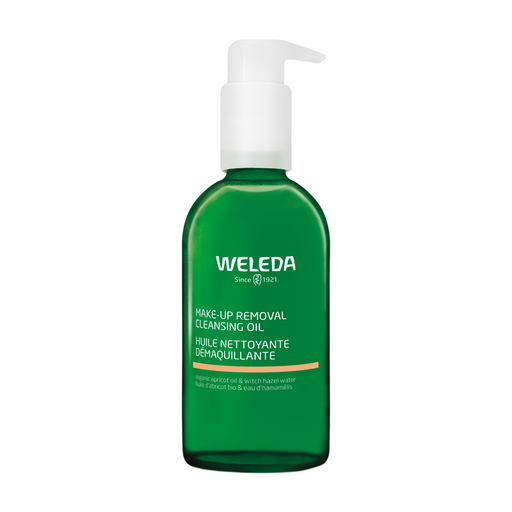
Why it suits this profile: A straightforward choice if you’re looking for a fragrance-free first cleansing step and want to remove waterproof make-up. According to the product information, the formula contains organic apricot kernel oil and witch hazel.
The product description states that the formula is fragrance-free and intended for use as a first step. Check the current packaging if you want to compare ingredients.
150 ml; designed to remove make-up, dirt and impurities; according to the product information, made with 100% natural ingredients.
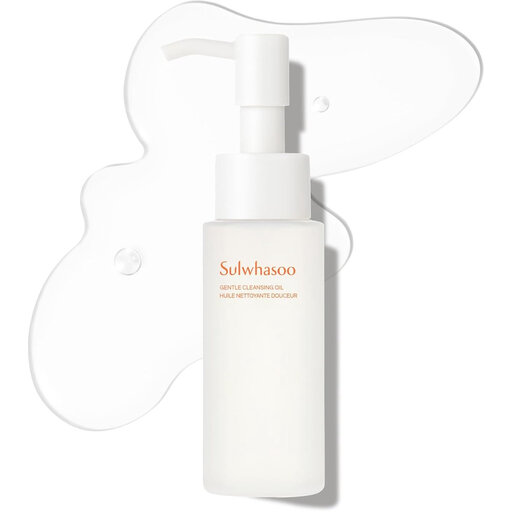
Why it suits this profile: Ideal if you’re looking for a compact size and a refined oil texture to use as part of a Korean skincare routine.
The directions say to use 2 to 3 pumps, apply to a dry face and emulsify with water. The 50 ml size makes it easy to try first.
According to the product information, contains jojoba, grapeseed and apricot kernel oils; pump bottle; stated shelf life after opening: 12 months.
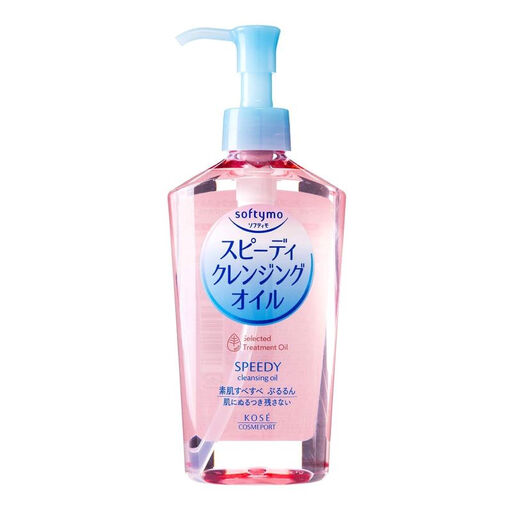
Why it suits this profile: A practical option if you remove make-up and impurities every day and want a larger size.
The safety information advises against using it on damaged, irritated or very sensitive skin. This gives you clearer guidance when choosing a product for everyday use.
240 ml; directions recommend 2 to 3 pumps; according to the product information, contains water, an oil blend, emulsifiers, antioxidants and preservatives.
We’ve put together a complete, up-to-date list of products that meet these strict selection criteria and current European safety requirements.
It can be, but it’s best to choose a lightweight formula that emulsifies and rinses off well. Don’t automatically use more product to avoid a greasy feeling. Test a new oil on a small area of skin first and follow the warnings on the packaging.
If you’re double cleansing, yes: the oil is the first step for removing make-up, sun cream and sebum, followed by a water-based cleanser. If you wear very little make-up, one product may be enough. Some brands say their formula can be used without a second cleanse; treat this as the brand’s usage advice and see how your skin responds.
Follow the expiry date and the open-jar symbol on the packaging. Close the bottle after use, store it somewhere cool and dry, and don’t let water get into the packaging. Stop using it if the smell, colour or texture changes, and don’t use it if irritation occurs.
