
Vandaag of morgen in huis

Kwaliteit gegarandeerd

Welkomstaanbiedingen ontgrendelen: GRATIS bezorging | Tot 80% korting | Gratis 30 dagen JoyPlus-proefperiode
Download de app
A facial cleansing oil can dissolve waterproof make-up, sunscreen, sebum and dirt without the need for vigorous rubbing. However, not every cleansing oil is suitable for every skin type or routine. A product that feels pleasant on dry skin might not be the best choice for someone who wants to avoid fragrance or certain oils.
The main pitfalls usually aren't in the packaging, but in the product choice and how you use it.
Terms like "deep cleansing", "glass skin" or "anti-ageing" don't tell you much about the formula itself. Instead, look for concrete information:
Claims about skin improvement or collagen aren't established facts. According to Beauty of Joseon's own information, ginseng and soybean oil may support the skin, but the practical product feature you can assess as a buyer is primarily how well it dissolves make-up, sebum and sunscreen.
Many Korean skincare and Japanese cleansing oil products contain plant-based oils, fragrances or essential oils. That doesn't automatically make them unsuitable, but users with sensitive skin would be wise to check the ingredients beforehand.
Pay attention to, for example:
A patch test on a small area of skin can help you spot a personal reaction sooner. Stop if you experience redness, itching, swelling or a burning sensation, and follow the safety information on the packaging.
An oil-based facial cleanser generally works best on a dry face with dry hands. Massage gently over the skin, then add a little lukewarm water. The oil will turn into a milky emulsion, which you then rinse off thoroughly.
Massaging for too long or too hard can actually be uncomfortable. When removing eye make-up, don't use force: let the oil loosen the product and rinse carefully afterwards.
A good make-up remover oil should mix with water. Check the product description to see if it mentions emulsification or a milky texture after contact with water. This reduces any greasy residue and makes cleansing more practical.
With some products, such as the Skin Clear Cleansing Oil Aroma Type and Kose Quick Cleansing Oil, quick emulsification and easy rinsing are described. With other oils, a second cleanser is clearly part of the usage instructions.
With double cleansing, you first use a cleansing oil and then a water-based cleanser. This can be useful when you're wearing a lot of sunscreen, foundation or waterproof make-up. The Anua Heartleaf Pore Control Cleansing Oil, Centella Cleansing Oil and Numbuzin No.1 Easy Peasy Cleansing Oil all mention a second cleanser as a follow-up step.
Other products, such as the Skin Clear Cleansing Oil Aroma Type, are used without mandatory double cleansing according to the product description. That doesn't mean every skin type will be sufficiently cleansed with it. Consider your own product usage and how your skin feels after rinsing.
For dry skin, a formula containing ingredients like soybean, jojoba or olive oil can feel comfortable. A lightweight texture, on the other hand, can be pleasant for beginners or those who don't want a heavy residue.
If you have oily or blemish-prone skin, look for the specific claim non-comedogenic. SKIN1004 describes the Madagascar Centella Light Cleansing Oil as non-comedogenic, but this is a product claim from the brand and not a guarantee for every user.
Size also matters:
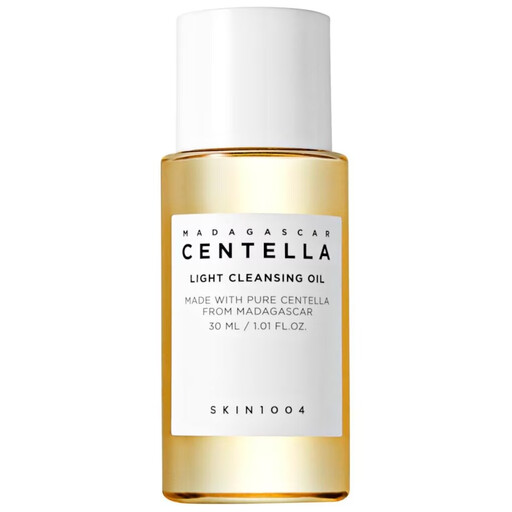
Why this fits the profile: The small size is handy for trying out a Korean cleansing oil first or taking it with you when travelling. The product description mentions a lightweight texture and six plant-based ingredients.
You don't have to buy a large bottle straight away. Do check the ingredients and usage period on the packaging before you start.
30 ml; lightweight texture; according to the product information, non-comedogenic.
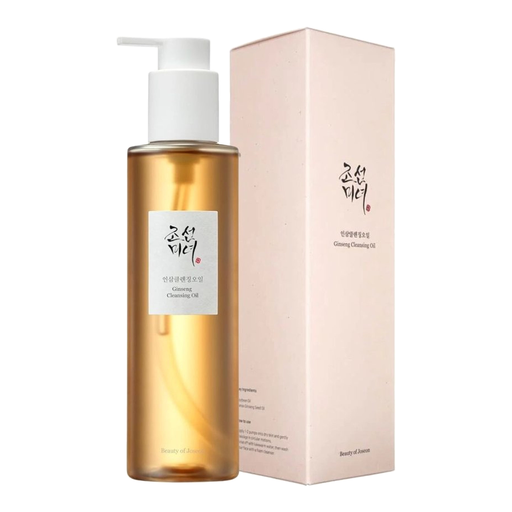
Why this fits the profile: The 210 ml pump bottle is ideal for daily use. According to the ingredients list, the formula contains soybean oil, olive oil, sunflower oil and ginseng seed oil, among others.
The packaging provides clear usage instructions: apply to a dry face, massage in and rinse off with lukewarm water.
210 ml; pump packaging; according to the product information, suitable for all skin types.
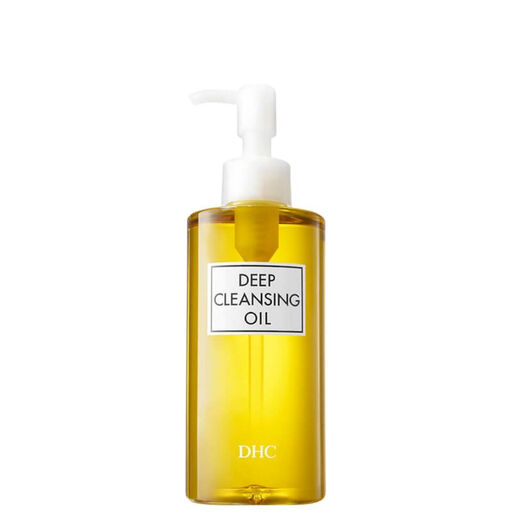
Why this fits the profile: The product description focuses on removing make-up, sunscreen and waterproof make-up. That suits an intensive evening routine.
The oil is designed to dissolve make-up first, so you need to rub less. Rinse thoroughly after emulsifying and add a water-based cleanser if desired.
200 ml; contains olive oil and rosemary leaf oil according to the product information; designed for daily make-up and sunscreen removal.
We've put together a full, up-to-date list of products that fully meet these strict selection criteria and comply with current European safety regulations.
With waterproof eye make-up, it's wise to keep your eyes closed and avoid direct contact. Always follow the instructions on the label, as not every formula is intended for use on wet skin or around the eyes.
It can be. An oil can dissolve sebum and make-up, but the experience varies depending on the formula and the individual. If possible, choose a lightweight texture, emulsify well and check whether the manufacturer states a non-comedogenic formula. Stop if you experience irritation or a persistently uncomfortable feeling.
No, that depends on the product and your routine. Some Japanese cleansing oils are offered as a one-step cleanse according to the product description. With other products, a second water-based cleanser is recommended. If you wear a lot of sunscreen or waterproof make-up, double cleansing can be practical.
Check the expiry date and the symbol for the period after opening on the packaging. Store the bottle in a cool, dry place away from direct sunlight. Close the pump or cap properly after use. How long it lasts depends on the size and how much you use per cleanse.
