
Vandaag of morgen in huis

Kwaliteit gegarandeerd

Welkomstaanbiedingen ontgrendelen: GRATIS bezorging | Tot 80% korting | Gratis 30 dagen JoyPlus-proefperiode
Download de app
Removing make-up, sunscreen, sebum and dirt without leaving your skin feeling tight – that’s what many people use a facial cleansing oil for. Yet every cleansing oil is different. The texture, emulsifiers, fragrances and usage instructions all play a part in how well the product works in practice.
Marketing terms like “deep cleansing”, “for all skin types” and “pore control” sound appealing, but they don’t always tell you enough about the formula. With this practical selection guide, you can compare a facial cleansing oil on verifiable features and avoid a bad buy.
A cleansing oil should form a milky emulsion when it comes into contact with water. If it barely does this, a greasy residue can be left behind. So check whether the packaging states that you need to add water and how to rinse off. With several Korean cleansing oils, such as iUNIK, and Anua, emulsifying is explicitly mentioned in the instructions.
A product can be described as mild, yet still contain perfume, essential oils or ingredients that your skin doesn’t react well to. Numbuzin, for example, states that the formula contains fragrance and that users with sensitive skin should be careful. If irritation occurs, you should stop using it. A patch test on a small area of skin is a sensible precaution.
A cleansing oil is primarily determined by the full ingredients list and the emulsifier system. A formula with jojoba, olive or ginseng oil isn’t automatically suitable for every skin type. Also look at the texture, presence of fragrance, size and the instructions for waterproof make-up. Claims about pores, sebum or skin comfort come from the brand’s product information and should not be taken as a guaranteed result.
Apply the oil to a dry face with dry hands. Gently massage to loosen make-up, sunscreen and sebum. Then add water little by little. The oil should become lighter or milky before you rinse it off with lukewarm water.
Good emulsification is especially important if you don’t want to use a flannel or tissue. In a double-cleansing routine, a water-based cleanser follows afterwards. This isn’t necessary for everyone, but can be practical when you’re wearing a lot of make-up, waterproof products or a heavy layer of sunscreen.
The products in this selection range from 20 ml to 240 ml. A mini is practical for travel or a first try, while 150 to 240 ml can make more sense for daily use. Also pay attention to the number of pumps per application. Kose, for example, recommends 2 to 3 pumps; other brands give a “suitable amount”.
Check the expiry information on the packaging when you buy. The use-by date or period after opening can vary per product. Store the bottle in a cool, dry place, away from direct sunlight and keep it tightly closed.
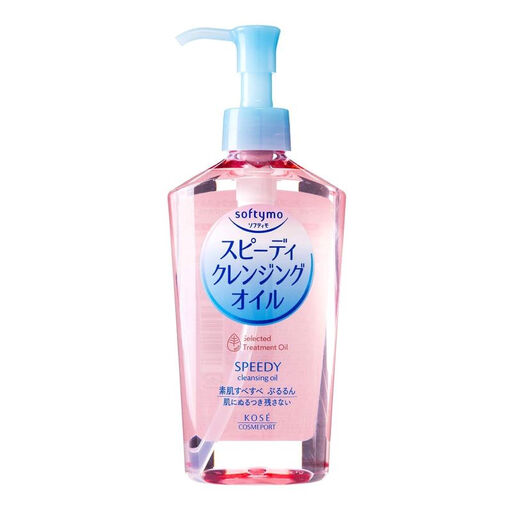
Why this fits the profile: The generous size is practical for regular use. According to the product instructions, you use 2 to 3 pumps and rinse the oil off with lukewarm water.
The instructions make the amount and rinsing step clear. Do check the warning on the packaging and avoid use on irritated or damaged skin.
240 ml content; instructions for 2 to 3 pumps; designed to remove make-up and impurities.
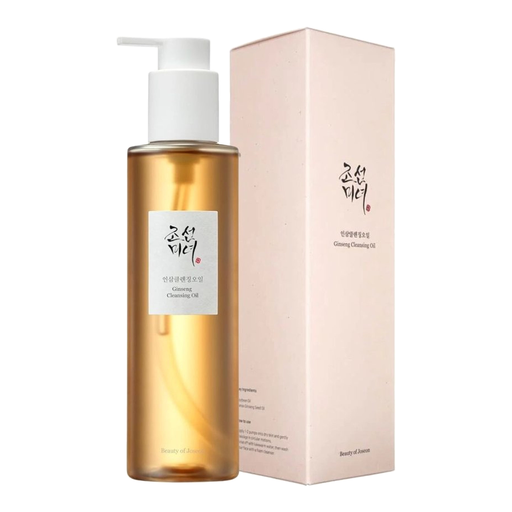
Why this fits the profile: This Korean cleansing oil combines a pump bottle with an ingredients list that includes soybean oil, olive oil, sunflower oil and ginseng seed oil.
The formula can be checked via the listed ingredients. Claims about care or skin rejuvenation come from the brand’s product description and are not a guaranteed effect.
210 ml content; pump bottle; suitable according to the product listing for all skin types, with extra focus on dry skin.
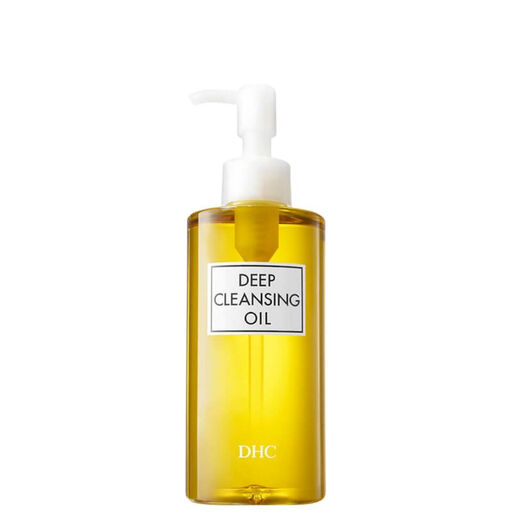
Why this fits the profile: According to the product description, this Japanese cleansing oil is designed for make-up, sunscreen and waterproof make-up. That suits an extensive evening routine.
The description mentions emulsifying on contact with water. Nevertheless, use a second cleanser if that fits your routine and avoid contact with eyes.
200 ml content; stated for waterproof make-up and sunscreen; olive oil and rosemary oil are listed in the product information.
We’ve put together a full, up-to-date list of products that fully meet these strict selection criteria and comply with current European safety regulations.
For removing waterproof make-up, you may need to massage a little longer, but rubbing hard increases the risk of irritation. Always check the specific warnings on the product for eye make-up.
It can be, but pay particular attention to the overall formula and how the oil rinses off. A light, well-emulsifying texture can be more pleasant than a heavy-feeling oil. A mention like “non-comedogenic” is a product claim and not a personal guarantee.
Many cleansing oils are designed, according to their product description, for removing sunscreen. Massage the oil evenly over your dry face and then emulsify with water. With multiple layers of sunscreen or make-up, double cleansing can be practical.
That depends on the content and the number of pumps per use. A 200 ml bottle generally lasts longer with daily use than a 20 ml mini, but the exact usage varies from person to person. Always follow the period after opening and the expiry information on the packaging.
