
Vandaag of morgen in huis

Kwaliteit gegarandeerd

Welkomstaanbiedingen ontgrendelen: GRATIS bezorging | Tot 80% korting | Gratis 30 dagen JoyPlus-proefperiode
Download de app
Make-up, sunscreen and excess sebum aren't always easy to remove with a standard facial cleanser. A facial cleansing oil can first break down these oily residues, which you then rinse away with water. That makes a cleansing oil an excellent choice for daily cleansing and for double cleansing.
However, not every facial cleansing oil is automatically right for your skin. A luxurious bottle, botanical ingredients or a promise about pores tells you little about how the product will work in your routine. Instead, focus on the formula, how to use it and the warnings on the packaging.
Words like gentle, natural and nourishing are not universal quality standards. A product can contain plant-based oils and still include fragrance or ingredients that your skin may react to. Always check the full ingredients list, especially when you're looking for a cleansing oil for sensitive skin.
A make-up remover oil is designed to break down oily products, but how well it works varies from formula to formula. Waterproof mascara or long-lasting foundation may need a longer massage. Avoid rubbing vigorously around the eyes and follow the brand's usage instructions.
Some brands describe their formula as non-comedogenic in the product description. That's useful information, but it doesn't mean every skin type will react the same way. Also check the ingredients, try a small amount and stop if you experience redness, itching or a burning sensation.
A good oil cleanser often turns into a milky emulsion when it comes into contact with water. This makes it easier to rinse the oil off. Look for terms like emulsify, water-oil micelles or "rinse-off" in the product information. If a heavy film is left behind, the formula may not suit your preference or skin type.
Apply the oil to dry hands and a dry face in most cases. Massage gently over the skin, then add lukewarm water little by little. Rinse thoroughly. Some products benefit from a second cleanser; other product descriptions state that double cleansing isn't necessary.
Bear in mind that ingredients lists can change. The information on the packaging is the most up-to-date source.
Many cleansing oils in this range contain around 150 to 240 ml. A pump bottle helps you control the amount. A mini size of, say, 20 or 30 ml is handy for trying out the texture first or taking with you when travelling.
Use a cleansing oil mainly when you want to remove make-up, sunscreen or sebum. A second water-based cleanser is an option within double cleansing, especially if you prefer a fresh, non-oily feeling on your skin afterwards. Cleansing more than once isn't automatically better: the massage and rinsing should always feel comfortable.
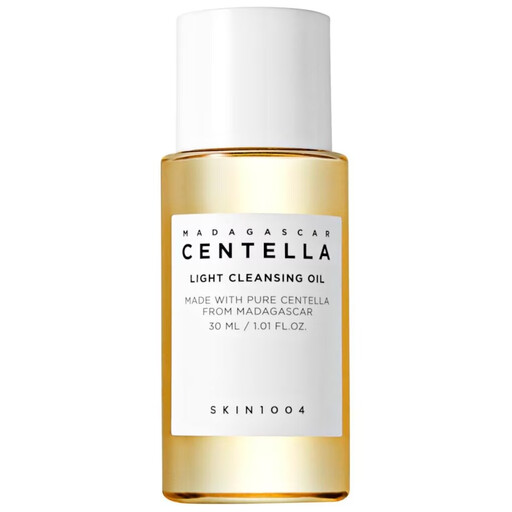
Why this fits the profile: The compact size is practical for trying out a Korean cleansing oil first or taking it away for a weekend.
You don't have to buy a large bottle straight away. The product information mentions a light texture and rinsing with lukewarm water.
30 ml content; according to the product description, formulated with six plant-based oils and Madagascar Centella extract.
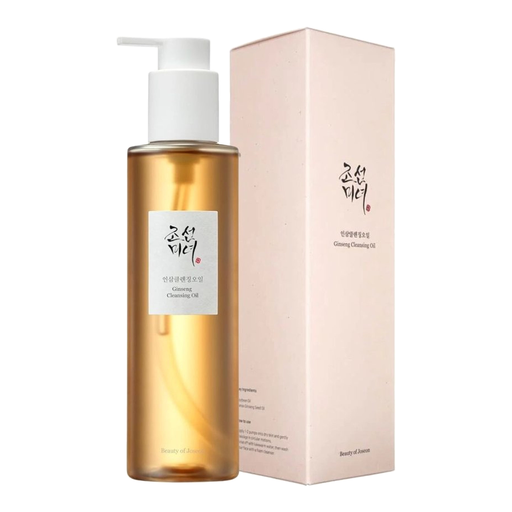
Why this fits the profile: The 210 ml pump bottle suits daily use when you want to build a consistent evening routine with a Korean oil cleanser.
The product information lists the ingredients and advises stopping if irritation occurs; check the current packaging when you buy.
210 ml content; according to the product description, with soybean oil and ginseng seed oil.
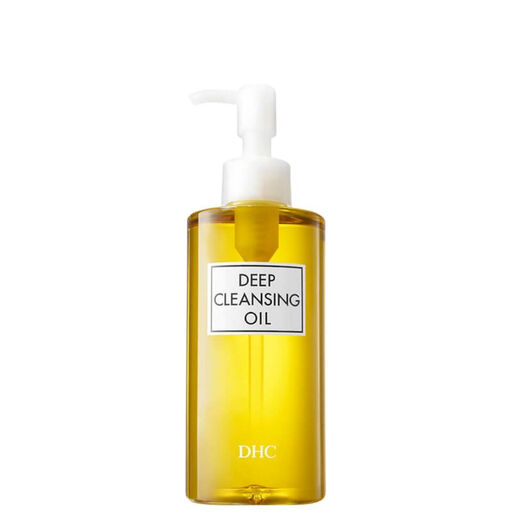
Why this fits the profile: If you often wear sunscreen, foundation or waterproof make-up, this Japanese cleansing oil can be your first step in the evening routine.
The product description mentions using it on a dry face and emulsifying with water. This lets you factor rinseability into your choice.
200 ml content; according to the product description, with olive fruit oil and rosemary leaf oil.
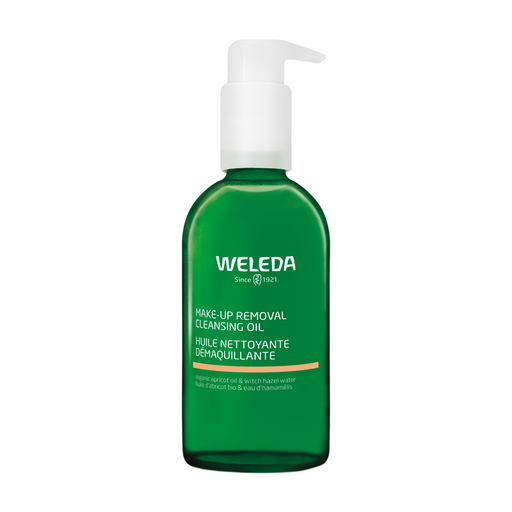
Why this fits the profile: The product description mentions a fragrance-free formula with organic apricot kernel oil and witch hazel.
The choice is based on verifiable product information, not just general terms like "natural" or "nourishing".
150 ml content; fragrance-free according to the product description; designed for make-up and waterproof eye make-up.
We've put together a full, up-to-date list of products that fully meet these strict selection criteria and current European safety regulations.
It can be, because an oil cleanser helps break down make-up, sunscreen and sebum-like residues. Choose a light formula that rinses off well and check claims such as non-comedogenic critically. Don't cleanse for longer or more vigorously than necessary.
No, that depends on the formula and your preference. With double cleansing, a water-based cleanser follows the oil. Some product descriptions, such as those for certain Japanese cleansing oils, state that a second cleanser isn't needed. Follow the instructions on the packaging.
Check the expiry date and the symbol of an open jar on the packaging. That symbol shows how many months the product is intended to be used after opening. Store the bottle closed, in a cool place and out of direct sunlight.
