
Vandaag of morgen in huis

Kwaliteit gegarandeerd

Welkomstaanbiedingen ontgrendelen: GRATIS bezorging | Tot 80% korting | Gratis 30 dagen JoyPlus-proefperiode
Download de app
A facial cleansing oil can break down waterproof make-up, sunscreen, sebum and dirt without the need for harsh scrubbing. However, not every oil cleanser is suitable for every skin type or routine. A pretty bottle, terms like “deep cleansing” and a long list of ingredients don’t tell you much about how it performs day to day.
A cleansing oil should be able to emulsify with water: the oil then turns into a milky substance that rinses away more easily. If this doesn’t happen properly, a greasy film can be left behind. So check the product information to see whether the formula is designed to emulsify and whether the instructions are for a dry or damp face.
Jojoba, sunflower, ginseng and centella oil sound appealing, but the overall formula determines how a product feels and rinses off. Fragrances can also be relevant when you’re looking for a cleansing oil for sensitive skin. Always check the full INCI list on the packaging and see if you recognise any known allergens.
Some products are described as a one-step cleanse, while other brands recommend a second cleanser. This depends on your make-up, sunscreen, how your skin feels and your personal preference. So you can’t rely on the product name alone with an oil cleanser. Look at the instructions for use and assess whether your skin feels clean without any tightness after rinsing.
For daily use, a formula that you can emulsify with lukewarm water is practical. Look out for these points:
A product that rinses off quickly often fits better into a busy morning or evening routine. With stubborn eye make-up, gentle massaging is more important than scrubbing hard. Avoid direct contact with the eyes and rinse thoroughly if any product gets in.
For oily or combination skin, a light texture can be pleasant. If you have dry skin, you’ll usually pay more attention to a comfortable skin feel after rinsing. For sensitive skin, a short ingredient list, a fragrance-free option and a patch test are sensible things to consider.
A Korean cleansing oil often contains botanical extracts or several plant-based oils. A Japanese cleansing oil typically emphasises quick rinsing and ease of use in its product description. These are product positions, not a guarantee of a particular skin result. According to the brands’ own information, ingredients such as ginseng, calendula, centella or jojoba can be a nourishing part of the formula; judge for yourself whether the composition suits your skin.
Compare the volume alongside the price. A 200 or 210 ml bottle can be more practical for daily use, while 20 or 30 ml can be suitable for trying out a formula first or for taking with you. Also check the shelf life information and the period after opening on the packaging.
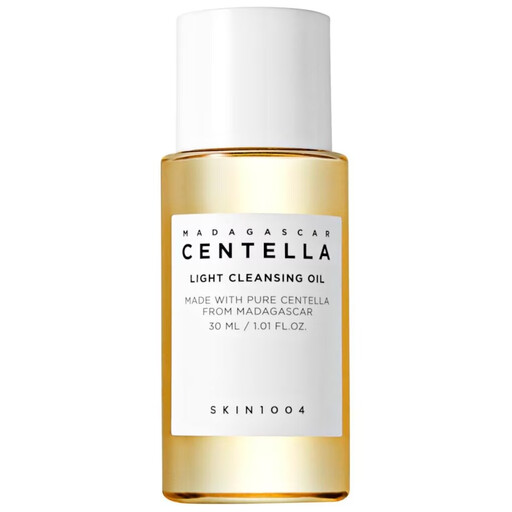
Why this fits the profile: The small size is handy for trying out a Korean cleansing oil first or for taking on trips. According to the product information, the oil has a light texture and is designed to remove make-up and excess sebum.
You don’t have to buy a large bottle straight away. The product description mentions a light formula that can be rinsed off with water.
30 ml; centella extract and six plant-based ingredients according to the product information; stated as non-comedogenic.
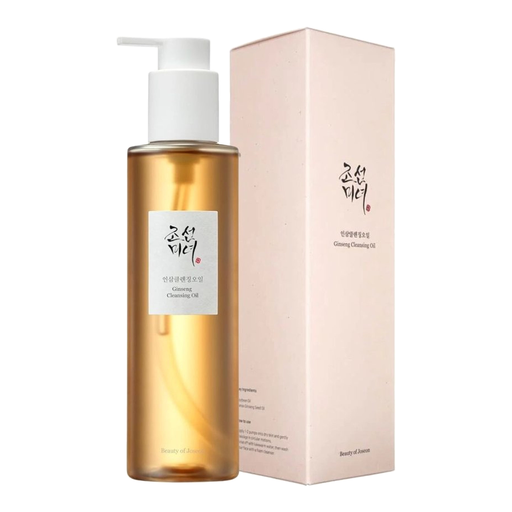
Why this fits the profile: The 210 ml size suits users who cleanse daily and prefer a larger bottle over a miniature. According to the ingredient list, the formula includes soybean oil, olive oil, sunflower oil and ginseng seed oil, among others.
The composition is clearly stated, so you don’t have to rely solely on terms like “nourishing”. The instructions describe applying to dry skin and rinsing with lukewarm water.
210 ml; pump bottle; micellar technology according to the product description; ingredient list with ginseng seed oil and vitamin E.
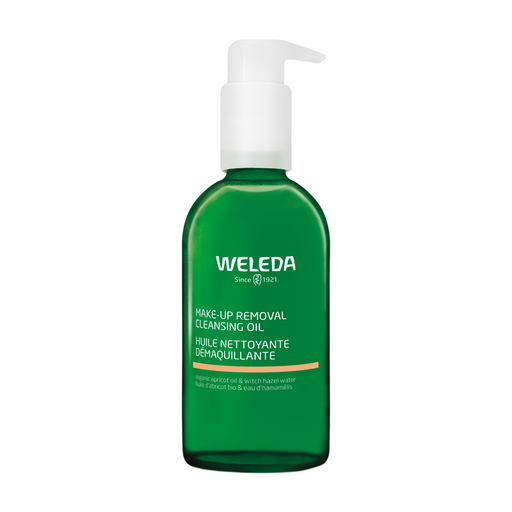
Why this fits the profile: This product is aimed at removing make-up, including waterproof eye make-up according to the product description. Its fragrance-free positioning may appeal to users who prefer to avoid fragrances.
According to the product description, the oil is fragrance-free and designed to rinse off without leaving a greasy film. Check the current packaging if ingredients are decisive for you.
150 ml; organic apricot kernel oil and hamamelis according to the product information; suitable as a first step in a cleansing routine.
We’ve put together a full, up-to-date list of products that fully meet these strict selection criteria and comply with current European safety regulations.
Stop if you experience stinging, itching, redness or swelling. A patch test is sensible with a new formula, especially if it contains fragrances or several plant-based oils.
It can be, but the formula and how well it rinses off are more important than the word “oil”. Choose a light oil cleanser that emulsifies well and rinse carefully. A second cleanser can be pleasant if you feel a film on your skin after rinsing.
According to the product description of some variants, such as the Weleda Cleansing Oil & Make-up Remover, the formula is designed for waterproof make-up. Apply the oil gently, let it break down the make-up and avoid vigorous rubbing around the eyes.
Follow the expiry date and the jar-open symbol on the packaging. Close the pump properly, store the bottle in a dry place away from direct sunlight and don’t use a product whose smell, colour or texture has clearly changed.
