
Vandaag of morgen in huis

Kwaliteit gegarandeerd

Welkomstaanbiedingen ontgrendelen: GRATIS bezorging | Tot 80% korting | Gratis 30 dagen JoyPlus-proefperiode
Download de app
Make-up, sunscreen, sebum and fine dust particles often cling to the skin with oily components. A standard gel cleanser can therefore struggle to remove everything in one step. A facial cleansing oil works differently: the oil helps dissolve oily residues, after which the formula can emulsify with water and be rinsed away.
Yet every cleansing oil is different. A high price, a botanical ingredient or the term “pore control” alone says little about how a product will suit your skin and routine. Instead, focus on the formula, how to use it, and the information on the packaging.
Plant-based oils and extracts can sound appealing, but fragrances and certain oils may cause sensitivity in some users. Always check the full ingredients list, especially when you are looking for a cleansing oil for sensitive skin.
A product with perfume is not automatically unsuitable, but for a reactive skin, an unscented formula is often a more sensible starting point. Test a new product on a small area of skin first, and stop if you experience a burning sensation, itching, redness or swelling.
A cleansing oil can remove make-up, sunscreen and excess sebum. That does not mean pores will permanently shrink or that blackheads will disappear for good. Brands may use their own research results or marketing claims for this purpose. Do not treat such statements as a guaranteed outcome for every user.
With a product that mentions a measured result, such as a change in sebum production, it is important to check whether this was established according to the brand’s own research and under what conditions. Your daily experience will also depend on your skin type, the amount of product used and how you rinse it off.
A cleansing oil should usually be applied to a dry face with dry hands. After massaging it in, add water. The oil then turns into a milky emulsion. Only then rinse thoroughly.
If you use too little water or rinse too briefly, you may feel a greasy residue. That is not always down to the formula. With some products, the brand states that use on a wet face is possible, but always check the label for this.
Do not just look at the first oil on the ingredients list. The emulsifiers present also determine how easily the oil mixes with water. A well-emulsifying formula feels less heavy after rinsing.
This is especially relevant for an oil-based facial cleanser for daily use. A rich texture can be pleasant for dry skin, while a light oil often suits those who do not want to feel a film on their skin.
For a cleansing oil for dry skin, soya oil, sunflower oil, jojoba oil or other nourishing oils may be of interest based on the product description. This does not automatically mean a product hydrates the skin or repairs the skin barrier; it comes down to the feel after cleansing and the overall composition.
For oily or blemish-prone skin, look for a light texture, good rinsability and clear usage instructions. The term “non-comedogenic” is a product claim from the brand and does not guarantee that every skin will react the same way.
Compare the volume in millilitres, not just the price of the bottle. Many cleansing oils contain around 150 to 240 ml. A pump bottle helps keep the dosage consistent and limits contact with the contents.
Check the expiry date and the period-after-opening symbol on the packaging. For the Beauty of Joseon Ginseng Cleansing Oil, the relevant information is stated on the packaging according to the product details. Do not use the product if the scent, colour or texture changes noticeably.
A typical double cleanse consists of two steps:
The second step is not necessary for everyone. A product page may indicate that a formula can be used without double cleansing, but your own skin feel remains the deciding factor. Avoid rubbing vigorously around the eyes and do not leave the oil on the skin for longer than necessary.
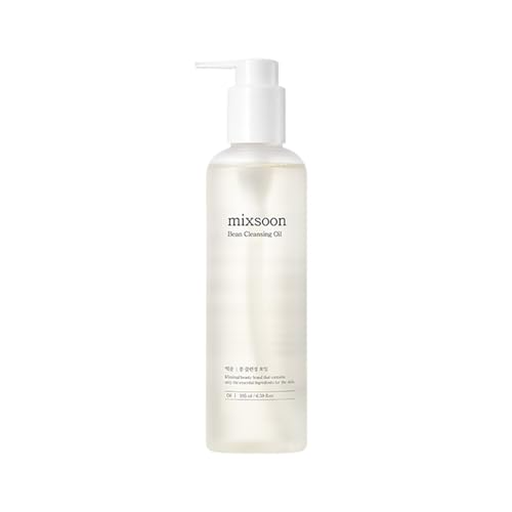
Why this fits the profile: The 195 ml volume and the instruction to use 1 to 2 pumps make this a straightforward choice for anyone trying a make-up remover oil for the first time.
The product information explicitly mentions emulsifying with water and rinsing with lukewarm water. However, the formula contains perfume, which is something to note for sensitive users.
195 ml volume; jojoba, soya and sunflower oil listed in the ingredients; suitable for use in a double-cleansing routine.
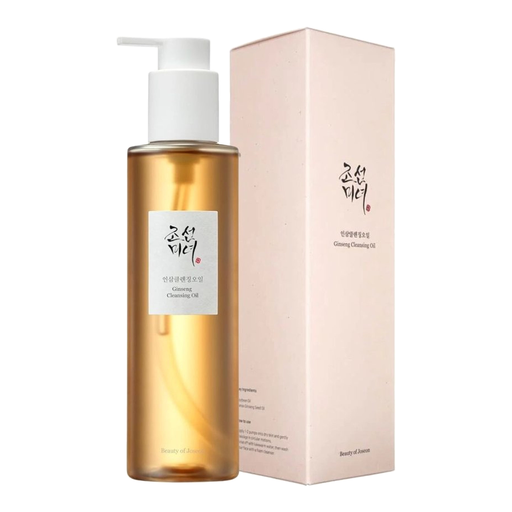
Why this fits the profile: The generous pump bottle suits daily use and fans of Korean skincare who value a formula with multiple plant-based oils and extracts.
The product details mention micellar technology and use on a dry face, followed by rinsing with lukewarm water. Check the scent experience if you prefer to avoid perfume or a herbal fragrance.
210 ml volume; soya oil and ginseng seed oil in the ingredients list; pump packaging; product details state suitability for all skin types.
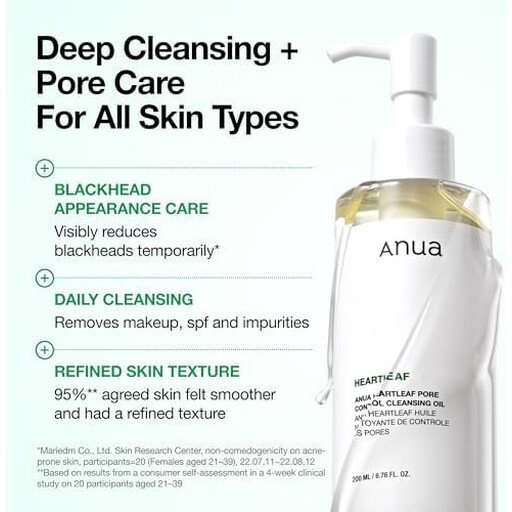
Why this fits the profile: The product description focuses on make-up, sunscreen, sebum and impurities. That aligns with an evening routine after a long day outdoors or regular use of foundation.
The instructions describe applying, emulsifying and rinsing as separate steps. The product information also mentions following up with a water-based cleanser, so residues do not remain due to rushing.
200 ml volume; use of 2 to 3 pumps; heartleaf extract listed; product page mentions a non-comedogenic formula and skin irritation tests.
We have compiled a full, up-to-date list of products that fully meet these strict selection criteria and comply with current European safety regulations.
It can be. A light, well-emulsifying formula can remove make-up, sunscreen and sebum without staying on the skin for long. Look at the ingredients, fragrance and rinsability. Oily skin does not automatically benefit from a harsh cleanser.
No. In many Korean skincare routines, a second cleanser is common, especially after make-up or multiple layers of sunscreen. Some formulas are offered as a single-step cleanser according to the product description. Try what suits your skin feel and always rinse the oil off thoroughly.
That depends on the volume and the number of pumps per use. With 2 to 3 pumps each evening, a 200 ml bottle will generally last longer than a travel size of 20 or 50 ml. Also check the open-pot symbol and the shelf-life information on the packaging.
