
Vandaag of morgen in huis

Kwaliteit gegarandeerd

Welkomstaanbiedingen ontgrendelen: GRATIS bezorging | Tot 80% korting | Gratis 30 dagen JoyPlus-proefperiode
Download de app
Removing make-up, sunscreen, sebum and pollution without leaving your skin feeling tight – that's what many people use a facial cleansing oil for. Yet not every oil cleanser is suitable for daily use. A product might be labelled as a make-up remover oil, but actually be intended for the body or as a nourishing oil to use after cleansing.
So the right choice doesn't just depend on an attractive bottle or terms like "deep cleansing". Instead, look at the formula, how the oil mixes with water, and the skin type the product is designed for.
Bio-Oil Body Skincare Oil and Nuxe Huile Prodigieuse are examples of nourishing oils for the face, body and hair. They are not the same as a facial cleansing oil that you massage onto dry skin and then rinse off. A body oil can contain fragrance, essential oils or ingredients that are primarily meant to stay on the skin.
So check whether the label clearly states cleansing oil, oil cleanser or facial cleansing. For a daily double cleanse, a rinse-off formula is usually more practical.
Words like "pore control", "deep cleansing" and "micellar technology" describe a product's positioning, not a guaranteed result for every skin type. According to the product description of SKIN1004, the formula is designed to dissolve excess sebum and make-up. That doesn't mean pores will permanently shrink or that every impurity will disappear.
Also pay attention to the difference between a brand claim and verifiable product information, such as the contents, instructions for use, ingredients and warnings.
"For all skin types" is a useful starting point, but it doesn't tell you everything. Sensitive skin, for example, may react less well to fragrance or essential oils. Dry skin might find an oil cleanser pleasant, while a very rich formula could feel heavy on combination or blemish-prone skin.
Look at the ingredients list and test a new product on a small area of skin first. Stop using it if you experience redness, itching, swelling or a stinging sensation.
A good cleansing oil for daily use often turns into a milky emulsion when it comes into contact with water. This is called emulsifying. It makes the oil easier to rinse off and usually leaves less residue behind.
A practical method:
This is the basis of double cleansing. It's not necessary for everyone, but can be useful if you wear a lot of make-up, waterproof sunscreen, or have skin that feels oily.
For a gentle cleansing oil, it's wise to look beyond just the plant oils. Emulsifiers also determine how well the product rinses off. For sensitive skin, fragrances and essential oils can be a concern.
Examples from the products on offer:
An ingredients list doesn't guarantee a product will work for you, but it does help you make a more informed choice.
Compare the volume with the instructions for use. A 200 ml or 210 ml bottle can be more economical for daily use than a mini size of 30 ml or 50 ml. A smaller bottle is handy if you want to try a Korean cleansing oil for the first time or if you travel regularly.
Also check the expiry date and the period after opening on the packaging. Use the pump according to the instructions and store the bottle away from direct sunlight. Avoid contact with the eyes and rinse with water if the product gets into your eyes.
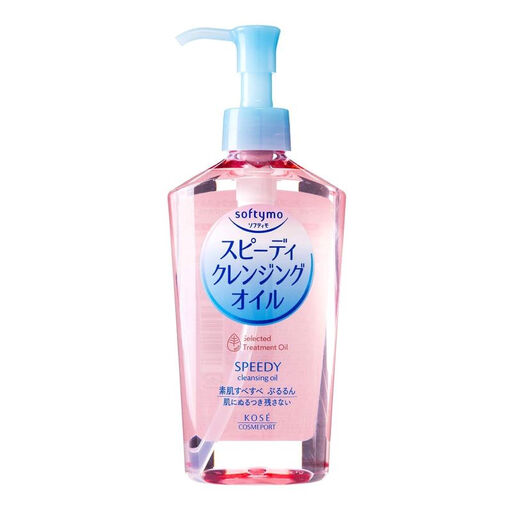
Why this fits the profile: The generous size and simple instructions make it ideal for anyone wanting to start using a cleansing oil without a complicated routine.
The product description explicitly states that make-up and impurities should be massaged and rinsed off. The warning advises against use on irritated or very sensitive skin.
240 ml volume; use 2–3 pumps with lukewarm water as per the product information.
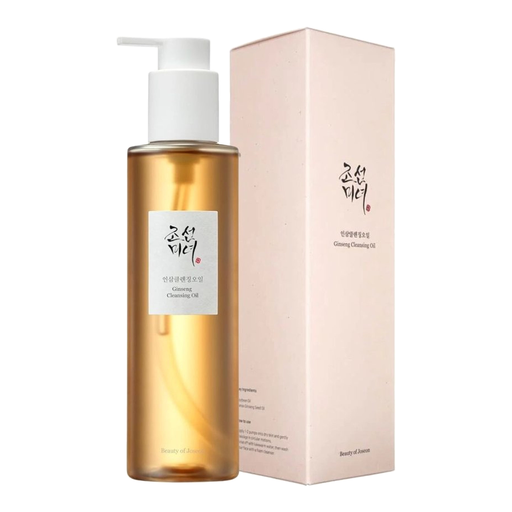
Why this fits the profile: A generous pump bottle and a formula with multiple plant oils suit fans of Korean skincare and a consistent evening routine.
The product description states its purpose as cleansing and provides clear instructions for applying to dry skin and rinsing with lukewarm water.
210 ml volume; pump packaging; soybean oil, olive oil, sunflower oil and ginseng seed oil listed in the ingredients.
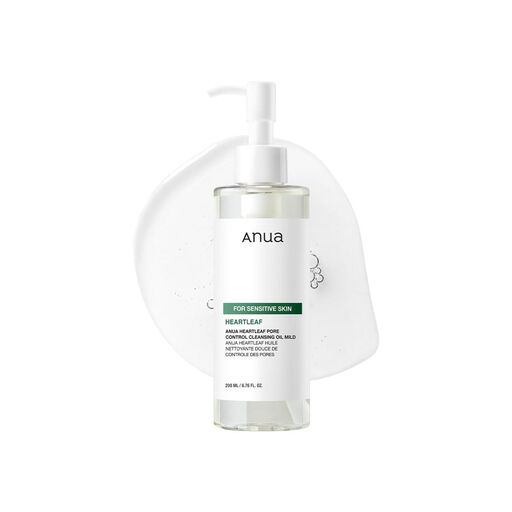
Why this fits the profile: The combination of 200 ml volume, emulsifying instructions and advice for a second cleanser suits a thorough evening routine.
The product information explains that you need to add water to emulsify the oil. The term pore control is not presented here as a guaranteed skin result.
200 ml; 2–3 pumps per use according to the description; suitable for combining with a water-based cleanser.
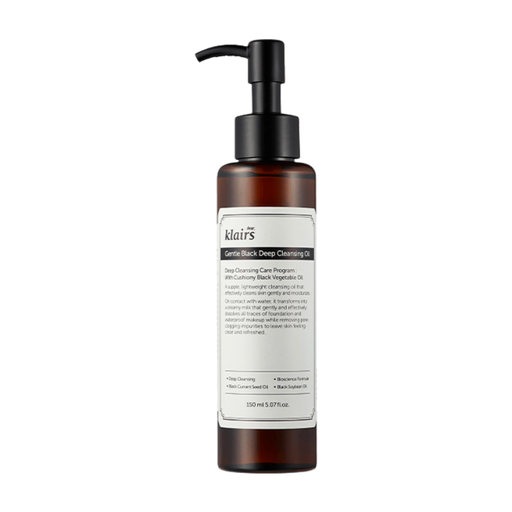
Why this fits the profile: The product description positions this oil as gentle and mentions use on dry skin with thorough rinsing.
The ingredients list can be checked in advance and also mentions fragrance. This makes a patch test important, despite the positioning for sensitive skin.
150 ml; jojoba oil and several plant oils; instruction to follow with a water-based cleanser if desired after rinsing.
We've put together a full, up-to-date list of products that fully meet these strict selection criteria and comply with current European safety regulations.
It can be, as long as the formula rinses off well and doesn't irritate your skin. An oil cleanser dissolves make-up, sunscreen and sebum, but it doesn't automatically replace a complete skincare routine. If you have blemish-prone skin, you might try double cleansing, and don't use more product than stated on the label.
Many people use a facial cleansing oil once a day, usually in the evening. If you wear little make-up or have dry skin, using it less often may be sufficient. Massage gently and avoid harsh rubbing around the eyes. Always follow the instructions for use on the specific product.
The shelf life varies by product. Check the date on the packaging and the open-jar symbol, for example 6M or 12M. Store the bottle in a cool, dry place away from direct sunlight. If the smell, colour or texture changes noticeably, stop using the product.
