
Vandaag of morgen in huis

Kwaliteit gegarandeerd

Welkomstaanbiedingen ontgrendelen: GRATIS bezorging | Tot 80% korting | Gratis 30 dagen JoyPlus-proefperiode
Download de app
A facial cleansing oil dissolves make-up, sun cream, sebum and dirt before you rinse it off with water. It sounds simple, but formulas, textures and usage instructions can vary considerably. The wrong choice may leave a greasy film, sting your eyes or make your skin feel tight.
This guide will help you choose a cleansing oil that suits you, whether you want to use it every day, as part of a double cleanse or when travelling.
Words such as “poreless”, “rejuvenating” or “glass skin” sound appealing, but they say little about how a product performs in practice. Instead, look for information you can check:
Claims about improving your skin or reducing sebum do not guarantee the same results for everyone. If a brand quotes a specific percentage reduction in sebum, for example, treat it as a brand claim. According to Anua’s product information, a change in sebum levels was measured in a test; this is not a promise of results for every user.
A cleansing oil for sensitive skin is not automatically fragrance-free. Many Korean and Japanese cleansing oils contain fragrance or botanical oils. You may enjoy these if you like fragranced products in your routine, but they may be less suitable if your skin reacts easily to fragrance.
In particular, check for:
A make-up remover oil is usually easiest to use on a dry face with dry hands, unless the packaging says otherwise. Apply it gently and avoid rubbing hard, especially around your eyes. Then add a little lukewarm water. The oil will turn milky and should rinse off more easily.
Removing stubborn mascara may require a slightly longer massage or a separate eye make-up remover. Avoid getting the oil in your eyes; if it does happen, rinse immediately with plenty of water.
A 175–240 ml bottle is suitable for everyday use at home. A travel-size cleansing oil of 20–30 ml is more convenient for a weekend away, hand luggage or trying a formula before committing to a larger bottle.
Check the pump, too:
A good emulsion turns into a milky liquid when it comes into contact with water. This makes the oil easier to rinse off. A product that barely emulsifies may leave a film behind. That does not automatically mean the formula is poor, but it may feel less comfortable if you have oily skin.
Product information for several options, including Anua Heartleaf, SKIN1004 and Kose, describes them as emulsifying quickly or lightly. Always check the instructions on the packaging.
Not every cleansing oil is intended to be used on its own. Skin Clear Cleansing Oil and Attenir Skin Clear Oil Cleanser are presented in their product descriptions as formulas that do not require a second cleanser. For Bean Cleansing Oil, Anua Heartleaf and several other Korean formulas, a double cleanse is recommended: use the oil first, followed by a gentle, water-based facial cleanser.
A double cleanse can be especially useful in the evening when you want to remove waterproof make-up, sun cream and excess sebum. If your skin feels dry or tight after two steps, use less product, massage for less time or choose a gentler second cleanser.
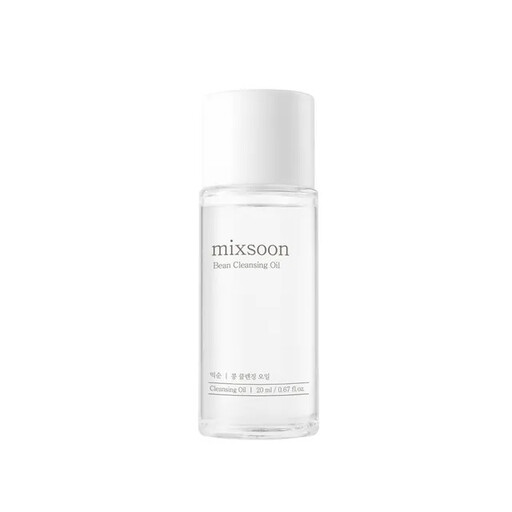
Why it suits this user: The mini size is ideal if you’re trying a cleansing oil for the first time or only travel occasionally. The product description recommends it for removing make-up, sun cream and waterproof make-up.
There’s no need to buy a large bottle straight away. The instructions recommend 2 to 3 pumps, emulsifying with water and rinsing with lukewarm water.
A 20 ml travel size, a lightweight oil texture and instructions for using it with waterproof make-up and impurities.
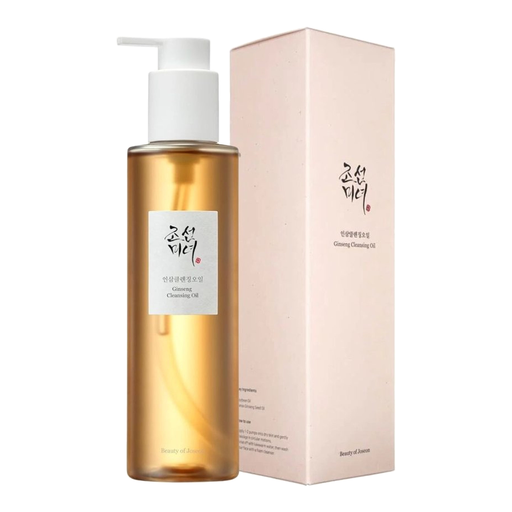
Why it suits this user: According to the product information, this Korean cleansing oil combines a 210 ml pump bottle with soybean oil, ginseng seed oil and micellar cleansing technology.
The ingredients list and bottle size are clearly stated. Check whether the fragrance and oils suit your skin and preferences.
A 210 ml bottle, a pump dispenser and a formula that, according to the product description, removes make-up, dirt and excess sebum.
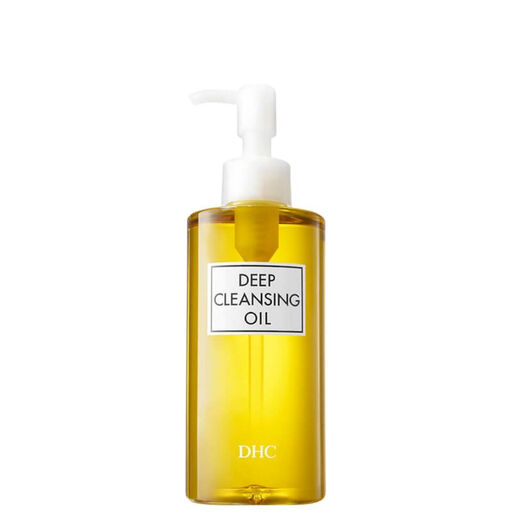
Why it suits this user: This Japanese cleansing oil is aimed at people who wear sun cream, foundation or waterproof make-up every day and want an oil for the first step of their cleansing routine.
The product description says to apply it to a dry face and emulsify it with water. You can follow with a second cleanser.
A 200 ml bottle containing olive oil and rosemary oil, intended for use on make-up, sun cream and excess sebum.
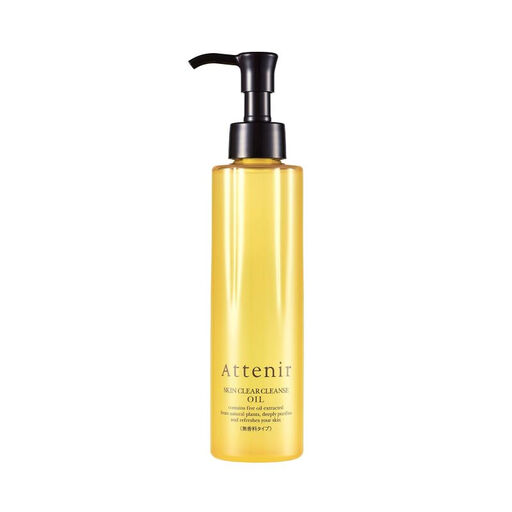
Why it suits this user: The product description lists a fragrance-free version, suitable for use on dry or damp skin and for removing make-up and impurities.
You can skip the fragranced version if fragrance doesn’t suit your routine. If you have sensitive skin, it’s still sensible to do a patch test.
A 175 ml fragrance-free version with a formula that, according to the product information, can also be used with damp hands.
We’ve put together a complete, up-to-date list of products that meet these strict selection criteria and current European safety regulations.
When trying a new product, start with a small patch test, especially if you have sensitive skin or known allergies. Stop using it if you experience redness, burning, itching or swelling, and follow the safety information on the packaging.
Yes, cleansing oil can work well for oily skin, too. It helps loosen make-up, sun cream and sebum. Choose a lightweight texture, rinse thoroughly and, if you like, follow with a water-based cleanser. Bear in mind that “non-comedogenic” is a product claim, not a guarantee for every skin type.
Often, yes, as oil helps loosen oil-based make-up. Massage gently and take the warnings on the label seriously when using it around your eyes. Some waterproof products may still need a separate eye make-up remover.
Check the expiry date and the period-after-opening symbol on the packaging. Keep the bottle closed in a cool place, away from direct sunlight. A travel-size bottle is handy if you’re unlikely to use up the product within its recommended period after opening.
