
Vandaag of morgen in huis

Kwaliteit gegarandeerd

Welkomstaanbiedingen ontgrendelen: GRATIS bezorging | Tot 80% korting | Gratis 30 dagen JoyPlus-proefperiode
Download de app
Make-up, sunscreen, sebum and fine particles don’t always dissolve properly with just a foaming facial cleanser. A facial cleansing oil can first loosen these oily residues, which you then rinse off with water. Yet every cleansing oil is different. A lightweight formula can be pleasant for daily use, while a fragranced oil may be less suitable for sensitive skin.
The following pitfalls often mean a product disappoints in practice.
Plant-based oils and Korean or Japanese ingredients sound appealing, but on their own they say little about how a product will feel on your skin. Pay particular attention to the full INCI ingredient list. Fragrances can be a concern for some users. If you’ve reacted to nut oils, perfume or essential oils before, it’s wise to check the packaging beforehand.
Product information such as “suitable for all skin types” is a marketing or product claim from the brand. Don’t see this as a guarantee for your skin. According to the product description, Beauty of Joseon Ginseng Cleansing Oil can be used for all skin types, with particular attention to dry skin. Actual suitability can vary from person to person.
A cleansing oil can loosen sebum, sunscreen and make-up. That doesn’t automatically mean blackheads will disappear or pores will become permanently smaller. Claims about blackheads or sebum reduction should therefore be viewed critically.
With Anua Heartleaf Pore Control Cleansing Oil, the product information mentions clinical test results about a change in the amount of sebum. This is information from the brand or supplier and not a guarantee of the same result for every user. Use an oil cleanser gently and avoid harsh rubbing or squeezing blackheads.
Some formulas are designed to be rinsed off directly after emulsifying. Other products are used as the first step of a double cleansing routine. So look at your evening routine and the type of product you’re using. With waterproof make-up, lots of sunscreen or oilier skin, a second cleanser can be beneficial. With dry skin, cleansing too often or too vigorously can actually cause tightness.
A good practical measure is how the oil reacts with water. Apply the oil to a dry face, massage briefly, then add water little by little. The formula should form a milky emulsion. This makes the oil easier to rinse away.
Check the instructions for use: some variants also work with wet hands, while others must be applied specifically to a dry face. The Skin Clear Cleansing Oil Aroma Type mentions use with wet hands and in the shower. The product description also notes fast emulsification. These are verifiable usage characteristics, but the experience can vary by skin type.
A thick oil can feel comfortable, but some people find a lightweight texture easier to rinse off. A fragranced make-up remover oil can make cleansing more pleasant, but perfume isn’t desirable for everyone.
Also check ingredients you may be allergic to. The Skin Clear Cleansing Oil Aroma Type contains, according to the product information, kukui, jojoba, argan, meadowfoam and inca omega oils, among others. If you have a known allergy to nuts or other components, it’s better to skip it. Stop if you experience redness, itching, a burning sensation or swelling, and follow the safety information on the packaging.
A pump bottle of 150 to 210 ml is practical for daily use at home. A mini or sample size is more convenient for travel or to try out a formula first. Also pay attention to the recommended amount. Products in this selection usually recommend about two to three pumps; using too much will empty the bottle faster without necessarily improving the cleansing.
For a fair comparison, look at the price per 100 ml, not just the price of the bottle. Also check the expiry date and PAO (Period After Opening) information on the packaging.
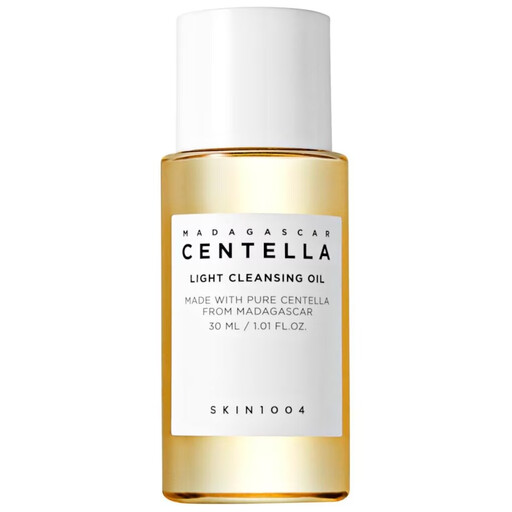
Why this fits the profile: The compact size is suitable as an introduction to a Korean cleansing oil or for use on the go. The product description mentions a lightweight texture and use with different skin types.
A small size reduces the risk of buying a large bottle without knowing the texture first. Check the ingredients before use.
30 ml; lightweight oil; according to the product description with centella extract and six plant-based ingredients.
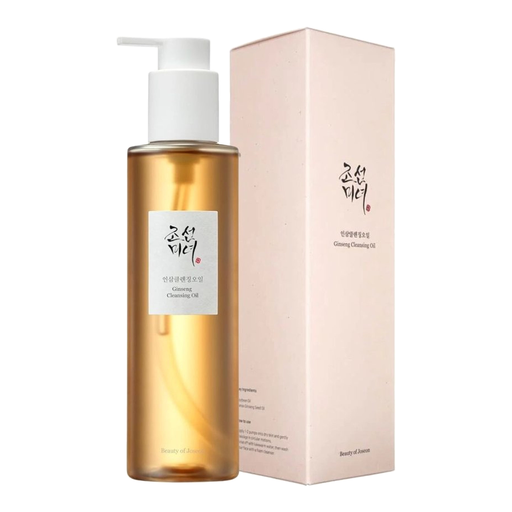
Why this fits the profile: The formula combines a size for regular use with soybean oil, ginseng seed oil and micellar technology according to the product description.
The product information clearly names the oils used and their application. Judge for yourself whether the stated scent and texture suit your routine.
210 ml; pump bottle; according to the product page, vegan and paraben-free.
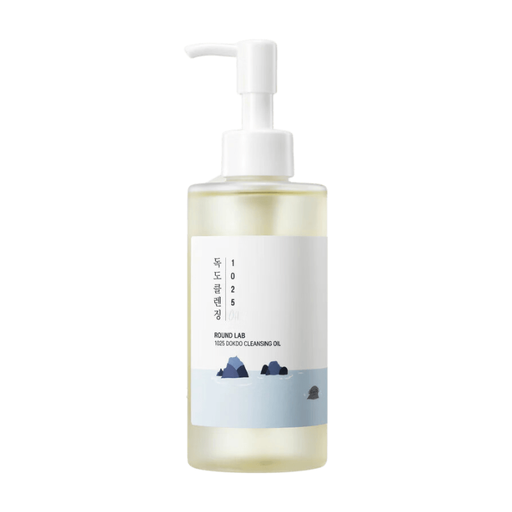
Why this fits the profile: The instructions include a separate application for areas with blackheads, in addition to removing make-up and impurities.
The instructions describe gentle massaging and emulsifying rather than harsh scrubbing. A second cleanser remains optional depending on your routine.
200 ml; turns into a milky emulsion with water; instructions for targeted pore cleansing.
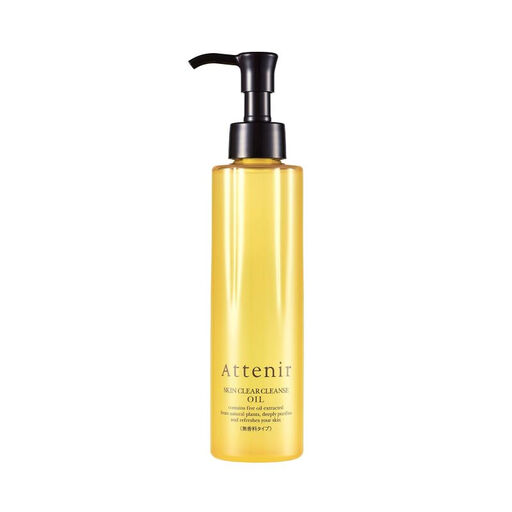
Why this fits the profile: The fragrance-free variant is a logical choice for those who prefer to avoid perfume in a daily cleanser. According to the product information, use on dry or damp skin is possible.
The product variant is explicitly fragrance-free. Still, always check the current ingredient list and perform a patch test if in doubt.
175 ml; fragrance-free variant; according to the product information, suitable for use with eyelash extensions.
We’ve put together a full, up-to-date list of products that fully meet these strict selection criteria and comply with current European safety regulations.
Avoid the eye area if the packaging advises this. If irritation occurs, stop using the product immediately. A cleansing oil is intended for external use only and does not replace treatment for skin conditions.
It can be, because oil can dissolve make-up, sunscreen and sebum. Choose a formula that emulsifies and rinses off easily. Oily skin doesn’t automatically need an aggressive cleanser. First test a small amount and don’t use harsh massage to remove blackheads.
No, that depends on the formula and your skin routine. Some products state that a second cleanser isn’t necessary. Other variants, such as certain Korean cleansing oils, are intended as the first step of double cleansing. Follow the packaging and pay attention to how clean or tight your skin feels.
Check the expiry date and the jar-open symbol on the packaging. Store the bottle in a cool, dry place away from direct sunlight. Close the pump or cap after use. The usage period depends on the size, the number of pumps per use and how often you use the oil.
