
Vandaag of morgen in huis

Kwaliteit gegarandeerd

Welkomstaanbiedingen ontgrendelen: GRATIS bezorging | Tot 80% korting | Gratis 30 dagen JoyPlus-proefperiode
Download de app
Removing make-up, sunscreen, sebum and dirt without leaving your skin feeling tight sounds simple. Yet a facial cleansing oil, cleansing oil, micellar water and cleansing balm differ greatly in how they are used and what they contain. A product that says “gentle” or “deep cleansing” on the packaging doesn’t automatically suit your skin or daily routine.
Pay particular attention to three common pitfalls:
A good oil cleanser is applied to dry skin with dry hands. After a short massage, you add water. The oil should then turn into a milky emulsion that you can rinse off with lukewarm water.
This is important when removing waterproof make-up and sunscreen. Check the product description to see if the manufacturer explains emulsifying and rinsing. A product described only as a “facial make-up remover” isn’t always intended as a complete daily facial cleanser.
Look at the ingredients list rather than just the front of the packaging. Pay attention to:
For dry skin, an oily texture can feel comfortable. Combination or blemish-prone skin may prefer a light formula that leaves little residue. With a cleansing oil for sensitive skin, it’s wise to check the ingredients and warnings first, and try it on a small area of skin.
Compare the number of millilitres with how often you use the product. A 200 ml or 210 ml bottle is practical if you do double cleansing daily. A 30 ml pack can be handy for trying out a formula first or for travel.
A pump bottle helps you measure the amount more easily. Generally use the amount stated on the label and avoid contact with the eyes if the packaging warns against it. Stop using it if irritation occurs and always follow the safety information on the product.
With double cleansing, you first use an oil cleanser or cleansing balm to remove oil-soluble residues such as make-up, SPF and sebum. Then you follow with a water-based facial cleanser to wash away any remaining dirt and product residue.
This routine is especially practical in the evening, after a long day wearing sunscreen or make-up. You don’t automatically need to cleanse twice if you haven’t worn make-up or water-resistant SPF. Cleansing too often or too vigorously can feel uncomfortable.
Micellar water works differently. The micelles trap dirt and make-up on a cotton pad. Some formulas are described as suitable for use without rinsing, while other users prefer to rinse afterwards. If you want to compare different formulas, you can also browse the range of micellar cleansing oil.
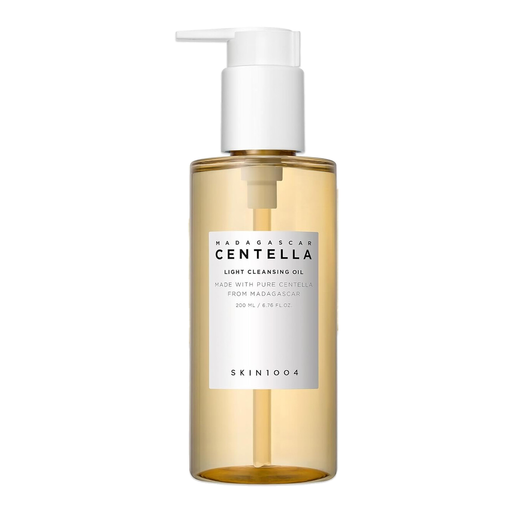
Why this fits the profile: The light texture and 200 ml volume make this Korean cleansing oil suitable for anyone trying an oil cleanser for the first time and regularly using double cleansing.
According to the product description, the formula is light, easy to rinse off and designed to remove excess sebum and make-up. The product information also mentions a non-comedogenic formula.
Six plant-based oils, Madagascar Centella extract and a light texture according to the product description; suitable for use on dry skin with dry hands.
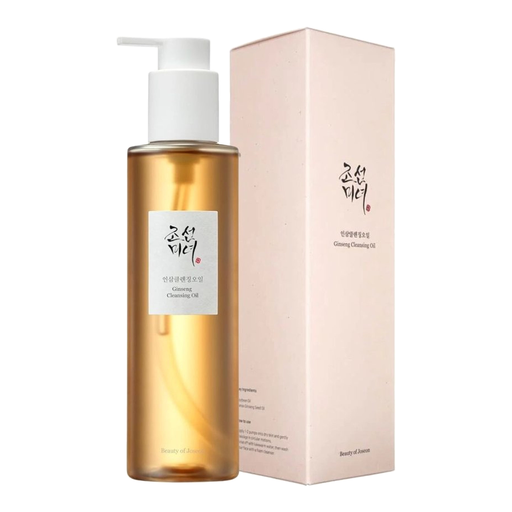
Why this fits the profile: This Korean cleansing oil has a 210 ml volume and contains soybean oil and ginseng seed oil, among others. That suits users looking for a slightly richer routine and a larger bottle.
The product description mentions micellar technology and instructions for emulsifying with lukewarm water. Do check the full ingredients list if you are sensitive to fragrance or specific oils.
210 ml, pump bottle and a formula with soybean oil, olive oil, sunflower oil and ginseng extract according to the product information.
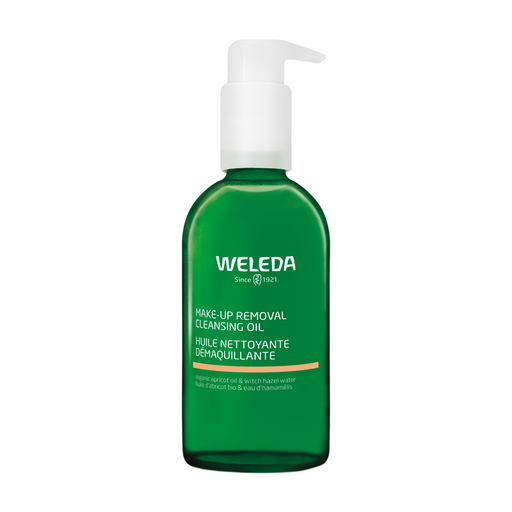
Why this fits the profile: If you often wear waterproof eye make-up and are looking for a fragrance-free option, this formula is worth considering. The product description mentions apricot kernel oil, witch hazel and a 150 ml volume.
According to the product description, this cleansing oil is fragrance-free and designed for waterproof make-up, dirt and impurities. Always check the warnings on the packaging when using around the eyes.
Fragrance-free product description, plant-based ingredients and use as the first step of a cleansing routine.
We’ve put together a full, up-to-date list of products that fully meet these strict selection criteria and comply with current European safety regulations.
That depends on the ingredients and your personal reaction. Look at perfume, essential oils and the usage warnings. A product description may describe a formula as gentle, but that’s no guarantee for every user. If in doubt, first test a small amount on a limited area of skin and stop if irritation occurs.
Many cleansing oils are specifically designed to break down oil-soluble make-up and sunscreen. Massage gently onto dry skin and then add water to emulsify. Don’t rub hard, especially around the eyes. Follow the specific instructions on the label.
With double cleansing, the answer is usually yes: after the oil cleanser, follow with a water-based facial cleanser. This is especially practical after make-up, waterproof SPF or a long day outdoors. For a light cleanse without many product layers, one suitable facial cleanser may be enough. Pay attention to how your skin feels and avoid unnecessarily long or vigorous washing.
