
Vandaag of morgen in huis

Kwaliteit gegarandeerd

Welkomstaanbiedingen ontgrendelen: GRATIS bezorging | Tot 80% korting | Gratis 30 dagen JoyPlus-proefperiode
Download de app
A facial cleansing lotion sounds simple: apply some lotion to a cotton pad and you’re done. Yet many people buy a product that does not suit their skin type or daily routine. A toner is also not always the same as a facial cleansing lotion. One product removes make-up, while the other mainly works as a follow-up treatment after cleansing.
So pay attention to the formula, intended use and ingredients. This will help you avoid paying too much for attractive packaging or a promise that does not suit your skin.
A facial toner can remove remaining dirt and traces of make-up, but it is not automatically suitable as the only cleansing step. For waterproof make-up or sun cream, a separate make-up remover may be more practical. Cleansing milk or micellar products are usually applied directly to the face and then removed according to the instructions on the packaging.
An exfoliating lotion containing ingredients such as salicylic acid or alcohol can feel different from a hydrating facial cleanser with glycerine or hyaluronic acid. An overly intensive formula may feel uncomfortable on dry or sensitive skin. Always check what the product description says the product is intended for.
“Fragrance-free” says nothing about all the other properties of a product. Conversely, a product with natural ingredients may still contain fragrances. Check the full ingredients list and make sure it matches the information in the product description. According to information provided by the brands themselves, some formulas may have been dermatologically or allergologically tested; this does not guarantee that every skin type will react in the same way.
Decide which step you are looking for:
A facial lotion can therefore combine several functions, but always check the instructions for use. An eye make-up remover, for example, is not the same as a toner for the whole face.
For a toner for dry skin, ingredients such as glycerine, trehalose or sodium hyaluronate are useful points to check. These ingredients appear in several products in the range, but their presence alone does not determine how your skin will react.
With a toner for sensitive skin, you can look for a fragrance-free formula and check for the presence of alcohol, acids and fragrances. Clinique Clarifying Lotion 1.0 is described in the product information as alcohol-free and intended for sensitive skin. However, check the current label before buying, as ingredients and packaging may change.
A toner for oily skin may, according to the product description, be designed to target excess sebum. Clinique Clarifying Lotion 4 is indicated for oily skin and contains salicylic acid, among other ingredients. This makes it important to follow the instructions and avoid contact with the eyes and lips.
A 400 ml bottle may seem like good value, but only if you use the product regularly and the formula suits you. Also consider:
If in doubt, test a new product on a small area of skin first. Stop using it if irritation occurs and follow the safety information on the packaging.
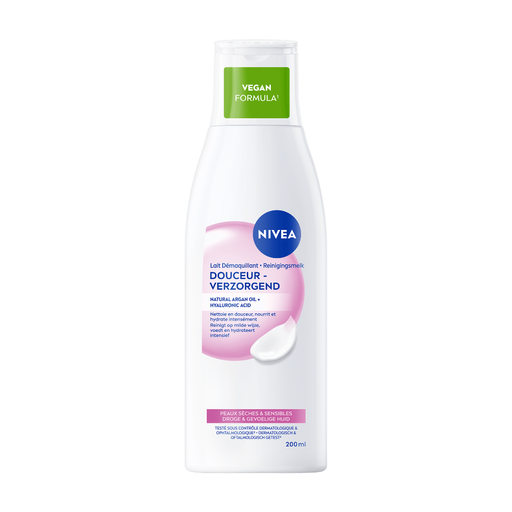
Why it suits this profile: According to the product information, the milky formula is intended for dry and sensitive skin and can be used on the face and for removing make-up.
The product information states that it provides gentle cleansing and has a non-foaming formula. This makes its intended use clearer than that of a general toner.
200 ml, intended for dry and sensitive skin, with argan oil and sodium hyaluronate according to the ingredients information.
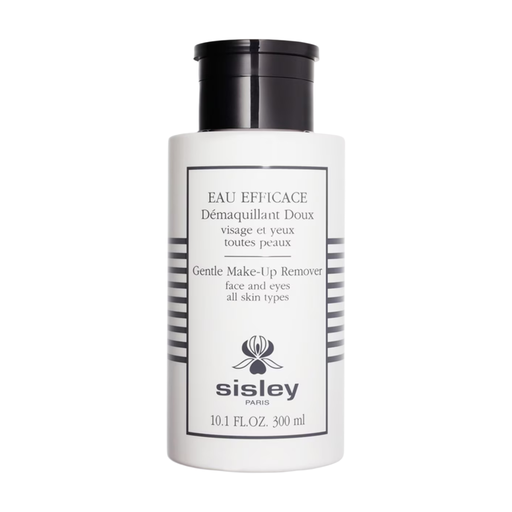
Why it suits this profile: According to the product description, this 3-in-1 micellar lotion is designed for the face, eyes and toning, with no rinsing required.
The application is clearly explained: first remove eye make-up, then cleanse the face and repeat if necessary.
300 ml, pump bottle and suitable for the face and eyes according to the product specifications.
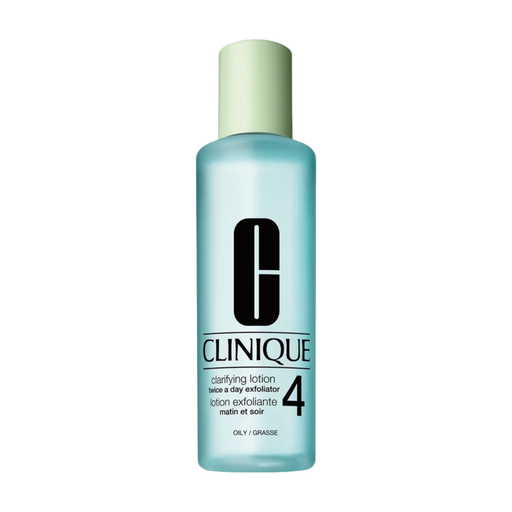
Why it suits this profile: According to the product information, this variant is intended for oily skin and for use in the morning and evening.
The target audience and intended use are clearly stated. This means you are less likely to confuse an exfoliating lotion for oily skin with a hydrating cleanser.
400 ml, fragrance-free and oil-free according to the product specifications; the ingredients list includes salicylic acid, among other ingredients.
We have compiled a complete, up-to-date list of products that fully meet these strict selection criteria and the applicable European safety regulations.
Not always. A toner is usually used after the initial cleanse to remove remaining impurities or prepare the skin for the next stage of your skincare routine. A cleansing lotion or cleansing milk may be intended as the main product for removing dirt and make-up. Check the product name, instructions for use and area of application.
That depends on the formula. According to the manufacturer, some products are used twice a day, while an exfoliating lotion may be less suitable if your skin reacts easily. If in doubt, start by using it once a day or every other day and follow the instructions on the label. Avoid the eyes and lips if stated on the packaging.
Check the use-by date and the period after opening stated on the packaging. Keep the bottle tightly closed in a dry place away from direct sunlight. A change in smell, colour or texture may be a reason to stop using the product. The information on the packaging takes precedence, as shelf life varies from one formula to another.
Look for a fragrance-free facial cleanser and check whether alcohol, acids or fragrances appear in the ingredients list. Products described as suitable for sensitive skin, such as Clinique Clarifying Lotion 1.0 or NIVEA Eye Make-up Cleansing Lotion, can still cause individual reactions. A small patch test and careful use are therefore advisable.
