
Vandaag of morgen in huis

Kwaliteit gegarandeerd

Welkomstaanbiedingen ontgrendelen: GRATIS bezorging | Tot 80% korting | Gratis 30 dagen JoyPlus-proefperiode
Download de app
A facial cleansing gel sounds simple: apply, rinse and you’re done. However, formulas vary considerably. Some products are designed for the face, while other gels are intended for the body, hair, intimate areas or even dentures. An appealing package or promise of “deep cleansing” therefore does not tell you enough.
If you’re looking for a gel cleanser for the face in the UK, you’ll mainly want to consider skin comfort, ingredients, pH level and intended use. This helps you avoid a purchase that leaves your skin feeling tight, red or coated with an unpleasant film after just a few washes.
A shower gel may be suitable for the body, but that does not automatically mean it is suitable for your facial skin. Products such as shower gel or 3-in-1 wash gel may contain perfume, menthol or cleansing agents that some users find too harsh.
Always check the intended area of use. Does it explicitly say “face”, “facial cleanser” or “application area: face”? If so, it is easier to make an informed choice. A facial wash gel for everyday use is generally formulated more specifically than a general body cleanser.
The term pore cleanser sounds convincing, but pores do not become permanently smaller or completely “empty” after one wash. A cleanser can remove dirt, make-up and excess sebum from the skin’s surface. A brand’s own research or claims may mention additional effects, but these should not be treated as guaranteed results for every user.
Instead, look for verifiable information: the cleansing ingredients, the skin type the product is intended for and the instructions for use.
A hydrating facial cleanser is rinsed off. Ingredients such as glycerine, panthenol or hyaluronic acid may, according to the product description, help your skin feel comfortable, but a cleanser is not a substitute for a moisturiser. You should also check for perfume and essential oils if your skin reacts easily.
A low pH cleanser often has a pH level closer to the skin’s natural acidity. For example, SOME BY MI Snail TrueCICA Miracle Repair Low pH Gel Cleanser states a pH of 5.5. Dr. Althea Green Relief Amino Gel Cleanser states a mildly acidic pH of 5.0–6.0.
A low pH does not automatically make a product suitable for everyone. The overall formula, perfume, essential oils and your personal tolerance all remain important. If you have sensitive skin, test a small amount on an inconspicuous area first and follow the instructions on the packaging.
Check the ingredients list, especially if you’re looking for a gentle facial cleanser. Common ingredients include coco-betaine, coco-glucoside, amino-acid-based surfactants and glycerine. A foaming product is not necessarily harsh, but a strong “tight” feeling after rinsing may indicate that the formula feels too drying for your skin.
For a facial cleanser for sensitive skin, it is sensible to check perfume and known fragrance allergens carefully. For example, NIVEA Micellar Rose Care contains rose water, vitamin E, perfume and several listed fragrance substances, including linalool, citronellol and limonene.
An everyday cleanser generally removes sweat, dirt and excess sebum. For light make-up, a make-up remover gel may be sufficient, but waterproof mascara or long-lasting foundation may require a separate make-up remover first. Do not rub hard around the eyes; the product information for the gels mentioned advises avoiding direct eye contact and rinsing with water if contact occurs.
A 100 to 200 ml pack is convenient for everyday use. A pump bottle, such as the one used for SENSAI Silky Purifying Clear Gel Wash, can make dispensing easier. Also check the shelf life and the period after opening, such as the stated 12 months for certain products.
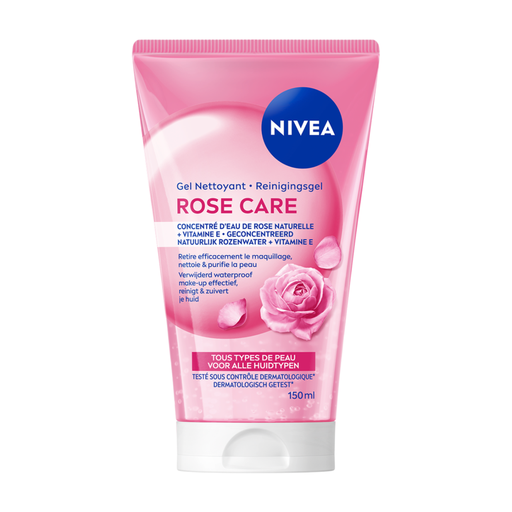
Why it suits this profile: This 150 ml gel is designed for the face and states that it removes make-up, cleanses the skin and respects its natural pH level.
The product description explicitly mentions the face and make-up, making it less likely that you’ll confuse this gel with a general shower gel. However, check the listed fragrance substances if you have sensitive skin.
150 ml capacity; glycerine, rose water and vitamin E are included in the ingredients list; dermatologically tested according to the product information.
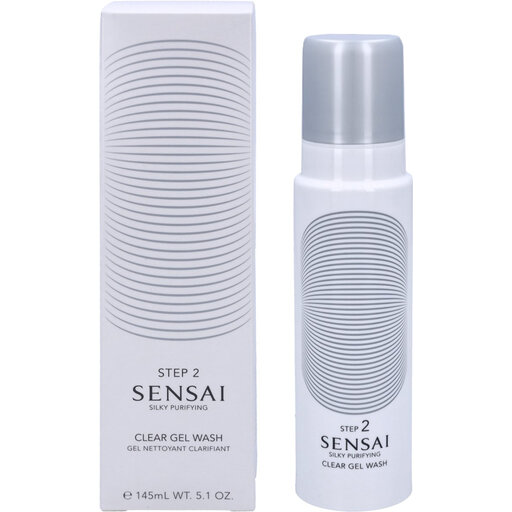
Why it suits this profile: The gel texture, pump bottle and 145 ml capacity are well suited to an established skincare routine where packaging and ease of use matter.
The product information specifies that this is a facial cleanser and states a 12-month period after opening. However, the ingredients list does contain perfume and limonene.
Pump bottle; gel formula; 145 ml; suitable for all skin types according to the product description.
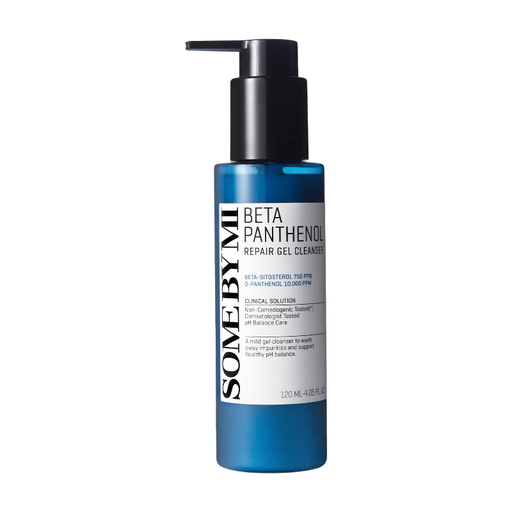
Why it suits this profile: According to the product description, the 120 ml formula is designed for everyday cleansing with a low pH and contains panthenol, glycerine and a range of amino acids.
The pH level and facial use are clearly described. The formula contains no listed perfume component, but always check the current packaging and ingredients list.
120 ml capacity; low-pH formula according to the product description; panthenol and glycerine are included in the ingredients list.
We’ve put together a complete, up-to-date list of products that fully meet these strict selection criteria and the applicable European safety regulations.
If you have dry or sensitive skin, cleansing once in the evening may sometimes be sufficient; oily or combination skin may respond well to cleansing in the morning and evening. Stop using the product if irritation occurs and follow the safety information on the packaging.
That depends on the formula and how your skin reacts. Products intended for everyday use according to the packaging can generally be used in the morning and/or evening. If you have sensitive skin, start by using it once a day and watch out for tightness, redness or a burning sensation.
Many gels remove light make-up and everyday impurities. Waterproof eye make-up and long-lasting cosmetics may require a separate remover. Do not rub hard, and rinse immediately with water if the product gets into your eyes.
A 100 to 200 ml bottle often lasts from several weeks to several months. This depends on how much you use each time and whether you use the gel once or twice a day. Also check the stated period after opening, as this varies from product to product.
